28May

The Bilingual Brain: Unlocking Cognitive Power in US Classrooms

In today’s increasingly interconnected world, the presence of diverse languages and cultures in our communities and schools is a powerful asset. As US schools welcome international teachers, they also often embrace a richer linguistic environment. Beyond simply gaining a new language for communication, learning in bilingual settings – whether as an English Language Learner (ELL), studying a foreign language, or simply being exposed to multiple languages in the classroom – offers profound benefits that actually reshape the brain and boost cognitive skills.

Let’s delve into the specific neurological and cognitive advantages of bilingualism and explore the unique role international teachers play in unlocking this potential for students in US schools.

The Cognitive Benefits of Bilingualism

Research consistently shows that the bilingual experience does much more than expand vocabulary. The constant mental juggling required to manage two or more language systems strengthens critical cognitive functions, often referred to as “executive functions.”

  • Enhanced Executive Function: Bilingual individuals often demonstrate superior skills in:
    • Attention and Focus: The brain learns to prioritize information in one language while suppressing the other, improving the ability to focus and ignore distractions. This is supported by studies showing that bilinguals exhibit better attentional control, as noted by Bialystok, Craik, and Luk (2012) [1] and Green and Abutalebi (2013) [2].
    • Task Switching: Effortlessly moving between languages trains the brain to switch between tasks more efficiently (Prior & MacWhinney, 2010) [3].
    • Problem-Solving: Managing two language systems requires flexible thinking, which translates into better problem-solving abilities across various domains
  • Improved Metalinguistic Awareness: Bilinguals tend to have a deeper understanding of how language works – grammar, sentence structure, and word meanings – because they have multiple linguistic frameworks for comparison (Bialystok, 2001) [4].
  • Boosted Creativity: Exposure to different linguistic structures and cultural perspectives can foster more divergent thinking and creativity (Leikin, 2011) [5].
  • Delayed Cognitive Decline: Studies increasingly suggest that the consistent mental workout of navigating two languages can help delay the onset of age-related cognitive decline and conditions like dementia later in life. (Bialystok, Craik, & Freedman, 2007) [6]; (ScienceDaily, 2024, October 22) [7].

A Neurological Powerhouse

These cognitive advantages are rooted in tangible changes within the brain itself. Learning and using multiple languages can lead to:

  • Increased Grey Matter Density: Areas of the brain associated with language processing and executive control show higher density in bilingual individuals (Mechelli et al., 2004) [8].
  • Stronger Neural Connections: Recent research, demonstrated that bilingual individuals exhibit stronger whole-brain connectivity compared to monolinguals. This effect was particularly pronounced between the cerebellum and the left frontal cortex, and it was found to be stronger in those who learned a second language at a younger age. This suggests that early bilingualism promotes a more efficient brain organization in terms of functional connectivity. (Zeus Gracia Tabuenca and colleagues, 2024) [9]
  • Greater Brain Plasticity: The continuous learning and adaptation inherent in bilingualism promote neuroplasticity, the brain’s ability to reorganize and form new connections (Bak & Alladi, 2015) [10].

Bilingual Learning with International Teachers

This is where international teachers become invaluable. They don’t just bring subject matter expertise; they bring a linguistic and cultural richness that can actively foster the bilingual brain advantage in their students.

International teachers often provide authentic exposure to another language (whether they are teaching it or it is their native language), offering students real-world pronunciation, intonation, and usage. This immersive experience is crucial for language acquisition and can be particularly beneficial for developing accurate linguistic representations (Gass & Selinker, 2008) [11].

By sharing their culture, perspectives, and experiences, international teachers make language learning and cultural diversity come alive, motivating students and broadening their worldview. This exposure is vital for developing global competence in students.

They can naturally integrate elements of their native language or culture, making bilingualism visible and valued, benefiting both students who share that language and those learning a new one. This creates an inclusive environment that validates students’ linguistic backgrounds. (García. O,2009) [12].

For students in US schools, learning in an environment influenced by international teachers can mean:

  • Developing stronger cognitive skills beyond just language acquisition.
  • Gaining a deeper appreciation for different cultures and global perspectives.
  • Improving outcomes for English Language Learners by having empathetic and experienced educators.
  • Being better prepared for a future where global communication and cognitive flexibility are increasingly important.

The “bilingual brain advantage” is a powerful testament to the brain’s incredible adaptability. By promoting cognitive flexibility, enhancing executive functions, and physically reshaping neural networks, bilingualism offers lifelong benefits. International teachers, with their unique linguistic backgrounds and cultural insights, play a vital role in cultivating this advantage in US classrooms, enriching the learning experience and equipping students with cognitive skills essential for success in our diverse and interconnected world.

This blog was written by Global Workforce Development, powered by IAG, an organization dedicated to creating international job opportunities for professionals. 

References

[1] Bialystok, E., Craik, F. I. M., & Luk, G. (2012). Bilingualism: Consequences for mind and brain. Trends in Cognitive Sciences, 16(4), 236–242. https://doi.org/10.1016/j.tics.2012.03.001

[2] Green, D. W., & Abutalebi, J. (2013). Language control in bilinguals: The adaptive control hypothesis. Journal of Cognitive Psychology, 25(5), 560–571. https://pmc.ncbi.nlm.nih.gov/articles/PMC4095950/

[3] Prior, A., & MacWhinney, B. (2010). A computational model of bilingual lexical access. Bilingualism: Language and Cognition, 13(2), 173–193. https://www.cambridge.org/core/journals/bilingualism-language-and-cognition/article/abs/bilingual-advantage-in-task-switching/CC68F518019E8D5471D0B0381AC945E7

[4] Bialystok, E. (2001). Bilingualism in development: Language, literacy, and cognition. Cambridge University Press. https://psycnet.apa.org/record/2001-01047-000

[5] Leikin, M. (2011). The creative thinking of bilingual children. International Journal of Bilingual Education and Bilingualism, 14(1), 9–28. https://journals.sagepub.com/doi/abs/10.1177/1367006912438300

[6] Bialystok, E., Craik, F. I. M., & Freedman, M. (2007). Bilingualism as a protection against the onset of symptoms of dementia. Neuropsychologia, 45(2), 459–464. https://pubmed.ncbi.nlm.nih.gov/17125807/

[7] ScienceDaily. (2024, October 22). Bilingualism may maintain protection against Alzheimer’s. ScienceDaily. https://www.sciencedaily.com/releases/2024/10/241022154131.htm

[8] Mechelli, A., Crinion, J. T., Long, U., Friston, K. J., Ashburner, A., Price, C. J., & Green, D. W. (2004). Structural plasticity in the bilingual brain. Nature, 431(7006), 757.

https://www.researchgate.net/publication/8232283_Neurolinguistics_Structural_plasticity_in_the_bilingual_brain

[9] Gracia-Tabuenca, Z., Barbeau, E. B., Kousaie, S., Chen, J.-K., Chai, X., & Klein, D. (2024). Enhanced efficiency in the bilingual brain through the inter-hemispheric cortico-cerebellar pathway in early second language acquisition. Communications Biology, 7(1), 1269. https://www.nature.com/articles/s42003-024-06965-1

[10] Bak, T. H., & Alladi, S. (2015). Bilingualism and neuroplasticity. Current Opinion in Neurology, 28(6), 598–602.

[11] Gass, S. M., & Selinker, L. (2008). Second language acquisition: An introductory course (3rd ed.). Lawrence Erlbaum Associates. https://bpb-us-e2.wpmucdn.com/websites.umass.edu/dist/c/2494/files/2015/08/Gass.Second-Language-Acquisition.pdf

[12] García, O. (2009). Bilingual education in the 21st century: A global perspective. Wiley-Blackwell. https://www.wiley.com/en-us/Bilingual+Education+in+the+21st+Century%3A+A+Global+Perspective-p-9781444359787

13May

IAG Teacher Experiences: Lester’s incredible journey from Honduras to Texas

At International Alliance Group (IAG), we’re proud to connect passionate educators from around the world with rewarding opportunities in the United States.

Today, we’re thrilled to share the experience of Lester Duarte, an Honduran international teacher who is making a significant impact as a High School ESL teacher in San Antonio, Texas.

Now, in his third year, Lester’s decision to teach in the US was driven by a powerful combination of professional ambition and a desire to connect cultures.

He sought to gain invaluable professional experience, make a positive difference in the lives of his students and colleagues, and share the richness of his Honduran culture through his teaching.

“My journey as an international teacher has been deeply transformative. I feel like I’ve grown so much personally, and my teaching skills have really sharpened. This experience has also opened doors to diverse career opportunities, enriching both my professional and personal life.

“I really want to emphasize the unwavering support I’ve received throughout my entire journey, which truly shows IAG’s commitment to its teachers.They have always supported me throughout my journey. I can only say thank you.”

Lester’s story powerfully exemplifies the positive impact international teachers have on US classrooms and the profound personal and professional growth they can achieve. His dedication highlights the rewarding experiences awaiting educators who choose this incredible journey.

Stay tuned for more inspiring stories from IAG teachers who are making a difference in schools across the United States!

This blog was written by Global Workforce Development, powered by IAG, an organization dedicated to creating international job opportunities for professionals. 

28Apr

A Teacher’s Journey: From Vocation to the Joy of Impacting Lives

I am a Mexican teacher, and through my experience teaching in the United States, I want to share what led me to this exciting career. From a young age, I always believed that education is one of the most effective ways to contribute to our country. I was inspired by the desire to help shape future adults who are good citizens, responsible, and aware of their roles in society. This vocation is not only based on the transmission of knowledge but also on the desire to see my students develop academically and discover the world around them. 

The joy of seeing a child understand something new is indescribable. Every small advancement feels like a triumph, not just for them, but for me as their guide. Teaching is not just a job; it’s an opportunity to impact lives and help students prepare to face the challenges of the world. In my classroom, I strive to create an environment where every student feels valued and motivated to learn, and that is what I enjoy most about this profession. 

Cultural Exchange: A Personal and Professional Challenge 

Since I decided to take the leap and teach in the United States, I knew I was on the path to a significant personal challenge. This step involved not just a geographical change but also an opportunity to immerse myself in a new world. The cultural exchange has been enriching, not only for me but also for my students. I have been fortunate to encounter diverse cultures and educational systems, which has broadened my perspective as an educator and as a human being. 

Learning from other cultures has allowed me to understand education in a more global and human way. I have seen how each educational system has its own approach and values, leading me to recognize that human development knows no borders. Every child brings a unique cultural background, and by sharing experiences with them, I realize that the essence of education is universal: we all want to learn, grow, and be understood. 

The Importance of Representation 

Being a Mexican teacher in the United States has allowed me to connect with my students in a way that transcends the classroom. I can share not only my knowledge but also my experiences and my culture. This creates an inclusive environment where everyone can learn from one another, celebrating our differences while working towards a common goal: learning and growth. 

I realized that my representation not only benefits Spanish-speaking children but also enriches the educational experience for all students in the classroom. Diversity, equity, and inclusion are fundamental in education as they foster an environment where every student feels valued and respected. This not only enhances academic performance but also contributes to the social and emotional development of the students. 

Benefits of Diversity, Equity, and Inclusion 

Diversity in the classroom offers a rich variety of perspectives and approaches, stimulating creativity and critical thinking. When students interact with peers from different backgrounds, they learn to appreciate and understand various cultures, promoting empathy and respect. This inclusive environment not only prepares students for an increasingly globalized world but also teaches them essential interpersonal skills for their future. 

For me, as an educator, diversity has been a constant source of learning. Every day, I encounter new ideas and experiences that challenge and enrich me. I have learned to be more adaptable and to adjust my teaching methods to meet the needs of all my students. This flexibility not only improves my professional practice but also makes me a better role model. 

The Impact of Learning from Other Cultures 

One of the most valuable lessons I’ve learned on this journey is that education should be a bridge between cultures, not a barrier. My interactions with students from diverse backgrounds have enriched my teaching and broadened my worldview. Every shared story, every cultural tradition I’ve been fortunate to learn about, has contributed to my growth as an educator. This has allowed me to adapt my teaching methods to make them more inclusive and relevant. 

Seeing my students confront a new environment while I show them that their culture has immense value has made me reflect on the role every teacher plays in their students’ lives. Education is not just a series of academic lessons; it is a journey of human discovery that transcends geographical and cultural boundaries. 

Conclusion 

In summary, being a teacher in the United States has been a journey of personal and professional learning and growth. The sense of service that motivated me to become an educator remains my guiding principle. I am convinced that education is a powerful tool for transforming lives and societies. By opening the doors to cultural diversity and the exchange of ideas, we can prepare our students to face the world with confidence and knowledge. 

If you are considering the possibility of teaching abroad, I encourage you to take the step. The experience you will gain will be invaluable, and every day you will have the opportunity to impact the lives of young people and contribute to a better future. Education is the path to a more just and understanding world! Apply here today

This blog was written by Global Workforce Development, powered by IAG, an organization dedicated to creating international job opportunities for professionals.

22Apr

Building stability in California Schools with International Teachers

California school districts face unique staffing challenges. When considering solutions, some might ask: Will international teachers stay long enough to truly integrate and impact our students? Is the process of bringing them here a worthwhile investment for California’s specific needs? Can they effectively navigate the California education system?

With strategic recruitment and robust support tailored to California’s context, international teachers can provide the stability, dedication, and fresh perspectives that California schools and districts need for long-term success.

Here’s how California districts can overcome these concerns and cultivate lasting relationships with international teaching professionals:

1. Retention: International Teachers are committed

Teacher retention is a critical issue in California. While districts understandably worry about turnover, international educators offer a unique pathway to long-term stability within the state.

Why International Teachers choose to stay in California:

  • Embracing Opportunity in the Golden State: For many, teaching in California represents a significant professional and personal aspiration. They arrive eager to contribute and build a lasting career here.
  • Visa Stability: Many international educator programs involve multi-year contracts, ensuring a commitment to California districts for a defined period, providing valuable consistency.
  • Personal Investment in California Life: International teachers often establish deep roots in their communities, making them less inclined to move between districts within California or leave the state altogether.

2. The hiring process: A worthwhile investment for California’s future

While the initial hiring of international teachers might seem complex, with the right support, it becomes an efficient and effective strategy for addressing California’s critical staffing shortages.

Key Considerations for California Districts:

  • Specialized Agency Support: Recruitment agencies experienced with California regulations handle the intricacies of visas, California teaching credentials, and state-specific compliance, allowing your district to focus on welcoming and integrating the new educator.
  • Early Engagement for California Classrooms: Initiating the recruitment process early is crucial for California districts to secure highly qualified educators before the competitive school year begins.
  • Immediate Impact on California Students: Once in California classrooms, international educators fill crucial vacancies, alleviate pressure on existing staff, and foster a more stable learning environment for California students.

3. Proper Preparation: International Teachers ready for California Classrooms

A common concern is whether international educators are adequately prepared for the specific demands of the California education system. In reality, these professionals undergo thorough vetting and preparation before entering California classrooms.

How International Educators Prepare for California:

  • Pre-Departure and Arrival Training: Many agencies offer specific cultural orientation and professional development tailored to the U.S. education system, including insights into California’s standards and practices.
  • Strong Qualifications: International educators often possess advanced degrees and bring valuable years of teaching experience in their subject areas, aligning with California’s emphasis on qualified instructors.
  • Adaptability for California’s Diverse Environment: The experience of moving to a new country fosters resilience and a growth mindset – qualities essential for navigating the diverse student populations and educational environments within California.

4. Building a supportive environment: Key to retention in California

While international teachers arrive prepared, California Districts play a crucial role in ensuring they feel welcomed, supported, and integrated into the unique context of California schools and communities.

Best Practices for California Districts:

  • Mentorship Programs Tailored to California: Pair international educators with experienced California colleagues who understand the state’s educational landscape and can provide guidance on local practices and resources.
  • Open Communication Channels: Encourage regular check-ins to address any concerns specific to adapting to California and to celebrate successes within the California school context.
  • Recognition of Contributions to California Schools: Acknowledge the unique contributions of international educators to the school culture and the academic growth of California students.

5. International Teachers: a stable future

Hiring international educators is more than just filling immediate vacancies in California schools – it’s a strategic investment in the long-term stability and enrichment of your district and the educational experience of California students.

With the right support and understanding of the California context, these dedicated professionals become integral members of your team, contributing to student success and school improvement for years to come in the Golden State.

Long-Term Benefits for California Districts:

  • Consistency in Hard-to-Staff Areas: International educators provide much-needed continuity in critical subject areas and underserved regions within California, reducing the disruptions caused by frequent turnover.
  • Enriching California Classrooms with Global Expertise: Their diverse experiences and perspectives enrich the curriculum and foster global awareness among California students, preparing them for an increasingly interconnected world.
  • Strengthening California Communities: International educators often develop strong ties to their California schools and local communities, further solidifying their commitment to the state and its students.

Understandably, districts might have questions about the long-term commitment and readiness of international educators. However, at International Alliance Group, we believe these concerns can be met with confidence through strategic partnerships. We empower districts to proactively plan and cultivate welcoming school environments, fostering enduring relationships with international teachers who bring not just stability, but a genuine passion and high level of expertise to your classrooms.

From our perspective at International Alliance Group, the enthusiasm and dedication of international teachers are clear. By working together, we can forge strong connections that enrich schools and uplift entire communities for years to come.

Ready to solve your staffing challenges and enrich your classrooms with dedicated, qualified international educators? Partner with us today and build long-term stability for your district. Contact us to learn how we can help. Register here today!

This blog was written by Global Workforce Development, powered by IAG, an organization dedicated to creating international job opportunities for professionals. 

22Apr

Easing the Transition: Essential Tips for J-1 Teachers in the US

As a Mexican educator currently teaching in the U.S. on a J-1 visa, I understand the excitement and challenges that accompany this transformative journey. While teaching in a new country is exhilarating, adjusting to a different culture can present unexpected hurdles. In this blog, I’ll share my personal experiences and tips for navigating culture shock, managing homesickness, and fully embracing your new surroundings. 

Understanding Culture Shock 

Culture shock is a common experience for anyone relocating to a new country. It often brings feelings of confusion, frustration, and anxiety as you encounter different customs, social norms, and daily routines. The stages of culture shock typically include: 

  1. Honeymoon Phase: Everything feels exciting and new. 
  1. Negotiation Phase: Frustration and homesickness set in as the realities of daily life hit. 
  1. Adjustment Phase: You start to find your footing and adapt to the new environment. 
  1. Mastery Phase: You feel comfortable and confident in your new surroundings. 

Recognizing these stages can help you understand that your feelings are normal and part of the adjustment process. 

Managing Homesickness 

Homesickness can be one of the toughest challenges. Here are some strategies I found helpful: 

Stay Connected 

Leverage technology to stay in touch with family and friends. Regular video calls can bridge the gap and help you feel connected to home. I set up a weekly video call with my family, and it became something I looked forward to each week. 

Create a Comfort Zone 

Bring a piece of home with you. This could be a favorite book, photos, or even some traditional foods. When I first arrived, I cooked my grandmother’s recipes, which reminded me of home and introduced my new friends to Mexican cuisine. I also sought out local grocery stores that carried my favorite ingredients; finding fresh tortillas or spices made a huge difference—it felt like a little piece of home every time I cooked. 

Talk It Out 

Coping with homesickness is easier when you talk about your feelings with friends and colleagues. Sharing your experiences and emotions can provide relief and help you realize that you’re not alone. I found that my colleagues, many of whom were also international teachers, were incredibly supportive. We would gather after school to share stories and frustrations, creating a sense of community. 

Connecting with Local Communities 

Building a support network is vital for overcoming culture shock. Here’s how to get started: 

Join Local Groups 

Seek out local cultural or expatriate groups to build your network. You can find these groups on social media by searching for keywords like “expats,” “international teachers,” or “cultural exchange” followed by your city. Local community centers often host events and programs for newcomers, providing valuable resources and a welcoming environment. If you’re near a college or university, check out international student associations or cultural clubs that may welcome community members. 

Attend Local Events 

Participating in community events, fairs, and festivals not only helps you learn more about American culture but also gives you the chance to make new friends. I attended a local farmer’s market and struck up conversations with vendors and visitors, which helped me feel more connected. 

Volunteer in Your School District 

Volunteering within your school district is a fantastic way to engage with the community and make a positive impact. Look for opportunities to assist in school events, such as parent-teacher conferences, cultural fairs, or after-school programs. Many schools appreciate the help of teachers in organizing activities or tutoring students. Additionally, consider joining committees or clubs that focus on cultural exchange, diversity initiatives, or community outreach. This involvement not only allows you to contribute but also helps you connect with fellow educators and students, fostering a sense of belonging. 

Embracing New Experiences 

Adjusting to a new culture also involves embracing change. Here are some tips to help you do just that: 

Be Open-Minded 

Approach new experiences with curiosity rather than judgment. Trying new foods, participating in local traditions, or attending cultural events can enrich your understanding of the U.S. I remember my first Thanksgiving—though it was different from celebrations back home, I cherished the opportunity to share in this unique American tradition. 

Set Realistic Expectations 

Remember that adjusting takes time. Allow yourself to experience ups and downs without pressure. Celebrate small victories, like navigating the public transport system or making a new friend. 

Coping with culture shock is an integral part of your journey as an international teacher in the U.S. By managing homesickness, connecting with local communities, and embracing new experiences, you can turn challenges into opportunities for growth. Remember, you’re not alone in this journey; many teachers have walked this path and emerged stronger. 

I hope my insights inspire you to take this incredible leap and experience the enriching adventure of being an international teacher. Each challenge faced is a step toward becoming a more resilient and culturally aware educator. Embrace the experience, and you might find that the world feels a little smaller and more connected than ever before. Happy teaching! 

This blog was written by Global Workforce Development, powered by IAG, an organization dedicated to creating international job opportunities for professionals. 

14Apr

Beyond borders: Nad’s inspiring journey as a U.S. Teacher

Have you ever felt the call to explore new horizons and bring your passion for teaching to a global stage? The story of Nad, a Brazilian teacher, is an inspiring testament to how dreams can cross borders and become transformative realities. After 16 years of dedication in her home country, Nad sought a challenge that would enrich her career and personal life.

IAG Teacher experience

My name is Nad, I am Brazilian and I am currently a teacher at an elementary school here in the United States, in the city of Phoenix, in the state of Arizona. 

After teaching for 16 consecutive years, I felt that I needed a new challenge. I was looking for an opportunity that would allow me to grow professionally and, at the same time, enrich my experience as an educator. That was when I discovered IAG – International Alliance Group.

I signed up for the program, went through the training, participated in the interviews and was selected to come work here. Today, I am in my third-year teaching English, Writing, Math, Science and Social Studies to the fifth grade of elementary school here in the United States and this has been an extremely rewarding experience, both professionally and personally.

The most special thing is that I did not go through this journey alone: my family came with me, and my husband and children were also able to share in this transformative experience.

Nad’s story is a powerful reminder that dreams know no borders. Her courage in seeking new horizons and her dedication to teaching in a culturally diverse environment are a testament to the transformative impact international teachers can have. If you’re inspired by her journey and ready to explore your own opportunities in teaching in the United States, we invite you to take the first step and discover how IAG can open doors to an unforgettable educational adventure. Sign up today!

This blog was written by Global Workforce Development, powered by IAG, an organization dedicated to creating international job opportunities for professionals.

10Apr

Building Inclusive Classrooms with International Teachers

In recent years, cultural diversity in U.S. classrooms has increased dramatically, and international teachers play a crucial role in this shift. Bringing professionals from around the world into U.S. schools not only enriches the educational environment but also helps create a more inclusive, empathetic, and dynamic learning space for students. As an international teacher currently working in the U.S., I want to share how the cultural and pedagogical diversity we bring is transforming education in America. 

1. Diverse Perspectives: An Invaluable Asset in the Classroom 

One of the most valuable aspects of having international teachers in U.S. schools is the opportunity to incorporate a variety of cultural perspectives into the classroom. Students, especially in diverse urban areas, benefit from learning not only from their teachers but also from the different experiences and backgrounds those teachers bring with them. From the way we approach historical topics to how we structure lessons and manage day-to-day interactions, international perspectives significantly enrich the learning process. 

Impact on students: 

  • Globalized learning: Students get a window into the world outside the U.S., learning about different cultures, traditions, and educational approaches. This helps foster a global mindset and prepares them to be citizens of the world. 
  • Empathy building: By interacting with teachers from diverse backgrounds, students develop greater empathy for people from different cultures and learn to appreciate the diversity around them. 

2. Innovative Pedagogical Approaches 

Each teacher brings a unique set of skills and teaching methods influenced by the educational practices in their home country. International teachers often introduce pedagogical approaches that may be new or innovative within the U.S. education system, helping to transform the classroom into a more dynamic learning space. 

For example, some international teachers bring collaborative learning techniques, problem-based learning, or the use of technology that may not be as common in certain U.S. schools. Additionally, the differences in how we assess and motivate students often enhance the educational experience. 

Impact on students: 

  • Adaptability and flexibility: Students benefit from seeing how different teaching styles can lead to the same outcome—effective learning. They learn to be more adaptable and open to different ways of receiving information. 
  • Creativity and critical thinking: By implementing new methodologies, international teachers encourage critical thinking and creativity, motivating students to question and explore material in depth. 

3. Creating an Inclusive and Respectful Environment 

The U.S. classroom, especially in diverse communities, consists of students from various backgrounds, abilities, and experiences. As an international teacher, I’m not just a knowledge transmitter; I’m also a model for how to celebrate and respect diversity. Through everyday interactions, I strive to instill in my students the importance of inclusion, respect, and acceptance of differences. 

In this regard, international teachers play a crucial role in creating a space where all students—regardless of their race, ethnicity, religion, or socioeconomic background—feel valued and understood. 

Impact on students: 

  • Appreciation of diversity: International teachers help students understand that differences are not only inevitable but also valuable. 
  • A more inclusive classroom: By being a model of inclusion and respect, international teachers encourage students to build an environment where everyone can express themselves without fear of judgment, fostering collaboration and teamwork. 

4. Developing Global Skills for the Future 

We live in an increasingly globalized world, and it’s essential for U.S. students to prepare for interactions with people from different cultures. International teachers are playing a key role in this process, as their experiences and knowledge help students develop essential skills for their future. 

For example, teaching students to be aware of cultural differences, communicate effectively in diverse environments, and value others’ perspectives are critical skills for the 21st century. By providing these lessons beyond the classroom, international teachers are contributing to the development of future leaders, professionals, and global citizens. 

Impact on students: 

  • Preparation for the real world: Students develop intercultural competencies and global communication skills, preparing them to interact in a diverse and multicultural workforce. 
  • Valuing global teamwork: Surrounded by diverse perspectives, students learn to collaborate with people from different backgrounds, a skill that is increasingly sought after in today’s global job market. 

5. The Power of International Experience 

International teachers, having taught in different countries and educational contexts, often bring a unique perspective on the challenges and opportunities that exist in the classroom. This experience allows us to see things from a different angle, always looking for innovative solutions to improve the learning experience and adapt to students’ needs. 

Additionally, international teachers are often better equipped to handle diverse learning styles, having worked with students from a range of socioeconomic, linguistic, and cultural backgrounds, which makes us even more effective in diverse classrooms. 

Impact on students: 

  • Resilience and adaptability: Students learn from their teachers how to be resilient and adapt to new environments, giving them tools to tackle challenges in an ever-changing world. 
  • Role models of perseverance: International teachers often serve as examples of perseverance and adaptability, inspiring students to overcome barriers and achieve their goals. 

Diversity in the classroom not only enriches the learning experience but also prepares students for a more inclusive, collaborative, and global future. International teachers play a vital role in this process, bringing unique perspectives and innovative teaching approaches that benefit both students and the U.S. education system as a whole. 

If you are an international teacher considering teaching in the United States, know that your presence in the classroom will be valuable not just for your academic expertise, but also for the cultural richness and unique experiences you bring. Together, we can help create a learning environment that is more inclusive, respectful, and diverse for all students. 

This blog was written by Global Workforce Development, powered by IAG, an organization dedicated to creating international job opportunities for professionals.

07Apr

From Nicaragua to Lansing: Karolina’s Journey and the Transformative Power of International Teachers

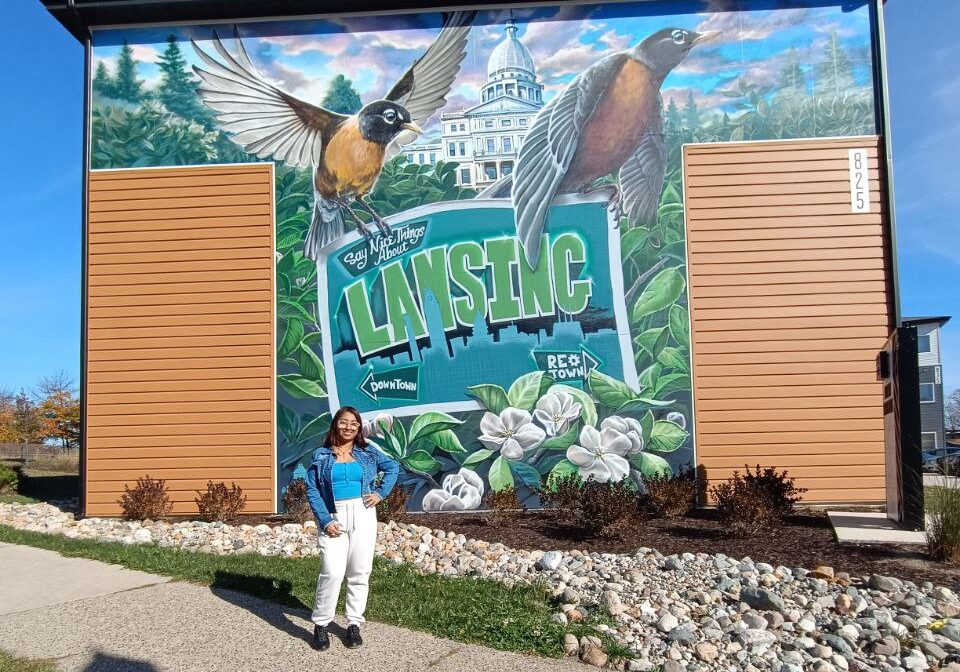
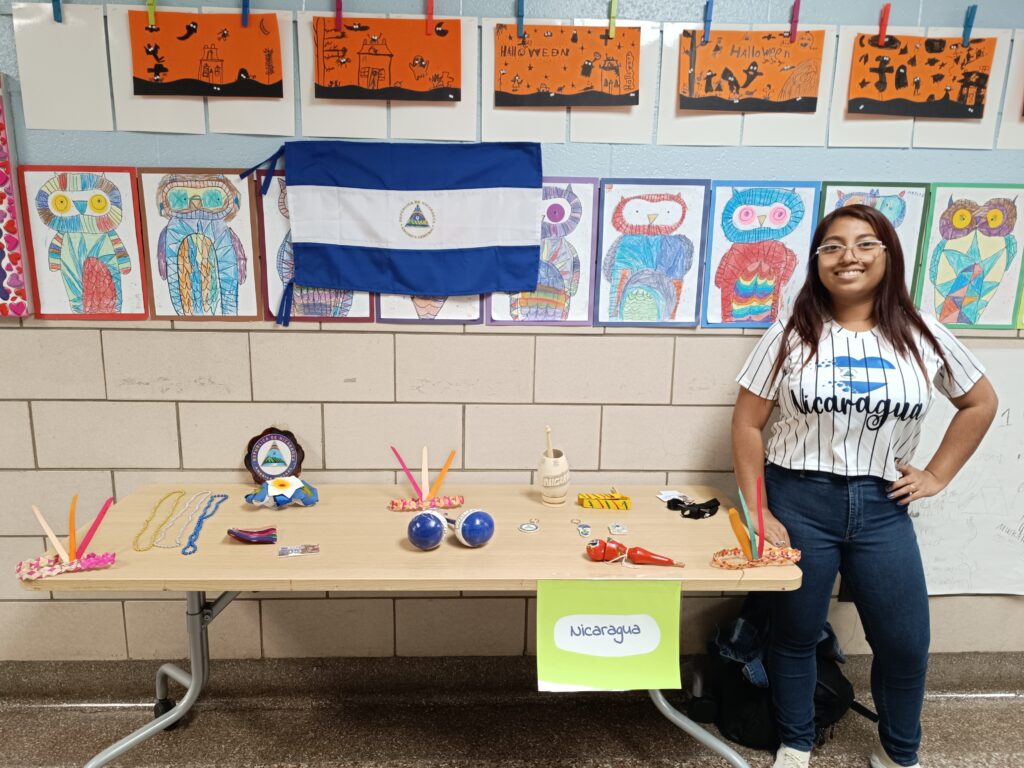
The rich tapestry of U.S. classrooms is increasingly woven with the threads of diverse international experiences. International teachers bring not only vital skills and expertise but also unique cultural perspectives that enrich the educational landscape. Today, we share the inspiring story of Karolina Bonilla, a dedicated educator from Managua, Nicaragua, who found her calling in Lansing, Michigan, through International Alliance Group (IAG). Her journey highlights the profound impact that international teachers have on U.S. schools and the invaluable role IAG plays in facilitating these life-changing experiences.

Karolina’s Story

Karolina Bonilla, a passionate 4th-grade teacher, embarked on a remarkable adventure when she joined the Spanish Immersion Program at Lewton School in Lansing, Michigan. Driven by a desire for new challenges and a thirst to immerse herself in a different culture, Karolina sought to expand her horizons beyond her native Managua, Nicaragua.

“I wanted to teach in the USA to have new challenges and to learn a new culture,” Karolina shares. “My IAG experience has been great; I wouldn’t have had this opportunity without them.”

Karolina’s experience underscores the transformative power of international exchange in education. She not only brings her pedagogical expertise to her students but also serves as a cultural bridge, fostering understanding and appreciation for diversity within her classroom and the broader school community. Her ability to connect with students through a Spanish Immersion program shows the importance of bilingual teachers in todays classrooms.

From navigating the complexities of visa processes to providing ongoing support and guidance, IAG ensured a smooth transition for Karolina, allowing her to focus on what she does best: teaching.

The Impact of International Teachers

Karolina’s story is a testament to the significant contributions international teachers make in U.S. schools. They:

  • Enrich Cultural Understanding: International teachers bring diverse perspectives that broaden students’ horizons and promote global awareness.
  • Bring Expertise in High-Demand Fields International teachers offer specialized knowledge and certifications in key subjects. This allows schools to strengthen academic programs like SPED,STEM and particularly bilingual education, where they provide authentic linguistic and cultural immersion.
  • Enhance Language Proficiency: Bilingual teachers provide essential support for English Language Learners and strengthen language programs.
  • Foster Global Competence: They prepare students to thrive in an increasingly interconnected world.

Karolina’s story is a reminder of the profound impact that dedicated educators can have, transcending borders and building bridges of understanding.

If you’re an international teacher seeking new challenges or a school district looking to enrich your classrooms, International Alliance Group can help you realize your goals. Are you an international teacher ready to embark on a life-changing journey? Or a school district looking to enrich your classrooms with global talent? Contact us today to learn more.

Form for teachers here

Form for School Districts here.

This blog was written by Global Workforce Development, powered by IAG, an organization dedicated to creating international job opportunities for professionals. 

07Apr

How International Teachers Can Shape the Future of U.S. Schools 

As an international teacher in the United States, I’ve experienced firsthand how professional development, leadership opportunities, and a supportive school district can empower educators to make a profound impact in the classroom. My journey, from my first year in a U.S. school to taking on multiple leadership roles, demonstrates how international teachers, with the right support, can thrive and lead in the U.S. educational system. 

Throughout my time as a 7th and 8th grade math teacher, I took on several leadership roles simultaneously, and each experience has contributed to my growth as an educator and leader. Today, I want to share how international teachers, like myself, can not only adapt but also lead and transform educational practices in U.S. schools. 

1. My First Year: Learning and Growing with District Support 

When I first arrived in the U.S. as an international teacher, I was excited but also a bit apprehensive about adjusting to a new educational system. As a 7th and 8th grade math teacher, I quickly realized there would be a learning curve, but I found that the district was deeply committed to my success. 

I was supported through a well-structured induction program that included professional development, as well as mentorship from my school principal and an instructional coach. This mentorship was crucial in helping me develop a strong foundation in U.S. teaching practices, as well as in adapting my instructional strategies to meet the needs of my students. While balancing my teaching responsibilities, I received ongoing feedback and guidance that allowed me to refine my methods, grow in confidence, and effectively engage my diverse student population. 

The combination of district support and mentorship allowed me to become a more effective teacher and laid the groundwork for my future leadership roles. 

2. My First Leadership Opportunity: English Language Development Coordinator 

Growing up as an English Language Learner (ELL) myself, I understood the unique challenges students face when learning a second language. This personal experience gave me a better perspective on language acquisition, which proved invaluable when I was offered the role of English Language Development (ELD) Coordinator

As a full-time 7th and 8th grade math teacher, I took on this leadership responsibility, helping ensure our ELL students received the appropriate support to succeed academically. The district provided training through the Department of Education and certified me in ELD strategies, which allowed me to work closely with teachers to implement effective language acquisition programs. 

This role also gave me the opportunity to advocate for ELL students, creating strategies to enhance their learning experience while also offering guidance to other teachers on how to better support these students in the classroom. As someone who had navigated the ELL experience myself, I was able to bring empathy, expertise, and practical approaches to my colleagues, making a meaningful impact both in the classroom and across the school. 

3. Driving Student Achievement: Leading School Testing and Data-Driven Improvement 

Alongside my teaching duties, I was also appointed School Testing Coordinator, a role that involved ensuring our school met state and district testing requirements. Balancing this responsibility with my math teaching duties was challenging but also incredibly rewarding. 

In this position, I not only managed the logistics of standardized testing but also facilitated data analysis sessions with teachers, administrators, and instructional staff. We reviewed student achievement data, identified areas for improvement, and had conversations about how to adjust instruction and create School Improvement Plans based on the data. 

By working with over 30 teachers to interpret and act on testing data, I was able to lead school-wide efforts to improve student performance, particularly in preparing students for state assessments. This role was an important part of my leadership journey, as it reinforced my belief in the power of data to drive educational decision-making and improve outcomes. 

4. Fostering Collaboration: Leading Multi-Tiered Support and Targeted Interventions 

One of the most impactful roles I took on was being part of the Multi-Tiered Systems of Support (MTSS) team. In this capacity, I worked collaboratively with administrators, counselors, and other educators to ensure that students received the appropriate level of support based on their individual needs. 

As part of the MTSS team, I contributed to identifying students who were struggling academically, behaviorally, or socially and helped design interventions tailored to meet those needs. This included organizing and analyzing data from both academic performance and behavior assessments to ensure that students were getting the right kind of support—whether that meant additional instructional time, social-emotional support, or behavior interventions. 

By participating in MTSS, I saw the direct impact that targeted, tiered interventions can have on student success. I also learned how critical it is to approach each student as an individual, offering a range of supports to help them succeed. This experience deepened my belief in the power of data-driven decisions and collaboration in ensuring every student’s needs are met. 

5. Leading Professional Learning Communities (PLCs) 

As my leadership roles expanded, I had the opportunity to lead Professional Learning Communities (PLCs), which focused on vertical collaboration in math and reading. These initiatives were crucial in ensuring that our teaching strategies were aligned across grade levels, enabling students to build foundational skills year after year. 

In addition to teaching math, I led regular PLC meetings where teachers from various grade levels came together to share strategies, analyze student data, and collaborate on instructional methods. This experience helped me further develop my leadership skills while strengthening the professional community within our school. 

Leading these PLCs not only demonstrated the value of collaboration in improving student outcomes, but it also gave me the chance to model the kind of teamwork and continuous professional growth that I believe is essential for educational success. 

6. Becoming an Instructional Coach 

My most recent leadership role has been serving as an Instructional Coach on my campus. As a 7th and 8th grade math teacher, I worked closely with my colleagues to support them in refining their teaching practices, analyzing student data, and implementing best instructional practices. 

In this role, I provided one-on-one coaching sessions, facilitated professional development, and guided teachers through effective lesson planning and classroom management. Working as an instructional coach allowed me to leverage my experience as both a teacher and a leader, helping other educators grow while also improving my own teaching practices. 

Becoming an instructional coach was the culmination of years of hard work, training, and leadership experience. It further reinforced my belief that international teachers are not only capable of adapting to a new educational system, but that they can thrive and lead in it, ultimately making a profound impact on their schools. 

International Teachers as Leaders 

My journey, balancing the responsibilities of a full-time math teacher with leadership roles in ELD coordination, school testing, MTSS, PLCs, and instructional coaching, has shown me how international educators can rise to leadership positions and make a significant impact. With the right support, professional development, and opportunities, international teachers can grow into leaders who drive positive change within their schools. 

International teachers bring unique perspectives, experiences, and insights that are invaluable in U.S. schools. By becoming leaders in a variety of capacities—whether in instructional leadership, data-driven decision-making, or collaborative initiatives—international teachers can help shape the future of education in their schools and contribute to the academic success of their students. 

This blog was written by Global Workforce Development, powered by IAG, an organization dedicated to creating international job opportunities for professionals. 

05Apr

Key cultural aspects to consider when Teaching in the U.S.

If you’re an international teacher who has decided to take the exciting step of teaching in the United States, you may face several cultural challenges in the classroom. Differences in pedagogical expectations, student interactions, and behavioral norms can vary significantly from what you are accustomed to in your home country. In this blog, I’ll share some key cultural aspects that international teachers might encounter and offer tips on how to adapt and succeed in U.S. classrooms. 

1. Direct and Open Communication Style 

One of the most noticeable differences in U.S. classrooms is the communication style. Students and parents in the U.S. tend to be very open and direct in their interactions. Unlike some cultures where respect and formality are paramount, students in the U.S. may feel comfortable asking questions, expressing opinions, and even providing feedback to teachers. 

Tips for adapting: 

  • Encourage open communication. Create a classroom environment where students feel safe and comfortable to share their ideas and ask questions without fear of judgment. 
  • Listen actively. Show that you value their input, even if you don’t always agree with them. 
  • Be direct but respectful. Don’t hesitate to be clear and upfront about your expectations and explanations. Students appreciate transparency and clarity. 

2. Active Participation and Expectations of Independence 

In U.S. schools, there is a strong emphasis on active student participation in their learning process. Education in the U.S. focuses heavily on developing critical thinking, problem-solving, and collaborative skills. It is common to see group discussions, peer-to-peer learning, and a greater degree of student autonomy in the classroom. 

Tips for adapting: 

  • Incorporate interactive learning. Encourage group work, class discussions, and collaborative projects. Not only does this approach help with learning retention, but it also promotes social and communication skills. 
  • Foster independence. Students in the U.S. are expected to take more initiative in their learning. Provide tasks that challenge them to think critically, research, and make decisions on their own. 

3. Cultural Diversity and Inclusivity 

The U.S. is a highly diverse country, and this diversity is reflected in the classroom. Students come from a wide range of cultural, ethnic, and linguistic backgrounds. It’s important to understand that the experiences and perspectives of students may differ significantly from your own. 

Tips for adapting: 

  • Be aware of cultural differences. Take time to understand the traditions and values that may influence student behavior. Approach students with respect and avoid making assumptions based on stereotypes. 
  • Promote diversity in your teaching. Use educational materials that reflect a variety of cultures and perspectives. Celebrating diverse traditions and viewpoints within the classroom fosters a more inclusive environment. 
  • Support multilingual students. If you have students who speak languages other than English, be patient and offer additional resources or assistance to help them succeed. 

4. Parental Involvement in Education 

Parents in the U.S. are often very involved in their children’s education. There is a strong expectation for parents to attend school events, participate in meetings, and maintain regular communication with teachers. This partnership between home and school is considered crucial to student success. 

Tips for adapting: 

  • Encourage parental involvement. Be proactive in communicating with parents about their child’s progress, and invite them to participate in school activities or meetings. 
  • Be receptive to feedback. U.S. parents are often vocal about their children’s education and will likely share concerns or suggestions. Listen to their feedback and work collaboratively to address any challenges. 

5. Teacher Authority and Mutual Respect 

While students in the U.S. are more likely to be open and direct in their communication, they are also expected to respect the authority of the teacher. However, this respect is not purely hierarchical. Instead, it’s based on mutual respect, where teachers are seen as guides and facilitators of learning. 

Tips for adapting: 

  • Set clear expectations from the start. U.S. students value structure and clarity. Establish your classroom rules and expectations early and be consistent in enforcing them. 
  • Build positive relationships. Get to know your students, show interest in their well-being, and foster a supportive, respectful classroom atmosphere. 
  • Be firm but flexible. Students appreciate teachers who are fair and consistent but also understanding and adaptable when unique situations arise. 

6. Balance Between School and Personal Life 

In contrast to some cultures where schoolwork might dominate a student’s life, in the U.S., there is a strong emphasis on maintaining a balance between academics and personal time. Students are encouraged to participate in extracurricular activities such as sports, arts, and community events, and personal time is highly valued. 

Tips for adapting: 

  • Promote a well-rounded lifestyle. Encourage students to engage in activities outside the classroom that help them grow both academically and personally. 
  • Respect personal time. Recognize that students and their families place great importance on having time to recharge. Be mindful of the amount of homework or extracurricular pressure you place on students. 

Adapting to a new cultural environment can be challenging, but it is also a rewarding opportunity for both personal and professional growth. As an international teacher, you bring a unique perspective that can enrich the classroom while learning how to navigate U.S. cultural norms and expectations. The key is to remain open, flexible, and build positive relationships with both students and their families. 

In the end, teaching in the U.S. is a chance to make a meaningful impact on students’ lives while embarking on an educational adventure full of challenges and rewards. 

This blog was written by Global Workforce Development, powered by IAG, an organization dedicated to creating international job opportunities for professionals.