08May

The Power of “Mano Po” in the Science Lab: A Cultural Exchange Story

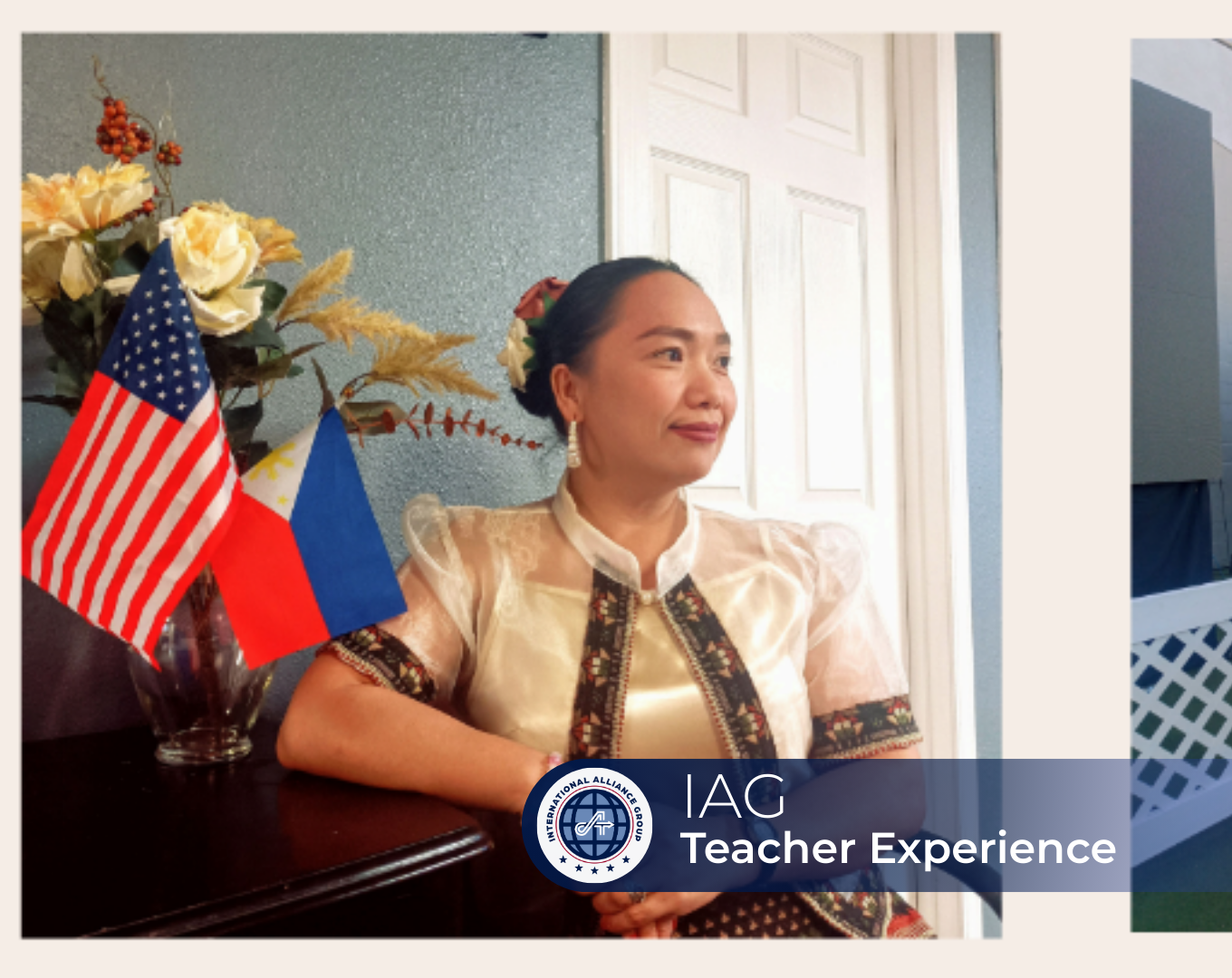
Science teachers will tell you that the best lessons happen when a student stops seeing the subject as a course and starts seeing it as a lens — a way of understanding everything around them. Jossel G. Navarro has spent a decade building that lens for students, first in the Philippines, and now in the hallways of a dual-language charter school in Bethlehem, Pennsylvania. 

A graduate of Philippine Normal University with a Bachelor of Secondary Education in General Science, Jossel carries remarkable credentials: a Licensed Professional Teacher in the Philippines, 45 graduate units in Educational Management, and a decade of experience that includes serving as both Values Education Department Head and School Guidance Designate under the Department of Education (DepEd). She now channels all of that experience into 7th and 8th grade science classrooms in one of Pennsylvania’s most linguistically rich school communities. 

A Calling Across Borders 

Jossel frames her journey not just as professional development, but as a matter of purpose. “I was inspired to apply with IAG because I wanted to grow beyond borders — to experience teaching in a multicultural classroom, share my Filipino values, and learn from diverse perspectives,” she explains. “I also believe this journey is part of God’s perfect timing, opening doors not only for professional growth but also for meaningful cultural exchange.” 

That sense of mission — rooted in both faith and professional conviction — gives Jossel an unusual steadiness in the face of the inevitable disorientation of starting over in a new country. 

Navigating a New Educational System 

Jossel is candid about the steepness of the learning curve. “Teaching in the U.S. requires adapting to diverse learning styles, instructional expectations, and technology-based approaches that differ from what I was used to in the Philippines. At first, it felt overwhelming — from lesson planning and assessments to understanding each student’s unique needs.” 

Add to that the weight of being far from family, and the early weeks were genuinely hard. But Jossel reframed every challenge through her core purpose: “Every challenge reminds me why I chose this path — to grow, to serve, and to continue fulfilling my purpose as an educator wherever God leads me.” 

“My students often tell me they enjoy coming to class because I make Science fun, relatable, and connected to their everyday lives.” 
— Jossel G. Navarro 

The Culture She Carries Into the Lab 

At the Lehigh Valley Dual Language Charter School — where most colleagues and students are Spanish-speaking — Jossel has added a third cultural layer to an already rich community. She has taught her students Filipino traditions of respect: the “Mano po” greeting, the terms “Ate” and “Kuya” for older peers, and simple Tagalog phrases that her students have enthusiastically adopted. 

One of my students greets me with ‘Mano po’ every morning when she arrives. Hearing them say, ‘Magaling ka pong guro, salamat po, gusto ko ang iyong buhok’ — these moments remind me how culture can create genuine, joyful connections in the classroom. 
— Jossel G. Navarro 

Beyond language, Jossel has imported a deeply student-centered pedagogy from her Philippine teaching practice: building relationships first, academics second. “I make sure every student feels seen, valued, and included,” she says. The impact has been visible even in just two months on the job: students who once struggled to meet expectations have come back to apologize and commit to doing better. Students who used to be sent to the assistant principal now give her a hug at dismissal. 

What a Decade of Leadership Brings to a Classroom 

Jossel’s background isn’t just that of a classroom teacher — it’s that of a school leader. Having served as Values Education Department Head and School Guidance Designate, she arrives in Pennsylvania with a systems-level understanding of what students need. That perspective shapes how she thinks about her contribution to Lehigh Valley. 

FEEDBACK FROM THE SCHOOL COMMUNITY 

  • Students feel seen, included, and never left behind 
  • Positive, high-engagement classroom environment noted by administrators 
  • Strong positive relationships built, even within first weeks 
  • Models respect, inclusivity, and care that aligns with school values 

A Bilingual School, a Trilingual Heart 

Working in a dual-language school has been one of the most joyful discoveries of Jossel’s American experience. “I’ve been touched by the kindness, friendliness, and openness” of her Spanish-speaking colleagues and students, she says. “I love the diversity here, where it doesn’t matter your appearance, skin color, or body type — everyone is treated with respect and inclusivity.” 

That ethos — radical welcome, daily acceptance — resonates deeply with the Filipino values of “kapwa” (shared identity) that Jossel has always carried with her. In Bethlehem, she has found a community that speaks her language, even when the words are different. 

Looking Forward 

Jossel’s goals for the coming years are anchored in the same core values she’s always led with. Professionally, she wants to refine her teaching strategies, support colleagues, and contribute to building inclusive classrooms across her school. Personally, she wants to deepen her roots in this new community while staying connected to the Filipino values that define her. 

Her message for district leaders is direct and compelling: “Cultural exchange enriches both students and educators by fostering understanding, empathy, and global awareness. International teachers can be catalysts for creating welcoming and culturally rich school environments that benefit the entire school community.” 

And to her community back home, she has a message of both pride and invitation: “No matter how far we go, we can make a difference, inspire others, and share our culture and values. I hope my journey encourages other teachers to embrace new opportunities and believe in themselves.” 

Let’s build a global classroom together. Join a community of districts dedicated to fostering mutual understanding and excellence through international teacher exchange. Reach out to learn more about our cultural programs.”
 

24Mar

Rhythms of Success: Eliderky Sanchez’s Cultural Exchange Journey in Arizona 

For Eliderky Sanchez Mercedes, the classroom is a space where language, culture, and academic excellence converge. Originally from the Dominican Republic, Eliderky has brought over a decade of expertise to Littleton Elementary District in Arizona, where she inspires 6th-grade students in English Language Arts (ELA)

A Foundation of Academic Mastery 

Eliderky arrived in the U.S. with a profound academic background, including a Master’s Degree in Applied Linguistics for Teaching English as a Foreign Language. With 12 years of teaching experience in her home country and certifications from institutions like Cambridge University and the National Writing Project, she represents the high caliber of international educators participating in this exchange. 

Her motivation for joining the IAG program was rooted in a passion for continuous learning and a desire to immerse herself in a multicultural environment where she could exchange innovative instructional strategies. 

Bringing the Spirit of the Caribbean  

Eliderky has transformed her Arizona classroom into a vibrant hub of cultural awareness. By sharing the traditions of the Dominican Republic, she has fostered a deeper global understanding among her students and colleagues: 

  • Music and Dance: She introduced her school community to the rhythmic heritage of merengue and bachata
  • Culinary History: Discussions about traditional dishes like mangú and sancocho sparked meaningful conversations about history and culture. 
  • Festivals: She organized interactive activities centered around Dominican Independence Day and Carnival

In return, Eliderky has embraced the unique cultural tapestry of Arizona, exploring Native American art and the vibrant Mexican influences found in local food and community events. 

Award-Winning Impact and Academic Growth 

The results of this cultural exchange are reflected in the outstanding achievements of her students. Under Eliderky’s guidance, her 6th-grade ELA students achieved first place in the district on the state assessment. This incredible success earned her the prestigious “Best 6th Grade Achievement of the Year” award in her district. 

Administrators and families have praised her dedication, noting her ability to foster effective academic conversations and create a supportive, high-achieving environment. 

Innovative Strategies for the Classroom 

By integrating successful methods from the Dominican Republic, Eliderky has enriched the American learning experience: 

  • Interactive Learning: Using storytelling, music-based lessons, and interactive group activities to make learning dynamic. 
  • Communication Skills: Implementing oral presentations, role-playing, and debates to build student confidence and critical thinking. 
  • Peer Mentoring: Emphasizing collaborative learning where students support one another’s growth. 

“Cultural exchange in education is invaluable for preparing students to thrive in a diverse and interconnected world. It fosters empathy, critical thinking, and global awareness.” — Eliderky Sanchez Mercedes. 

Join the Global Movement 

The International Alliance Group (IAG) exchange program offers highly qualified, certified educators like Eliderky the opportunity to transform their professional practice while serving as cultural ambassadors. This journey is about more than teaching; it is about building a more inclusive, globally-minded future for students and educators alike. 

Thank you for following our “Teacher Experiences” series! Stay tuned for more stories of impact and cultural connection. 

24Feb

A Taste of Mexico in the Midwest: How Andrea Inspires Her 2nd Grade Class

For many educators, the call to teach transcends borders. Andrea Primavera Rodriguez Reyes, an experienced teacher from Mexico, is a prime example of how international exchange enriches the lives of students and teachers alike. Currently teaching 2nd Grade at Ypsilanti Community School in Michigan, Andrea has brought her passion for Elementary Dual Immersion to a whole new multicultural setting. 

Bringing a Taste of Mexico to Michigan 

Andrea joined the International Alliance Group (IAG) with a clear mission: to share her culture in a meaningful way while growing as a professional. She has achieved this by turning her classroom into a space for cultural discovery. 

To celebrate Mexican Independence Day, she introduced her students to: 

  • The History of “El Grito de Dolores”: Sharing the story of Miguel Hidalgo y Costilla. 
  • Hands-on Activities: Students created Mexican flags and engaged with traditional music and visuals. 
  • Cultural Curiosity: These lessons fostered a deeper sense of empathy and respect for traditions beyond the students’ own borders. 

Innovative Strategies for Student Success 

Andrea’s academic background in Early Childhood Education from Benemerita Escuela Normal Estatal has provided a strong foundation for her work in the U.S.. She has introduced several successful methods from her home country to support her 2nd graders: 

  1. Class Chants & Routines: Using rhythmic chants helps students transition smoothly between activities and remain focused. 
  1. Outdoor Exploration: She incorporates nature into her lessons, allowing for hands-on learning experiences. 
  1. Student-Centered Learning: By incorporating students’ personal interests into her lessons, she makes learning more engaging and relevant. 

The results speak for themselves. Andrea has noticed significant progress in her students’ behavior and cooperation. Families and administrators have also praised her dedication to her students’ emotional well-being and the caring environment she has built. 

Looking Toward the Future 

As she continues her journey, Andrea remains focused on becoming a more adaptable and confident educator in diverse environments. Her message to school leaders is simple: cultural exchange is an invaluable tool that strengthens a district’s commitment to innovation and inclusivity. 

“Cultural exchange fosters curiosity, empathy, and respect among students, while also encouraging collaboration and professional growth among teachers.” 

Growth and Global Impact 

For Andrea, this journey is about more than just a single school year; it is a long-term commitment to professional and personal evolution. Her primary goals for her time in the U.S. include strengthening her classroom management skills and gaining a much deeper understanding of diverse educational approaches. By fully immersing herself in the local culture and building meaningful connections with both colleagues and students, she aims to become a more adaptable and confident educator. 

Ultimately, Andrea feels a deep sense of gratitude for the chance to share her heritage while developing new skills that she can eventually bring back to benefit students and colleagues in Mexico. Her journey with IAG illustrates the profound impact that international teachers have on their school districts—fostering curiosity, empathy, and a more inclusive environment for the next generation of global citizens. 

Are you ready to follow in Andrea’s footsteps and take your teaching career to the global stage? Teaching in the U.S. with IAG is more than just a job—it is a once-in-a-lifetime opportunity to grow as a professional while making a lasting impact on students from diverse backgrounds. 

17Feb

From the Philippines to Arizona: The Inspiring Journey of International Educator Amy Peyra 

The story of Amy Peyra is one of profound dedication, resilience, and the power of cultural exchange. With a rich background of 17 years of teaching experience in her home country of the Philippines, Amy embarked on a transformative chapter of her career by joining the International Alliance Group (IAG) to teach in the United States. 

A Solid Foundation in Education 

Amy’s journey began at Baao Community CollegePhilippines, where she earned her Bachelor of Secondary Education, majoring in English. Before arriving in the U.S., her career spanned various roles, including teaching in private schools, colleges, and an international school focused on ESL for adult learners. 

She holds professional licenses in both the Philippines (since 2006) and Arizona, where she is specialized in English Language Arts (ELA) and Reading. She has also completed the prestigious LETRS (Language Essentials for Teachers of Reading and Spelling) training to further her expertise. 

Transforming the Classroom in Arizona 

Now in her third year at Espiritu’s Schools in Arizona, Amy teaches 3rd Grade ELA, focusing on reading, grammar, and writing. Her impact on her students and her district has been nothing short of extraordinary: 

  • Top Academic Results: For two consecutive years (2023 and 2024), Amy received recognition for achieving the highest literacy rates among all grade levels (K-6) in her school. 
  • District Excellence: Her data-driven approach contributed to her school district moving from a “B” rating to its current “A” rating
  • Supportive Environment: While her first year was a challenge as she learned new instructional materials, she credits the “amazing teachers” at her school and the academic support from IAG for her smooth transition. 

“In the Philippines, we tell our students that in school, we are their parents. I make my students feel they can trust me and that they are safe to learn from their mistakes because they have a teacher who cares for them like a parent.” — Amy Peyra

The Heart of Cultural Exchange 

Beyond the curriculum, Amy serves as a cultural ambassador. She believes that for many students who may not have the means to travel, having an international teacher is a way to “meet the world”

Her cultural contributions include: 

  • Sharing Traditions: Amy often participates in school and community events wearing the Filipiniana, the traditional clothing of the Philippines. 
  • Culinary Connection: During her second year, she prepared traditional Filipino dishes to share with the entire teaching and non-teaching staff. 
  • Linguistic Growth: Living in Arizona, Amy has discovered the importance of the Spanish language. She is currently motivated to learn Spanish to better communicate with parents during conferences and bridge the gap with her diverse community. 

Vision for the Future 

Amy’s professional goals remain ambitious. She hopes to pursue Post-Graduate studies in the United States to further equip herself with innovative pedagogical tools. When her exchange concludes, she is thrilled at the prospect of returning to the Philippines to share the innovations and cultural insights she has gained with her home community. 

Her message to district leaders is simple: experienced international teachers is a “win” that creates globally competitive learners

Just like Amy, you can expand your professional horizons, make a record-breaking impact on students’ lives, and share your culture in a U.S. classroom. Apply with IAG today and become the next global ambassador of education! 

26Jan

The International Teacher Profile: What U.S. Districts Look For  

When a U.S. hiring team reviews an international application—whether it’s a Human Resources director, a recruitment specialist, or a school principal—they aren’t just looking for a teacher who knows Math or Science. They are looking for a specific profile—a combination of hard qualifications, soft skills, and cultural adaptability that proves you can thrive in an American classroom. 

At IAG, we know exactly what these decision-makers want. We have broken down the “Ideal International Candidate” into three distinct pillars.  

The “Hard” Skills (The Non-Negotiables) 

These are the technical requirements. Without these, your application likely won’t make it past the initial HR screening. 

    • Degree & Experience:

      You must hold the equivalent of a U.S. Bachelor’s degree (or higher) and have at least 2 years of full-time teaching experience post-graduation. Student teaching, internships, or classes taught before you received your final diploma do not count toward this 2-year minimum. 

Note: It is not enough to just have the diploma and 2 years of full-time teaching experience post-graduation. Districts will require a Credential Evaluation to officially certify that your foreign degree matches U.S. standards. 

    • Subject Mastery

      Districts love specialists. General “primary” experience is good, but specialized experience in Special Education (SPED), Math, Science (Chemistry, Physics, Biology), or Bilingual Education is “gold” in the current market. 

    • English Proficiency

      Speaking English is not just about delivering a lesson; it is about navigating the entire school ecosystem. You should aim for a B2 or C1 level (Upper Intermediate to Advanced) to handle three critical areas: 

    • The Classroom

      You must explain complex concepts clearly and possess the vocabulary to manage behavioral issues in real-time without hesitation. 

    • The Community

      You will interact daily with colleagues and administrators. Can you participate actively in staff meetings and collaborate on lesson planning? 

    • The Parents

      You must be able towrite professional, sensitive emails to parents or conduct phone calls regarding their children without relying on translation tools. In U.S. schools, clear communication with families is often just as important as the teaching itself. 

The “Soft” Skills  

This is where the interview is won or lost. U.S. classrooms are dynamic, loud, and active. Districts look for personalities that fit this energy. 

    • Classroom Management 

In U.S. classrooms, students are often encouraged to be expressive and energetic. Rather than relying on strict authority or raising your voice—which can be perceived as losing your composure—the most successful teachers focus on building genuine trust and rapport. School districts highly value educators who use Positive Behavioral Interventions and Supports (PBIS) to guide behavior through connection and understanding, rather than just enforcement. 

    • Growth Mindset 

You must be open to coaching. U.S. administrators observe teachers frequently. It is normal routine. Principals and instructional coaches visit classrooms weekly or monthly to give feedback. 

  • Student-Centered Approach 
In U.S. classrooms, the teaching style shifts away from the traditional ‘sage on the stage’ model of lecturing and moves toward being a ‘guide on the side’ who facilitates learning. This means the focus is not on how well the teacher presents information, but on how actively the students process it. To demonstrate this mindset in an interview, you should describe how you prioritize student engagement through hands on learning rather than passive listening. It is also essential to explain how you use differentiation—adapting your teaching to meet different needs—to ensure that every student can participate and succeed in this interactive environment. 

Bringing Your Heritage to Life 

The heart of the J-1 Visa program is the unique opportunity it gives you to serve as a cultural ambassador, enriching the school community with your personal heritage. U.S. districts are eager to hear about specific, engaging ways you plan to share your culture, rather than just general intentions. It is highly beneficial to describe concrete activities you would love to lead, such as connecting your current students with your former ones through a digital ‘pen-pal’ exchange, or hosting a monthly celebration where the class can taste traditional foods, listen to folk music, and explore the geography of your home country. By sharing these detailed visions, you demonstrate a genuine passion for bridging cultures and offer a glimpse of the vibrant, inclusive atmosphere you will bring to their school. 

Essential Additional Skills: The Modern Toolkit 

The American classroom has evolved. It is no longer just about a chalkboard and a textbook; it is a digital ecosystem. To effectively manage a U.S. class and connect with digital-native students, your profile must demonstrate comfort with modern educational tools. 

    • The Platforms

      You must be comfortable managing a Learning Management System (LMS) like Google Classroom, Canvas, or Schoology. Principals expect you to troubleshoot basic tech issues and use software for grading (like PowerSchool) efficiently. You don’t need to be a programmer, but you must be “digitally confident.” 

    • The Hardware

      Expect to use Smartboards or interactive panels daily. 

  •  

Ready to Begin Your Journey? Meeting the standards of the “International Teacher Profile” might seem like a tall order, but remember: U.S. districts are not looking for perfection; they are looking for potential, passion, and adaptability. If you see yourself in these descriptions—if you are ready to guide, grow, and share your culture—then you are exactly the kind of educator U.S. students need.  

If you meet the essential qualifications and are ready to embrace this professional adventure, we invite you to take the next step with us.  


20Jan

Teacher Spotlight: How an International Educator is Making an Impact in Adams County 

In the world of education, the most profound impacts often happen when cultures collide and knowledge is shared across borders. Today, we are spotlighting Prosper Opoku Agyemang, a dedicated Special Education teacher currently teaching grades 9–12 in the Adams County 14 Schools District, Colorado

Originally from Ghana, Prosper brought eight years of teaching experience with him when he decided to join the Teacher Exchange Program. His journey is a testament to the power of cultural exchange and the universal language of education. 

A Strong Foundation in Inclusion 

Prosper holds a Bachelor’s degree in special education from the University of Education, Winneba in Ghana. His academic background provided a robust foundation in individualized instruction and behavior management, which he now applies to his U.S. classroom. 

When asked what motivated him to teach in the U.S., Prosper noted a desire to broaden his professional experience in a multicultural environment. “I wanted to bring new learning opportunities and perspectives to my students while continuing to advocate for inclusion and equity in education,” he explains. 

The Cultural Exchange: Jollof Rice and Student Voice 

One of the unique benefits of international teachers is the rich cultural exchange that occurs within the school. Prosper has actively shared Ghanaian traditions with his students, introducing them to the concept of community and “togetherness” that is central to his culture. He has also shared tangible pieces of home, such as kente cloth, traditional music, and foods like jollof rice. 

In return, the U.S. education system has offered Prosper new perspectives. He has discovered the importance of “student voice” in American classrooms, where students are encouraged to think critically and share their opinions—a dynamic he values greatly.  

Overcoming Challenges to Find Success 

Prosper admits that adapting to the structure and new instructional technologies was challenging at first. However, navigating these differences has made him a stronger, more adaptable educator. 

The rewards, he says, outweigh the challenges. Prosper describes his most rewarding experience as seeing students grow in confidence and independence. He recalls a specific breakthrough with a student who had difficulty communicating; after weeks of consistent support, the student began expressing himself openly. 

“Knowing that I am making a positive impact in their lives while sharing my culture and learning from theirs has made this journey deeply meaningful,” Prosper reflects. 

Impact on the School Community 

Since arriving, Prosper has received positive feedback from families and administrators for his patience and dedication. He utilizes collaborative learning activities and storytelling—methods emphasized in Ghanaian classrooms to make abstract concepts relatable for his students. These strategies have been so effective that colleagues have expressed interest in adopting them, fostering a spirit of collaboration within the school. 

Looking Ahead 

Prosper believes that having international teachers helps students develop global awareness, which is essential in today’s interconnected world. His goal for the coming years is to continue enhancing his skills in special education technologies while taking on leadership roles to support his colleagues. 

To his community back home, Prosper sends a message of encouragement: “I encourage my community to embrace opportunities that allow them to learn, share, and make a positive impact, no matter where in the world they are”. 

If you are a passionate educator ready to share your culture, challenge yourself professionally, and inspire a new classroom of students, we invite you to follow in Prosper’s footsteps. 

Are you ready to bring your unique perspective to a U.S. school district? 

Apply with International Alliance Group (IAG) Today and discover where your teaching journey can take you. 


12Jan

How to Ace Your U.S. School District Interview 

Landing a teaching position in the United States is a dream for many educators, but the interview process can feel different from what you might be used to in your home country.  

U.S. Districts aren’t just looking for someone who knows the subject matter- they are looking for a specific type of educator who can thrive in a dynamic, diverse American classroom. 

At IAG, we are committed to your success. That is why we provide you with our exclusive Teacher Interview Guide to help you navigate every step of the process. Drawing from this essential resource, here is a breakdown of exactly what U.S. school districts are looking for and how you can prepare to impress them 

1. Master the “Big 5” Qualities 

When a district interviewer speaks with you, they are silently scoring you on five specific qualities. To succeed, your answers should demonstrate these traits: 

      • Instructional Competence: Qualified candidates demonstrate strong content knowledge and how to align it with state standards. You must be able to differentiate instruction to meet the needs of diverse learners, including those with language or cultural differences. 

        • Classroom Management: The teacher must be able to build positive relationships, set and teach behavior expectations, establish clear routines, and manage behavior proactively by reinforcing expectations (i.e.: Be Respectful, Responsible, Safe) and using consistent accountability when students are not respectful, not responsible, and not safe. 

          • Reflective & Growth-Oriented: U.S. schools love “lifelong learners.” Be ready to discuss how you use feedback to improve and how you use student data to adapt your teaching. 

            • Collaborative: Strong candidates are team players who contribute to a positive school culture by collaborating with colleagues, supporting school initiatives, and communicating effectively with families. 

              • Student-Centered Mindset: The best teachers consistently prioritize student learning, well-being, and inclusion. They believe all students can succeed and are committed to equity and cultural responsiveness. 

            2. Key Topics & Questions to Expect 

            U.S. interviews go far beyond your biography; they are structured to test your specific teaching methodology in real time. You should be prepared to discuss Instruction and Engagement in depth. Interviewers often ask, “How do you structure a lesson to keep students engaged?” or request that you explain your specific teaching methods. They are looking for evidence that you move beyond simple lecturing; a great response describes how you “incorporate videos, hands-on activities, and discussions” to reach different learning preferences, ensuring students are active participants rather than passive listeners. 

            You will also face scenario-¿ based questions regarding Classroom Management. Instead of asking generally about rules, they may ask, “How do you handle discipline issues?” or “What strategies do you use with unmotivated students?”. The key here is to demonstrate a proactive approach. Successful candidates explain how they “co-create classroom expectations with students” to promote shared ownership and use “specific praise” to reinforce positive behavior, rather than focusing solely on punishment. 

            Furthermore, U.S. districts require proof that students are learning, which leads to questions about Assessment and Data. Be ready to answer, “How do you use data to inform instruction?”. It is not enough to mention final grades; you should explain how you use formative assessments like “exit tickets and quick writes” to check understanding during the lesson. This allows you to explain how you “adjust pacing and reteach specific concepts” immediately if the data shows students are struggling. 

            Finally, because American classrooms are incredibly diverse, you must address Differentiation. You will almost certainly be asked, “How do you support English Language Learners (ELLs)?” or students with special needs. A strong answer avoids vague promises and instead offers concrete examples of scaffolding, such as providing “sentence starters, graphic organizers, or visuals” to ensure that every student, regardless of their language level or ability, can access the curriculum. 

            3. The Virtual Interview Checklist 

            Most international interviews happen via Zoom. Don’t let technical issues hide your talent. Follow this checklist from our HR guide: 

                • Lighting & Background: Sit facing a window. Never sit with your back to a window, or you will look like a shadow. Choose a clean, uncluttered wall, or use a neutral virtual background. 

                  • Eye Contact: This is a big cultural difference. 

                    • Camera & Audio: Position camera at eye level, not angled up toward your face (use books or a stand if needed), center yourself in the frame – head and shoulders should be visible, use headphones or a microphone for clear audio. 

                      • Appearance & Presence:  Dress professionally (as you would for an in person interview), sit up straight and look directly into the camera lens, not at the face on the screen. This simulates eye contact and shows confidence. 

                    4. Turn the Tables: Ask Questions! 

                    At the end of the interview, they will ask, “Do you have any questions for us?”. Never say no. Asking questions shows you are a professional who cares about the school culture. Here are three great questions to ask: 

                      1. “What types of professional development do teachers have access to?”  
                      2. “How does the school engage with families and the broader community?” 
                      3. “Does the school implement PBIS or Restorative Practices?”  

                        Final Tip: Be Yourself 

                        While the Teacher Interview Guide is a powerful tool, remember that your greatest asset is your authenticity. The goal of the interview is to demonstrate your professional judgment and personal teaching style. Focus on internalizing the concepts—like student engagement and classroom management—and then explain them in your own voice. Show the interviewers that you are a confident professional ready to contribute to their community from day one.

                        06Jan

                        Learning Through Lyrics: How Songs Are Building Confidence in Young Learners

                        Moving across the world to teach is a bold step, but for Azenith Torda, it was a necessary one to grow as a professional and build global understanding. With 14 years of teaching experience in the Philippines and a Master’s in Arts of Education, Azenith brought a wealth of knowledge to her new role as a Kindergarten teacher at Columbia Public Schools in Missouri. 

                        Bridging Cultures Through Song and Story 

                        One of the most powerful tools Azenith brought from the Philippines is her approach to engagement. In her home country, education relies heavily on stories, songs, and group activities. She has seamlessly integrated these methods into her U.S. classroom to help children listen, speak, and understand new concepts. 

                        The results have been heartwarming. Azenith recalls one of her most rewarding experiences: teaching her students traditional Filipino songs. “Seeing their faces light up as they learned the lyrics and sang proudly was truly unforgettable,” she shares. 

                        By sharing her traditions—including holidays, foods, and storytelling—she has created a richer, more inclusive classroom where young students learn to appreciate different cultures early on. 

                        Growth and Confidence in the Classroom 

                        Since arriving in Missouri, Azenith has noticed a significant transformation in her students. She notes that they have become “more confident, ask questions without hesitation, and share their ideas openly.”  

                        The impact is felt beyond the students. Azenith received touching feedback from her principal, who noted that the families “love her,” and it is evident that the students return that love. 

                        A Message on Cultural Exchange

                        Azenith believes that international teachers bring new ideas that help students learn about the world. Her message to district leaders is clear: “Cultural exchange helps students and teachers learn from different perspectives, appreciate diversity, and make the school a more creative and welcoming place.”  

                        As she continues her journey, Azenith plans to keep growing as a teacher, learning new strategies to bring back to her community in the Philippines, and continuing to inspire her students in Missouri. 

                        Ready to Write Your Own Story? Azenith’s journey from the Philippines to Missouri started with a desire to grow and share her culture. If you are an experienced educator ready to bring your own “Excellence in Action” to a U.S. classroom, we want to hear from you. 

                        Start your application with IAG today and take the first step toward your global teaching career. 

                        05Jan

                        Required Documents for the J-1 Program: Complete 2026 Checklist

                        Teaching in the United States through the J-1 Teacher Cultural Exchange Program is a professional and cultural opportunity.
                        Before reviewing documents, it’s important to confirm that you meet the basic program requirements.

                        Step 1: J-1 Teacher Program Requirements

                        You may qualify for the J-1 Teacher Program if you:

                        • Hold a Bachelor’s degree or higher in Education or a related teaching field
                        • Completed formal teacher preparation, including supervised teaching practice
                        • Have at least two years of full-time teaching experience
                        • Are currently teaching or have taught within the last academic year
                        • Can demonstrate advanced English proficiency
                        • Are eligible to participate in a cultural exchange program

                        If you meet these requirements, the next step is understanding the documents required for the program.

                        Step 2: Required Documents (Explained)

                        Below is the complete list of documents required for the J-1 Teacher Program, with a brief explanation of each one.

                        1. Resume / CV and Cover Letter
                        Your resume introduces your professional background to U.S. schools. It must:
                        • Be written in English
                        • Be updated to the current academic year
                        • Include education, teaching experience, subjects, grade levels, certifications, and languages
                        2. Valid Passport
                        Your passport confirms your identity and eligibility for international travel.
                        • Must be valid for at least 3 years, or the maximum allowed by your country
                        • Be updated to the current academic year
                        • The biographical page must clearly show your photo and personal information
                        3. Foreign Credential Evaluation (FCE)
                        The Foreign Credential Evaluation provides a U.S. equivalency of your academic studies and is required for all international degrees. It must:
                        • Be issued by a NACES-member evaluation agency
                        • Include a course-by-course analysis
                        • Evaluate all college-level coursework
                        • Show teacher preparation and K–12 teaching practice
                        • Be valid for 5 years
                        4. Letter Verifying Full-Time Teaching Employment
                        This letter confirms your current professional status as a teacher.
                        • Confirms current full-time classroom teaching
                        • Is issued by your school
                        • Is written on official letterhead
                        • Is signed and dated during the current academic year
                        • Be valid for 5 years

                        This is not a recommendation letter.

                        5. Professional License or Letter of Good Standing (If Applicable)
                        This document verifies your eligibility to teach in your home country.
                        • If your country issues a teaching license or professional credential, it is required
                          (Example: Cédula Profesional in Mexico)
                        • If your country does not issue a teaching license, a Letter of Good Standing from an education authority may be used instead
                        6. Approved English Proficiency Assessment
                        You must demonstrate English proficiency through an approved exam taken within the last two years. Accepted exams include:
                        7. Letters of Reference
                        Two professional references are required:
                        • One from a supervisor
                        • One from a colleague

                        They must address:

                        • Teaching ability
                        • Professional character
                        • Be dated during the current academic year
                        8. One-Way Interview
                        Applicants complete a structured video interview that evaluates:
                        • Professional knowledge
                        • Teaching philosophy
                        • English communication skills
                        9. Teaching Demonstration Video
                        This video allows schools to see you as an educator.
                        • Conducted in English
                        • Demonstrates subject knowledge, instructional strategies, and classroom presence
                        • Does not require a live classroom setting
                        Important: You Don’t Need All Documents to Get Started

                        Good news—you do not need to have all documents ready to begin your J-1 Teacher application.

                        At the initial registration stage, the focus is on:

                        • Confirming that you meet the teacher profile
                        • Demonstrating your English proficiency

                        Once you register, a recruiter will review your profile and contact you directly to guide you through the next steps and request the remaining documents when needed.

                        What Matters Right Now

                        If you’re just getting started, this is what’s important:

                        • Have your Bachelor’s degree information available
                        • Confirm that your education includes teacher preparation
                        • Take an approved English test to verify that you meet at least a B2 level

                        You can take the EFSET 90-minute English test for free to confirm your level before moving forward.

                        👉EFSET EXAM HERE

                        If today you don’t have every document listed above, don’t worry. The most important step right now is to register, confirm that you qualify, and start the conversation.

                        Ready to Get Started?

                        If you meet the profile and are ready to verify your English level, you can begin your registration today.

                        23Dec

                        A Doctorate in the Kindergarten Classroom: The Story of Dr. Nubia Salazar 

                        It is often said that teaching young children requires the most skill, patience, and dedication. In Richland One, South Carolina, a group of kindergarten students is currently learning from an educator who brings a lifetime of expertise to their classroom. 

                        We are honored to spotlight Dr. Nubia Elena Salazar Ramos, a highly accomplished educator from México who is redefining what early childhood education looks like through cultural immersion. 

                        A Distinguished Career 

                        Nubia is not just a teacher; she is a master of her craft. Before arriving in the U.S., she dedicated 25 years to education in her home country of Mexico. Her academic credentials are equally impressive: she holds a Doctorate from the Escuela Normal Superior de Ciudad Madero Tamaulipas and notes that she has completed five different career paths/degrees to support her practice. 

                        Driven by a desire to grow professionally and experience a multicultural environment , Nubia brought this wealth of knowledge to South Carolina. 

                        The Challenge of Immersion 

                        Teaching kindergarten is a challenge in itself, but Nubia takes it a step further. She is a Spanish immersion teacher, meaning she teaches subjects like Science and Mathematics entirely in a second language. 

                        Her goal is to ensure students don’t just memorize words, but actually learn to express themselves and understand complex concepts in Spanish. To achieve this, she uses an immersive approach: even when students don’t understand initially, she prioritizes Spanish instruction to meet the learning objective. 

                        The results are already showing. Her students are successfully learning numbers and are beginning to understand instructions and vocabulary in Spanish. 

                        Blending Methodologies 

                        Nubia’s classroom is a blend of structure and exploration. She utilizes TPR (Total Physical Response) activities, a method that connects language with physical movement, which is essential for young learners. 

                        However, she also brings sophisticated pedagogical strategies from Mexico. She focuses on autonomous learning and “questioning,” helping students build upon their prior knowledge. She believes this approach is essential for creating “meaningful and lifelong learning”. By implementing order and discipline exercises similar to those used in Mexico, she balances classroom management with student independence. 

                        Celebrating Culture  

                        Beyond the academics, Nubia ensures that culture is at the heart of her classroom. She recently organized a parade to share the traditions of Mexico and Colombia with her school community. 

                        For Nubia, the exchange is mutual. She enjoys the diversity of the U.S. school system, noting how valuable it has been to witness presentations from other Latin American teachers and learn about their unique cultures. 

                        A Goal of Excellence  

                        Nubia’s journey is defined by a constant drive for improvement. She recognizes the vast resources and materials available in her U.S. district and plans to use them to enrich her students’ knowledge. Her personal goal for the coming years is simple but ambitious: to develop new skills and become “one of the best teachers”. 

                        Dr. Nubia Salazar is proof that the J-1 program brings world-class talent to U.S. schools, enriching the lives of students through experience, culture, and academic excellence.