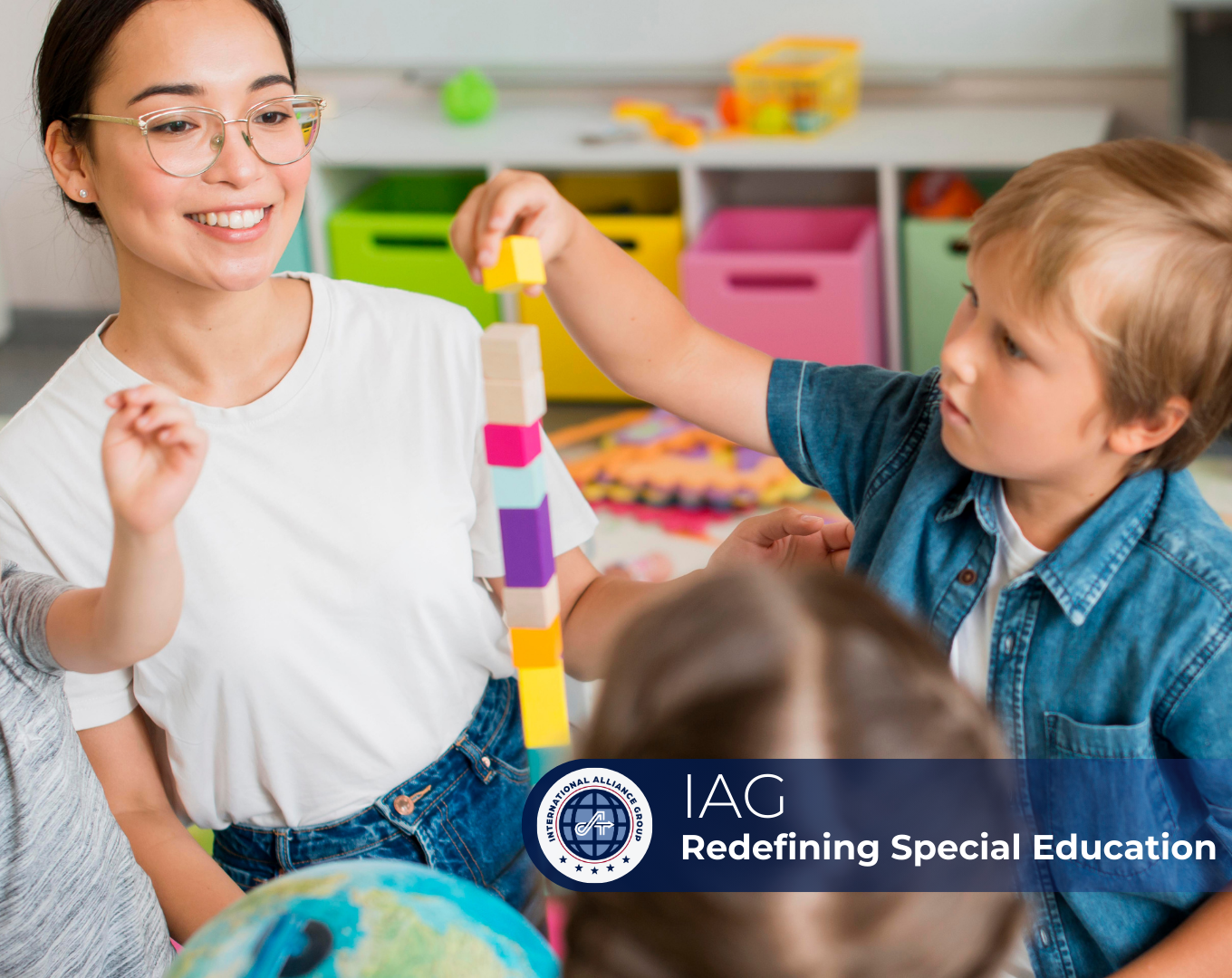
In the world of Special Education (SPED), the language of inclusion is universal, yet its application varies beautifully across different cultures. Participating in a J-1 Teacher Cultural Exchange offers a unique laboratory for professional growth, where educators from around the world bring their diverse perspectives to the U.S. classroom. This collaboration does more than fill a seat; it enriches the lives of students with diverse needs through a globalized approach to learning.
The Strategic Benefits of International SPED Expertise
Bringing international Special Education educators into U.S. schools provides a wealth of benefits that extend far beyond the lesson plan:
- Diverse Pedagogical Perspectives: International teachers often bring different philosophies of care and intervention. This diversity helps U.S. schools move beyond “standard” protocols, fostering innovation in how they approach individual education plans (IEPs).
- Cultural Competency for Students: Students in special education benefit deeply from interacting with mentors from different backgrounds. This exposure helps them develop social-emotional skills and a broader understanding of the world, which is essential for their integration into a globalized society.
- Enhanced Language Support: Many international SPED educators are multilingual, providing an invaluable bridge for English Language Learners (ELL) within the special education system.
The Power of Shared Methodologies
When a SPED teacher joins the International Alliance Group (IAG) exchange program, they aren’t just entering a new classroom; they are entering a vibrant, two-way dialogue of pedagogical strategies. This exchange allows for a high-level professional synthesis:
1. Alignment with U.S. Standards
By blending their home-country intervention techniques with U.S. legal and educational standards, they create a more robust, multi-layered support system for their students.
2. Assistive Technology Exchange
The exchange serves as a bridge for technological innovation. Educators learn and share how different technologies—from advanced speech-to-text tools to specialized sensory equipment—are utilized globally to foster independence in students with disabilities.
3. Empathetic and Inclusive Classroom Design
International educators often bring cultural nuances of “patience,” “resilience,” and “collectivism” from their home countries. These values help design nurturing environments that prioritize the student’s holistic well-being alongside their academic goals.
Your Journey as a Cultural Ambassador
In this exchange, you are so much more than an educator; you are a Cultural Ambassador and a heart-centered bridge between two worlds. While you bring your specialized expertise to advance the field of Special Education, your most profound impact will be the love, patience, and unique cultural perspective you share with every student.
By choosing this journey, you are doing something truly brave and beautiful: you are weaving your own story into the lives of your students and their families. You aren’t just exchanging teaching methods; you are planting seeds of global understanding and kindness that will stay in their hearts long after the academic cycle ends.
Your role is to be a guiding light—showing your students that despite our different backgrounds, the language of care and the commitment to their growth is universal. As you share your culture and professional excellence, you also open your heart to be transformed by the community that welcomes you, completing a circle of mutual respect and lifelong connection.
Ready to contribute your expertise to a global classroom? Start Your Professional Exchange Profile Today!