
12Apr

International Teachers: Transforming Social-Emotional Learning in U.S. Schools

In the increasingly diverse landscape of U.S. schools, Social-Emotional Learning (SEL) has emerged as a cornerstone for fostering student well-being and academic achievement. Latin American teachers play a unique and indispensable role in advancing SEL, offering insights, approaches, and empathy deeply rooted in their cultural and personal experiences.

Beyond the shared skills of their peers, Latin American teachers bring an intrinsic understanding of migration, resilience, and community-building—qualities that resonate profoundly with students navigating similar challenges. Studies, such as those by the Learning Policy Institute, indicate that culturally responsive teaching significantly enhances students’ emotional regulation and academic performance, further underscoring the invaluable contributions of these educators. 

Building Relationships Through Cultural Understanding 

At the heart of SEL lies the ability to cultivate meaningful relationships, and Latin American teachers excel in this area due to their profound cultural understanding. While customs, language, and traditions form a strong foundation, these teachers bring additional layers of connection. Many have firsthand experience of migration or navigating bicultural identities, which allows them to empathize deeply with students facing similar transitions. This lived experience provides a wellspring of understanding that goes beyond surface-level cultural knowledge. 

For example, Latin American teachers often understand the unspoken cultural norms that influence students’ behavior, such as indirect communication styles or the importance of familial hierarchy. Recognizing these dynamics, they can tailor their interactions to establish trust and respect. Furthermore, research shows that students who feel understood by their teachers are more likely to engage in learning and demonstrate resilience. These relationships not only boost emotional well-being but also foster academic persistence and improved classroom performance.

Cultural Background and the Identification of Social-Emotional Needs 

For instance, research from the American Educational Research Association emphasizes that students from immigrant families often face unique challenges, such as acculturative stress or feelings of isolation. A Latin American teacher, attuned to these realities, might notice signs of withdrawal or anxiety and proactively intervene. By introducing culturally familiar practices—like group discussions framed around shared storytelling or peer mentoring—they provide targeted support that fosters emotional stability and academic focus. These proactive approaches directly enhance students’ ability to engage and succeed academically. 

Culturally Responsive Teaching as a Catalyst for SEL 

Culturally responsive teaching is a hallmark of effective SEL, and Latin American teachers exemplify this practice by integrating students’ cultural contexts into every aspect of their instruction. They use teaching methods that honor students’ backgrounds while equipping them with the social-emotional tools needed to thrive in diverse environments. 

For example, a teacher might incorporate “talleres,” a Latin American instructional approach that mirrors project-based learning but emphasizes hands-on collaboration rooted in community values. This method allows students to explore and apply their knowledge while fostering teamwork and shared accountability. CASEL research highlights that such culturally grounded practices enhance student self-regulation and problem-solving skills, key components of both SEL and academic success. 

Additionally, Latin American teachers often adapt classroom discussions to include cultural references that resonate with their students. For instance, a teacher might explore themes of resilience through the stories of Latin American historical figures, helping students process emotions while connecting to their heritage. These strategies not only deepen emotional intelligence but also cultivate a sense of pride and belonging, which are critical for sustained academic engagement. 

The Broader Impact on School Communities 

The influence of Latin American teachers extends beyond the classroom, enriching the entire school community. Their ability to bridge cultural gaps fosters stronger partnerships between schools and families, an essential component of effective SEL. By engaging parents through culturally sensitive communication and inclusive events, these teachers create a supportive network that reinforces students’ social-emotional development at home and at school. 

For example, schools with active involvement from culturally responsive educators have been shown to experience improved parental participation rates, according to a study by Harvard’s Graduate School of Education. Latin American teachers often play pivotal roles in organizing events that celebrate cultural diversity, which strengthens the home-school connection and amplifies the SEL benefits for students. These inclusive efforts build a cohesive community that supports students holistically. 

Furthermore, Latin American teachers often advocate for systemic changes that prioritize SEL, such as implementing culturally inclusive curricula or promoting professional development focused on equity and empathy. Their leadership in these areas not only enhances the immediate educational environment but also contributes to a broader shift toward more inclusive and supportive school cultures. 

Social-emotional learning is a critical predictor of lifelong success, and the unique contributions of Latin American teachers play a pivotal role in shaping this foundation. Through their cultural understanding, responsive teaching, and unwavering commitment to student well-being, these educators ensure that every child is equipped to navigate the complexities of both their academic journey and their personal lives.

By combining their cultural fluency with innovative teaching practices and a deep commitment to equity, Latin American teachers transform schools into dynamic learning environments. Their ability to bridge the gap between diverse cultural backgrounds and the demands of the U.S. education system creates a powerful synergy that enhances both student well-being and academic outcomes. As research increasingly demonstrates the profound link between SEL and student success, the presence of Latin American teachers becomes not just an asset but a necessity, ensuring that every student has the support and inspiration to thrive in an interconnected world. 


This blog was written by Global Workforce Development, powered by IAG, an organization dedicated to creating international job opportunities for professionals.


 

10Apr

Building Inclusive Classrooms with International Teachers

In recent years, cultural diversity in U.S. classrooms has increased dramatically, and international teachers play a crucial role in this shift. Bringing professionals from around the world into U.S. schools not only enriches the educational environment but also helps create a more inclusive, empathetic, and dynamic learning space for students. As an international teacher currently working in the U.S., I want to share how the cultural and pedagogical diversity we bring is transforming education in America. 

1. Diverse Perspectives: An Invaluable Asset in the Classroom 

One of the most valuable aspects of having international teachers in U.S. schools is the opportunity to incorporate a variety of cultural perspectives into the classroom. Students, especially in diverse urban areas, benefit from learning not only from their teachers but also from the different experiences and backgrounds those teachers bring with them. From the way we approach historical topics to how we structure lessons and manage day-to-day interactions, international perspectives significantly enrich the learning process. 

Impact on students: 

  • Globalized learning: Students get a window into the world outside the U.S., learning about different cultures, traditions, and educational approaches. This helps foster a global mindset and prepares them to be citizens of the world. 
  • Empathy building: By interacting with teachers from diverse backgrounds, students develop greater empathy for people from different cultures and learn to appreciate the diversity around them. 

2. Innovative Pedagogical Approaches 

Each teacher brings a unique set of skills and teaching methods influenced by the educational practices in their home country. International teachers often introduce pedagogical approaches that may be new or innovative within the U.S. education system, helping to transform the classroom into a more dynamic learning space. 

For example, some international teachers bring collaborative learning techniques, problem-based learning, or the use of technology that may not be as common in certain U.S. schools. Additionally, the differences in how we assess and motivate students often enhance the educational experience. 

Impact on students: 

  • Adaptability and flexibility: Students benefit from seeing how different teaching styles can lead to the same outcome—effective learning. They learn to be more adaptable and open to different ways of receiving information. 
  • Creativity and critical thinking: By implementing new methodologies, international teachers encourage critical thinking and creativity, motivating students to question and explore material in depth. 

3. Creating an Inclusive and Respectful Environment 

The U.S. classroom, especially in diverse communities, consists of students from various backgrounds, abilities, and experiences. As an international teacher, I’m not just a knowledge transmitter; I’m also a model for how to celebrate and respect diversity. Through everyday interactions, I strive to instill in my students the importance of inclusion, respect, and acceptance of differences. 

In this regard, international teachers play a crucial role in creating a space where all students—regardless of their race, ethnicity, religion, or socioeconomic background—feel valued and understood. 

Impact on students: 

  • Appreciation of diversity: International teachers help students understand that differences are not only inevitable but also valuable. 
  • A more inclusive classroom: By being a model of inclusion and respect, international teachers encourage students to build an environment where everyone can express themselves without fear of judgment, fostering collaboration and teamwork. 

4. Developing Global Skills for the Future 

We live in an increasingly globalized world, and it’s essential for U.S. students to prepare for interactions with people from different cultures. International teachers are playing a key role in this process, as their experiences and knowledge help students develop essential skills for their future. 

For example, teaching students to be aware of cultural differences, communicate effectively in diverse environments, and value others’ perspectives are critical skills for the 21st century. By providing these lessons beyond the classroom, international teachers are contributing to the development of future leaders, professionals, and global citizens. 

Impact on students: 

  • Preparation for the real world: Students develop intercultural competencies and global communication skills, preparing them to interact in a diverse and multicultural workforce. 
  • Valuing global teamwork: Surrounded by diverse perspectives, students learn to collaborate with people from different backgrounds, a skill that is increasingly sought after in today’s global job market. 

5. The Power of International Experience 

International teachers, having taught in different countries and educational contexts, often bring a unique perspective on the challenges and opportunities that exist in the classroom. This experience allows us to see things from a different angle, always looking for innovative solutions to improve the learning experience and adapt to students’ needs. 

Additionally, international teachers are often better equipped to handle diverse learning styles, having worked with students from a range of socioeconomic, linguistic, and cultural backgrounds, which makes us even more effective in diverse classrooms. 

Impact on students: 

  • Resilience and adaptability: Students learn from their teachers how to be resilient and adapt to new environments, giving them tools to tackle challenges in an ever-changing world. 
  • Role models of perseverance: International teachers often serve as examples of perseverance and adaptability, inspiring students to overcome barriers and achieve their goals. 

Diversity in the classroom not only enriches the learning experience but also prepares students for a more inclusive, collaborative, and global future. International teachers play a vital role in this process, bringing unique perspectives and innovative teaching approaches that benefit both students and the U.S. education system as a whole. 

If you are an international teacher considering teaching in the United States, know that your presence in the classroom will be valuable not just for your academic expertise, but also for the cultural richness and unique experiences you bring. Together, we can help create a learning environment that is more inclusive, respectful, and diverse for all students. 

This blog was written by Global Workforce Development, powered by IAG, an organization dedicated to creating international job opportunities for professionals.
08Apr

Collaborative Teaching: My Journey as a Mexican Educator in the USA 

Hello, future educators! I’m a Mexican teacher currently working in the United States. I’m excited to share my insights on the powerful impact of collaboration in education and how you can benefit from it as part of an international teaching program. 

The Benefits of Collaboration 

One of the most remarkable aspects of teaching in the USA is the emphasis on collaboration among educators. 

  • Enhanced Student Outcomes: When teachers collaborate, we create more engaging lessons that cater to different learning styles. This teamwork leads to improved student performance and greater engagement in the classroom. 
  • Professional Development: Collaboration provides ample opportunities for teachers to learn from one another. We share best practices and resources, enriching our professional growth and enhancing our teaching methods. 
  • Supportive Work Environment: The collaborative culture fosters a sense of community among educators. Knowing that I have the support of my colleagues makes a huge difference, especially in navigating the challenges of teaching. 

Models of Collaboration 

In my experience, several models of collaboration have proven effective: 

  • Co-Teaching: This model allows two teachers to work together in the same classroom, providing support to diverse learners. It’s incredibly effective in inclusive classrooms, ensuring that every student receives the attention they need. 
  • Professional Learning Communities (PLCs): PLCs are essential for ongoing professional development. In these groups, we discuss our teaching strategies, analyze student data, and collectively work on improving our practices. 
  • Peer Observations: Observing my colleagues in action has been invaluable. It offers fresh perspectives and constructive feedback, allowing us to grow and refine our teaching skills. 

Tools and Platforms 

The integration of digital tools has further enhanced collaboration: 

  • Digital Collaboration Tools: Platforms like Google Classroom, Slack, and Microsoft Teams enable seamless communication and resource sharing among teachers. These tools help us stay connected, even when we can’t meet face-to-face. 
  • Shared Resources: Online resource banks and teacher networks allow us to share lesson plans, activities, and materials. This collaborative sharing saves time and encourages creativity. 

Case Studies and Success Stories 

I’ve seen firsthand how collaboration can transform educational environments: 

  • Successful Collaborative Programs: Schools that prioritize collaboration often see significant improvements in student achievement. For instance, our school implemented a co-teaching model that has led to higher student engagement and performance. 
  • Teacher Testimonials: I’ve spoken with many teachers who’ve benefited from collaborative practices. One colleague shared how co-teaching improved their confidence and led to better student outcomes. 

Strategies for Effective Collaboration 

To make the most of collaborative efforts, consider these strategies: 

  • Goal Setting: Establishing clear, shared goals is crucial for effective collaboration. It aligns our efforts and keeps us focused on what we want to achieve. 
  • Regular Meetings: Setting up regular check-ins helps maintain momentum and fosters ongoing communication among team members. 
  • Celebrate Successes: Recognizing and celebrating our collaborative achievements motivates us and reinforces the value of teamwork. 

Future of Collaborative Teaching 

As education evolves, so does the landscape of collaborative teaching: 

  • Trends in Education: Emerging trends, such as personalized learning and technology integration, are shaping collaborative practices. Staying informed about these trends can enhance our teaching strategies. 
  • Policy Changes: Educational policies at local and federal levels can either support or hinder collaboration. Advocating for policies that promote collaborative teaching will help create a more conducive environment for educators. 

If you’re passionate about teaching and ready to embrace collaboration, I invite you to consider joining a program that recruits international teachers to the USA. The experience promises not only professional growth but also the chance to make a lasting impact on students’ lives. 

Together, we can build a vibrant, collaborative educational community. I look forward to welcoming you on this incredible journey! 

This blog was written by Global Workforce Development, powered by IAG, an organization dedicated to creating international job opportunities for professionals. 
07Apr

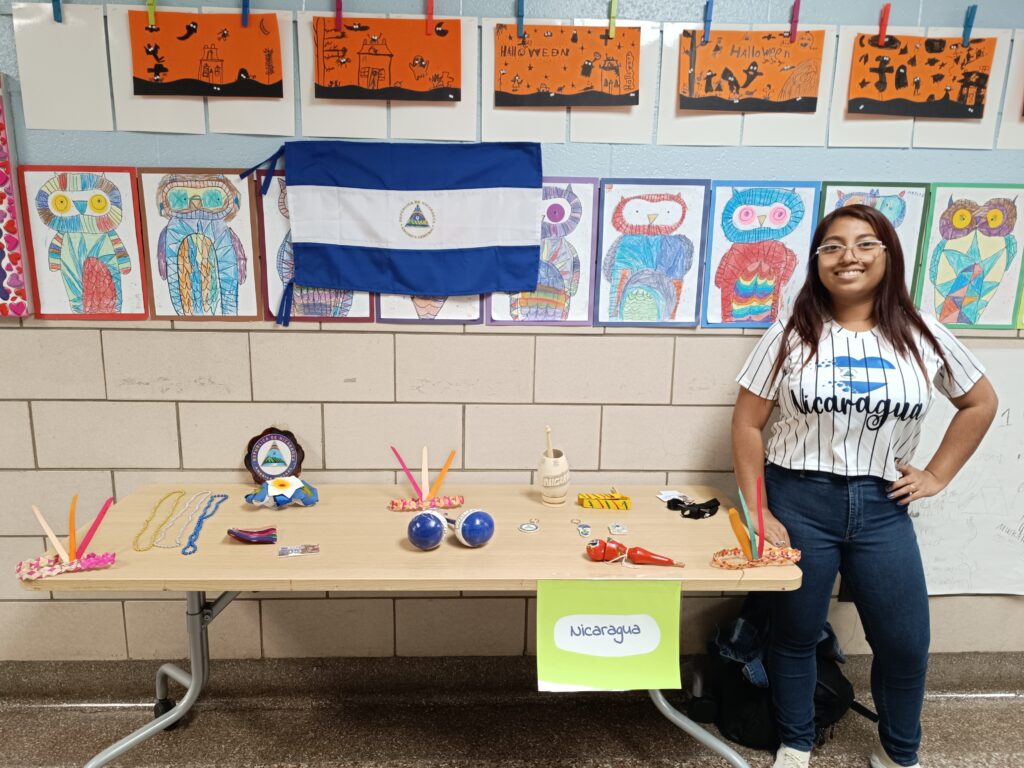
From Nicaragua to Lansing: Karolina’s Journey and the Transformative Power of International Teachers

The rich tapestry of U.S. classrooms is increasingly woven with the threads of diverse international experiences. International teachers bring not only vital skills and expertise but also unique cultural perspectives that enrich the educational landscape. Today, we share the inspiring story of Karolina Bonilla, a dedicated educator from Managua, Nicaragua, who found her calling in Lansing, Michigan, through International Alliance Group (IAG). Her journey highlights the profound impact that international teachers have on U.S. schools and the invaluable role IAG plays in facilitating these life-changing experiences.

Karolina’s Story

Karolina Bonilla, a passionate 4th-grade teacher, embarked on a remarkable adventure when she joined the Spanish Immersion Program at Lewton School in Lansing, Michigan. Driven by a desire for new challenges and a thirst to immerse herself in a different culture, Karolina sought to expand her horizons beyond her native Managua, Nicaragua.

“I wanted to teach in the USA to have new challenges and to learn a new culture,” Karolina shares. “My IAG experience has been great; I wouldn’t have had this opportunity without them.”

Karolina’s experience underscores the transformative power of international exchange in education. She not only brings her pedagogical expertise to her students but also serves as a cultural bridge, fostering understanding and appreciation for diversity within her classroom and the broader school community. Her ability to connect with students through a Spanish Immersion program shows the importance of bilingual teachers in todays classrooms.

From navigating the complexities of visa processes to providing ongoing support and guidance, IAG ensured a smooth transition for Karolina, allowing her to focus on what she does best: teaching.

The Impact of International Teachers

Karolina’s story is a testament to the significant contributions international teachers make in U.S. schools. They:

  • Enrich Cultural Understanding: International teachers bring diverse perspectives that broaden students’ horizons and promote global awareness.
  • Bring Expertise in High-Demand Fields International teachers offer specialized knowledge and certifications in key subjects. This allows schools to strengthen academic programs like SPED,STEM and particularly bilingual education, where they provide authentic linguistic and cultural immersion.
  • Enhance Language Proficiency: Bilingual teachers provide essential support for English Language Learners and strengthen language programs.
  • Foster Global Competence: They prepare students to thrive in an increasingly interconnected world.

Karolina’s story is a reminder of the profound impact that dedicated educators can have, transcending borders and building bridges of understanding.

If you’re an international teacher seeking new challenges or a school district looking to enrich your classrooms, International Alliance Group can help you realize your goals. Are you an international teacher ready to embark on a life-changing journey? Or a school district looking to enrich your classrooms with global talent? Contact us today to learn more.

Form for teachers here

Form for School Districts here.

This blog was written by Global Workforce Development, powered by IAG, an organization dedicated to creating international job opportunities for professionals. 

07Apr

How International Teachers Can Shape the Future of U.S. Schools 

As an international teacher in the United States, I’ve experienced firsthand how professional development, leadership opportunities, and a supportive school district can empower educators to make a profound impact in the classroom. My journey, from my first year in a U.S. school to taking on multiple leadership roles, demonstrates how international teachers, with the right support, can thrive and lead in the U.S. educational system. 

Throughout my time as a 7th and 8th grade math teacher, I took on several leadership roles simultaneously, and each experience has contributed to my growth as an educator and leader. Today, I want to share how international teachers, like myself, can not only adapt but also lead and transform educational practices in U.S. schools. 

1. My First Year: Learning and Growing with District Support 

When I first arrived in the U.S. as an international teacher, I was excited but also a bit apprehensive about adjusting to a new educational system. As a 7th and 8th grade math teacher, I quickly realized there would be a learning curve, but I found that the district was deeply committed to my success. 

I was supported through a well-structured induction program that included professional development, as well as mentorship from my school principal and an instructional coach. This mentorship was crucial in helping me develop a strong foundation in U.S. teaching practices, as well as in adapting my instructional strategies to meet the needs of my students. While balancing my teaching responsibilities, I received ongoing feedback and guidance that allowed me to refine my methods, grow in confidence, and effectively engage my diverse student population. 

The combination of district support and mentorship allowed me to become a more effective teacher and laid the groundwork for my future leadership roles. 

2. My First Leadership Opportunity: English Language Development Coordinator 

Growing up as an English Language Learner (ELL) myself, I understood the unique challenges students face when learning a second language. This personal experience gave me a better perspective on language acquisition, which proved invaluable when I was offered the role of English Language Development (ELD) Coordinator

As a full-time 7th and 8th grade math teacher, I took on this leadership responsibility, helping ensure our ELL students received the appropriate support to succeed academically. The district provided training through the Department of Education and certified me in ELD strategies, which allowed me to work closely with teachers to implement effective language acquisition programs. 

This role also gave me the opportunity to advocate for ELL students, creating strategies to enhance their learning experience while also offering guidance to other teachers on how to better support these students in the classroom. As someone who had navigated the ELL experience myself, I was able to bring empathy, expertise, and practical approaches to my colleagues, making a meaningful impact both in the classroom and across the school. 

3. Driving Student Achievement: Leading School Testing and Data-Driven Improvement 

Alongside my teaching duties, I was also appointed School Testing Coordinator, a role that involved ensuring our school met state and district testing requirements. Balancing this responsibility with my math teaching duties was challenging but also incredibly rewarding. 

In this position, I not only managed the logistics of standardized testing but also facilitated data analysis sessions with teachers, administrators, and instructional staff. We reviewed student achievement data, identified areas for improvement, and had conversations about how to adjust instruction and create School Improvement Plans based on the data. 

By working with over 30 teachers to interpret and act on testing data, I was able to lead school-wide efforts to improve student performance, particularly in preparing students for state assessments. This role was an important part of my leadership journey, as it reinforced my belief in the power of data to drive educational decision-making and improve outcomes. 

4. Fostering Collaboration: Leading Multi-Tiered Support and Targeted Interventions 

One of the most impactful roles I took on was being part of the Multi-Tiered Systems of Support (MTSS) team. In this capacity, I worked collaboratively with administrators, counselors, and other educators to ensure that students received the appropriate level of support based on their individual needs. 

As part of the MTSS team, I contributed to identifying students who were struggling academically, behaviorally, or socially and helped design interventions tailored to meet those needs. This included organizing and analyzing data from both academic performance and behavior assessments to ensure that students were getting the right kind of support—whether that meant additional instructional time, social-emotional support, or behavior interventions. 

By participating in MTSS, I saw the direct impact that targeted, tiered interventions can have on student success. I also learned how critical it is to approach each student as an individual, offering a range of supports to help them succeed. This experience deepened my belief in the power of data-driven decisions and collaboration in ensuring every student’s needs are met. 

5. Leading Professional Learning Communities (PLCs) 

As my leadership roles expanded, I had the opportunity to lead Professional Learning Communities (PLCs), which focused on vertical collaboration in math and reading. These initiatives were crucial in ensuring that our teaching strategies were aligned across grade levels, enabling students to build foundational skills year after year. 

In addition to teaching math, I led regular PLC meetings where teachers from various grade levels came together to share strategies, analyze student data, and collaborate on instructional methods. This experience helped me further develop my leadership skills while strengthening the professional community within our school. 

Leading these PLCs not only demonstrated the value of collaboration in improving student outcomes, but it also gave me the chance to model the kind of teamwork and continuous professional growth that I believe is essential for educational success. 

6. Becoming an Instructional Coach 

My most recent leadership role has been serving as an Instructional Coach on my campus. As a 7th and 8th grade math teacher, I worked closely with my colleagues to support them in refining their teaching practices, analyzing student data, and implementing best instructional practices. 

In this role, I provided one-on-one coaching sessions, facilitated professional development, and guided teachers through effective lesson planning and classroom management. Working as an instructional coach allowed me to leverage my experience as both a teacher and a leader, helping other educators grow while also improving my own teaching practices. 

Becoming an instructional coach was the culmination of years of hard work, training, and leadership experience. It further reinforced my belief that international teachers are not only capable of adapting to a new educational system, but that they can thrive and lead in it, ultimately making a profound impact on their schools. 

International Teachers as Leaders 

My journey, balancing the responsibilities of a full-time math teacher with leadership roles in ELD coordination, school testing, MTSS, PLCs, and instructional coaching, has shown me how international educators can rise to leadership positions and make a significant impact. With the right support, professional development, and opportunities, international teachers can grow into leaders who drive positive change within their schools. 

International teachers bring unique perspectives, experiences, and insights that are invaluable in U.S. schools. By becoming leaders in a variety of capacities—whether in instructional leadership, data-driven decision-making, or collaborative initiatives—international teachers can help shape the future of education in their schools and contribute to the academic success of their students. 

This blog was written by Global Workforce Development, powered by IAG, an organization dedicated to creating international job opportunities for professionals. 
05Apr

Key cultural aspects to consider when Teaching in the U.S.

If you’re an international teacher who has decided to take the exciting step of teaching in the United States, you may face several cultural challenges in the classroom. Differences in pedagogical expectations, student interactions, and behavioral norms can vary significantly from what you are accustomed to in your home country. In this blog, I’ll share some key cultural aspects that international teachers might encounter and offer tips on how to adapt and succeed in U.S. classrooms. 

1. Direct and Open Communication Style 

One of the most noticeable differences in U.S. classrooms is the communication style. Students and parents in the U.S. tend to be very open and direct in their interactions. Unlike some cultures where respect and formality are paramount, students in the U.S. may feel comfortable asking questions, expressing opinions, and even providing feedback to teachers. 

Tips for adapting: 

  • Encourage open communication. Create a classroom environment where students feel safe and comfortable to share their ideas and ask questions without fear of judgment. 
  • Listen actively. Show that you value their input, even if you don’t always agree with them. 
  • Be direct but respectful. Don’t hesitate to be clear and upfront about your expectations and explanations. Students appreciate transparency and clarity. 

2. Active Participation and Expectations of Independence 

In U.S. schools, there is a strong emphasis on active student participation in their learning process. Education in the U.S. focuses heavily on developing critical thinking, problem-solving, and collaborative skills. It is common to see group discussions, peer-to-peer learning, and a greater degree of student autonomy in the classroom. 

Tips for adapting: 

  • Incorporate interactive learning. Encourage group work, class discussions, and collaborative projects. Not only does this approach help with learning retention, but it also promotes social and communication skills. 
  • Foster independence. Students in the U.S. are expected to take more initiative in their learning. Provide tasks that challenge them to think critically, research, and make decisions on their own. 

3. Cultural Diversity and Inclusivity 

The U.S. is a highly diverse country, and this diversity is reflected in the classroom. Students come from a wide range of cultural, ethnic, and linguistic backgrounds. It’s important to understand that the experiences and perspectives of students may differ significantly from your own. 

Tips for adapting: 

  • Be aware of cultural differences. Take time to understand the traditions and values that may influence student behavior. Approach students with respect and avoid making assumptions based on stereotypes. 
  • Promote diversity in your teaching. Use educational materials that reflect a variety of cultures and perspectives. Celebrating diverse traditions and viewpoints within the classroom fosters a more inclusive environment. 
  • Support multilingual students. If you have students who speak languages other than English, be patient and offer additional resources or assistance to help them succeed. 

4. Parental Involvement in Education 

Parents in the U.S. are often very involved in their children’s education. There is a strong expectation for parents to attend school events, participate in meetings, and maintain regular communication with teachers. This partnership between home and school is considered crucial to student success. 

Tips for adapting: 

  • Encourage parental involvement. Be proactive in communicating with parents about their child’s progress, and invite them to participate in school activities or meetings. 
  • Be receptive to feedback. U.S. parents are often vocal about their children’s education and will likely share concerns or suggestions. Listen to their feedback and work collaboratively to address any challenges. 

5. Teacher Authority and Mutual Respect 

While students in the U.S. are more likely to be open and direct in their communication, they are also expected to respect the authority of the teacher. However, this respect is not purely hierarchical. Instead, it’s based on mutual respect, where teachers are seen as guides and facilitators of learning. 

Tips for adapting: 

  • Set clear expectations from the start. U.S. students value structure and clarity. Establish your classroom rules and expectations early and be consistent in enforcing them. 
  • Build positive relationships. Get to know your students, show interest in their well-being, and foster a supportive, respectful classroom atmosphere. 
  • Be firm but flexible. Students appreciate teachers who are fair and consistent but also understanding and adaptable when unique situations arise. 

6. Balance Between School and Personal Life 

In contrast to some cultures where schoolwork might dominate a student’s life, in the U.S., there is a strong emphasis on maintaining a balance between academics and personal time. Students are encouraged to participate in extracurricular activities such as sports, arts, and community events, and personal time is highly valued. 

Tips for adapting: 

  • Promote a well-rounded lifestyle. Encourage students to engage in activities outside the classroom that help them grow both academically and personally. 
  • Respect personal time. Recognize that students and their families place great importance on having time to recharge. Be mindful of the amount of homework or extracurricular pressure you place on students. 

Adapting to a new cultural environment can be challenging, but it is also a rewarding opportunity for both personal and professional growth. As an international teacher, you bring a unique perspective that can enrich the classroom while learning how to navigate U.S. cultural norms and expectations. The key is to remain open, flexible, and build positive relationships with both students and their families. 

In the end, teaching in the U.S. is a chance to make a meaningful impact on students’ lives while embarking on an educational adventure full of challenges and rewards. 

This blog was written by Global Workforce Development, powered by IAG, an organization dedicated to creating international job opportunities for professionals. 

03Apr

Building Bridges: Effective Solutions for Schools with International Teachers

As a middle school math teacher from México now working in the U.S., I’ve seen the challenges schools face up close. Whether it’s a growing need for more inclusive practices, or the increasing diversity of student populations, schools across the country are navigating complex issues. 

My experience within both the Mexican and American educational systems has given me a unique perspective on how international teachers can help schools overcome these challenges and create thriving learning environments.

1. Infusing Global Expertise into Core Subjects

Schools are always seeking to enhance learning in foundational areas like math, science, and bilingual education. International teachers contribute to this goal by bringing a wealth of global experience and specialized knowledge.

When I joined my district, I was excited to share my years of experience and passion for teaching with the middle school math program. International teachers arrive ready to meet high standards, bringing deep subject-matter expertise and a dedication to fostering a dynamic learning environment for their students.

2. Supporting Diverse Student Populations 

American classrooms are more diverse than ever, with students from a wide range of cultural, linguistic, and socioeconomic backgrounds. While this diversity enriches learning, it also creates new challenges for schools. 

As a Spanish-speaking teacher, I’ve been able to connect with students and families in ways that others might not be able to. My presence in the classroom not only helps Spanish-speaking students feel seen and understood but also fosters a greater sense of inclusion for all students. 

How International Teachers Help: 

  • Language support: Bridging gaps for students learning English and helping them succeed academically. 
  • Cultural connections: Creating a welcoming environment for students from immigrant families. 
  • Representation: Inspiring students by showing them that success is possible regardless of where they come from. 

3. Addressing Gaps in Family Engagement 

For schools, building strong relationships with families is critical to student success. Yet, language and cultural barriers can make it difficult for some parents to feel fully involved in their children’s education. 

As an international teacher, I’ve been able to act as a bridge between families and schools. Whether it’s translating during parent-teacher conferences or participating in district outreach programs, I’ve helped families feel more connected and empowered to support their children’s learning. 

Impact at the District Level: 

  • Improved communication: Families are better informed about their children’s progress and school expectations. 
  • Increased trust: Parents feel valued and understood, strengthening the school-community relationship. 
  • Greater participation: Families are more likely to attend events and engage with school programs. 

4. Navigating Curriculum and Standards 

Adapting to the U.S. educational system can be challenging for new teachers, but international educators bring a willingness to learn and adapt. When I first arrived, I worked closely with colleagues to align my teaching practices with state standards and district expectations. 

This adaptability is a hallmark of international teachers—we’re used to navigating change and finding innovative ways to meet curriculum goals. By combining our unique perspectives with local requirements, we bring fresh ideas to the classroom while staying aligned with district priorities. 

The Benefit to Schools: 

  • Creative solutions: International teachers often introduce new teaching strategies and problem-solving approaches. 
  • Collaborative mindset: We’re eager to work with colleagues and share best practices. 

5. Building a More Inclusive School Culture 

One of the greatest challenges schools face is creating a culture where every student feels valued and supported. International teachers play a key role in fostering inclusivity and global awareness. 

In my classroom, I’ve incorporated lessons that highlight the universal nature of math, connecting it to cultural examples from around the world. These lessons not only engage students but also encourage them to appreciate the diversity within their own communities. 

Long-Term Impact: 

  • Global perspective: Students gain a deeper understanding of the world beyond their local environment. 
  • Inclusive practices: Schools become places where diversity is celebrated and respected. 

Partnering with International Teacher Recruitment Programs 

To effectively address these challenges, school districts can partner with companies that specialize in bringing international teachers to the U.S. These organizations handle the complexities of visas, certifications, and cultural orientation, making it easier for schools to welcome talented educators from around the world. 

A Win-Win Solution: 

  • For districts: Access to a pool of highly qualified, motivated teachers ready to meet their needs. 
  • For teachers: Opportunities to share their expertise and make a lasting impact in a new cultural setting. 

Schools today face significant challenges, but they also have incredible opportunities to innovate and grow. As an international teacher, I’ve seen how my presence in the classroom—and in the district—can make a real difference. By bringing in teachers from around the world, schools can not only address immediate needs but also create richer, more inclusive learning environments for their students. 

Let’s work together to overcome these challenges and create schools where every student can succeed. 

This blog was written by Global Workforce Development, powered by IAG, an organization dedicated to creating international job opportunities for professionals. 

02Apr

How International Teachers Bring Lasting Value to Your District 

Building a stable and dynamic faculty is a top priority for school districts across the United States. When exploring a cultural exchange partnership with international teachers, district leaders naturally consider key questions: How can we ensure these educators feel integrated and supported for long-term success? What is the pathway to a fruitful collaboration? How will their global perspectives enhance our U.S. education system?

At International Alliance Group, we share these goals and understand the importance of building sustainable, enriching relationships. International teachers, when welcomed and supported effectively, bring stability, fresh perspectives, and a long-term commitment that benefits schools and districts alike.

Here’s how districts can build lasting and impactful partnerships with international educators.

1. Retention: International Teachers Are Dedicated to Staying 

One of the biggest concerns for districts is turnover. The time and resources invested in hiring can feel daunting, but international teachers are uniquely positioned to provide the stability districts need. 

Why International Teachers Stay 

      • Commitment to Opportunity: Teaching in the U.S. is a career milestone that many international teachers work tirelessly to achieve. They approach the role with a deep sense of responsibility and dedication. 

        • Visa Agreements: Many international teacher programs include multi-year contracts, typically ranging from three to five years, ensuring a reliable presence in the classroom. 

          • Personal Motivation: For international educators, stability is often a priority, both professionally and personally, as they integrate into their communities. 

        Tip for Success 

        Partnering with International Alliance Group  that carefully vet candidates for long-term goals ensures districts hire educators who are fully committed to building lasting careers. 

        2. International Teachers Are Classroom-Ready 

        Another frequent concern is whether international teachers are fully prepared to meet the demands of the U.S. education system. Rest assured, these educators undergo extensive preparation to ensure they’re ready for success. 

        How They Are Prepared 

            • Pre-Arrival Training: IAG provides cultural orientation and professional development tailored to U.S. educational standards. 

              • Strong Qualifications: International teachers bring advanced degrees and significant teaching experience in their subject areas. 

                • Adaptability: Moving to a new country requires resilience and problem-solving skills, traits that translate directly into classroom success. 

              By the time they enter the classroom, international teachers are equipped with the tools and mindset necessary to excel in their roles. 

              4. Supportive Environments: The Key to Retention 

              While international teachers come prepared to succeed, districts play a crucial role in helping them integrate and thrive. Support systems are essential for fostering long-term commitment. 

              Best Practices for Districts 

                  • Mentorship Programs: Pair international teachers with experienced colleagues to provide guidance and support during the transition. 

                    • Open Communication: Regular check-ins with administrators create opportunities to address challenges and celebrate achievements. 

                      • Recognition: Acknowledging the contributions of international educators fosters a sense of belonging and loyalty. 

                    When districts invest in creating welcoming, inclusive environments, international teachers are more likely to feel valued and remain committed for the long term. 

                    5. Long-Term Benefits for Districts

                     These educators bring consistency, innovation, and global perspectives that enrich school communities for years to come: 

                        • Consistency: International teachers provide continuity in positions that are often hard to staff, reducing turnover-related disruptions. 

                          • Enriched Curriculum: Their diverse backgrounds and experiences bring fresh ideas that inspire students and colleagues alike. 

                            • Community Impact: Many international educators develop strong ties to their schools and local neighborhoods, creating a ripple effect of cultural exchange and collaboration. 

                          A Future of Partnership and Growth 

                          Concerns about the longevity and preparedness of international teachers are understandable, but with the right strategies, districts can turn these concerns into opportunities. By partnering with IAG, planning proactively, and fostering supportive environments, schools can build lasting relationships with international educators. 

                          At International Alliance Group, we are committed to connecting districts with highly qualified international teachers who bring stability, passion, and innovation to the classroom. Together, we can create partnerships that benefit schools, students, and communities for years to come. 

                          Let’s build the foundation for long-term success—one teacher, one classroom, one district at a time. Register here and partnet with us today!


                          This blog was written by Global Workforce Development, powered by IAG, an organization dedicated to creating international job opportunities for professionals. 
                          01Apr

                          From Oaxaca to Texas: IAG  International Teacher experience 

                          Discover how Ilse Torres, an International Teacher from Oaxaca, Mexico, is thriving at Ridgeview Elementary School in San Antonio, Texas. 

                          What motivated you to teach in the United States, and what aspects of this experience have you found most valuable? 

                          I decided to teach in the United States first of all because it’s a great opportunity for your professional development, you learn new models, new methods, and you can take all this experience to your home country. Also because of the exposure to the US culture and society, you make friends, a family here and finally I’d say that I love that your salary is based on your educational level and years of teaching experience. 

                          What aspects of your professional development have you found most rewarding during your time teaching in the US? 

                          Living and working in San Antonio has provided me with a rich cultural experience. I’ve had the pleasure of immersing myself in American culture and building a second family here. This cultural exchange has broadened my perspective and enriched my life in ways I never imagined. 

                          Ilse’s story is a testament to the mutually beneficial relationship between international teachers and U.S. school districts. With IAG’s support, educators like Ilse thrive, bringing valuable skills and cultural perspectives to American classrooms, while districts gain access to highly qualified professionals. 

                          If you are a dual language teacher looking for professional growth and a rewarding experience, we invite you to explore the opportunities available here.

                          This blog was written by Global Workforce Development, powered by IAG, an organization dedicated to creating international job opportunities for professionals.

                          31Mar

                          6 Must-Knows for International Teachers Moving to the U.S

                          As a teacher who has navigated the exciting journey of relocating to the United States, I understand the mix of anticipation and apprehension you may feel. Moving to a new country to teach is a transformative experience, and while there are challenges, you are more than capable of overcoming them. Here are six essential considerations to help you prepare for your adventure in the U.S. 

                          1. Housing: Finding Your Home Away From Home 

                          Securing housing is often the first step in your transition and plays a crucial role in your overall comfort and stability. Finding a place that feels like home can help ease the stress of adjusting to a new environment. Start by researching the local housing market in the area where you’ll be teaching. Websites like Zillow or Apartments.com provide valuable insights into rental options. 

                          When I first arrived, I connected with a fellow teacher who guided me through the local rental landscape. I found an apartment that was not only affordable but also close to my school, making my commute easier. The key is to remember that housing costs can vary widely, but they often balance out when you consider the amenities and lifestyle they offer. 

                          Tip: Connect with fellow teachers or local community groups to gather recommendations on safe neighborhoods. If possible, consider temporary housing to explore areas before committing to a long-term lease. This flexibility will give you a chance to find a home that suits your needs and lifestyle. 

                          2. Getting a Phone Number: Staying Connected 

                          A reliable phone number is essential for both personal and professional communication. It serves as your lifeline for staying connected with colleagues, accessing local services, and keeping in touch with family back home. Once I arrived, I visited several mobile service providers to compare plans, ultimately choosing one with unlimited data. 

                          Having unlimited internet on my phone proved invaluable. In the U.S., many services and resources are app-based—from navigating the city to ordering groceries. This feature allowed me to adapt quickly, and I felt more connected to my new environment. 

                          Tip: Opt for a plan that includes international calling options and unlimited data. This will help you maintain connections with loved ones while making it easier to navigate your new community. 

                          3. Opening a Bank Account: Managing Your Finances 

                          Setting up a U.S. bank account is crucial for managing your finances effectively. Having a local bank account allows you to receive your salary without incurring foreign transaction fees and simplifies bill payments. I remember feeling nervous as I walked into my local bank with my passport and proof of address, but the staff was welcoming and made the process straightforward. 

                          The cost of living in the U.S. is often comparable to other countries. While some items may seem pricier, the value and quality often match what you’d expect back home. By keeping track of my expenses, I found that budgeting effectively made it manageable. 

                          Tip: Look for a bank that provides strong online and mobile banking options. This accessibility will help you stay organized and manage your finances as you adjust to your new life. 

                          4. Understanding Living Costs: Embrace the Change 

                          Adjusting to living costs in the U.S. can be a significant part of your transition, impacting your budget and daily life. This includes not just food, but also housing, transportation, and entertainment. While it’s natural to compare prices between your home country and the U.S., each market has its own pricing structure. 

                          I initially felt overwhelmed by grocery prices, but as I explored local stores, I realized that many items were quite similar in cost to what I was used to. Understanding that the money spent often correlates with the quality or convenience of an item helped me adjust my perspective. 

                          Tip: Embrace the local culture and explore different neighborhoods and stores. Create a budget that accounts for both essentials and occasional treats, allowing you to enjoy your experience without financial stress. 

                          5. Health Insurance: Understanding Coverage 

                          Health insurance in the U.S. can be complex, but understanding it is essential for your well-being. As an international teacher, you will be provided with health insurance, which is vital for navigating healthcare in your new home. 

                          When I first reviewed my health plan, I felt a bit lost, but the information provided helped clarify everything. Knowing how to use my insurance gave me confidence when visiting a doctor, making me feel secure in my health choices. 

                          Tip: Don’t hesitate to ask for a detailed explanation of your health plan. Knowing how to use your insurance and where to go for medical care will provide peace of mind during your stay. 

                          6. Getting a Driver’s License: Navigating Independence 

                          If you plan to drive in the U.S., obtaining a driver’s license is an important step that enhances your independence and mobility. It allows you to explore your new surroundings with ease and access areas that may not be easily reachable by public transport. 

                          However, it’s important to note that the process for obtaining a driver’s license varies from state to state. Each state has its own requirements and procedures, so it’s essential to do your research beforehand. I found the process fairly straightforward, but it was crucial to check my state’s Department of Motor Vehicles (DMV) website for specific information about required documentation, fees, and whether I needed to take a written or driving test. 

                          Tip: Familiarize yourself with your state’s DMV requirements and procedures before starting the process. This knowledge will help you navigate this important step more smoothly. 

                          Embrace Your Journey 

                          Relocating to the U.S. as an international teacher is a life-changing experience filled with opportunities for personal and professional growth. While challenges may arise, remember that you possess the skills and resilience to navigate them successfully. Embrace the adventure, keep an open mind, and trust in your ability to thrive in this new environment. 

                          At International Alliance Group we are ready to help you make it happen. Apply here and discover the rewarding experience of teaching in America.


                          This blog was written by Global Workforce Development, powered by IAG, an organization dedicated to creating international job opportunities for professionals.