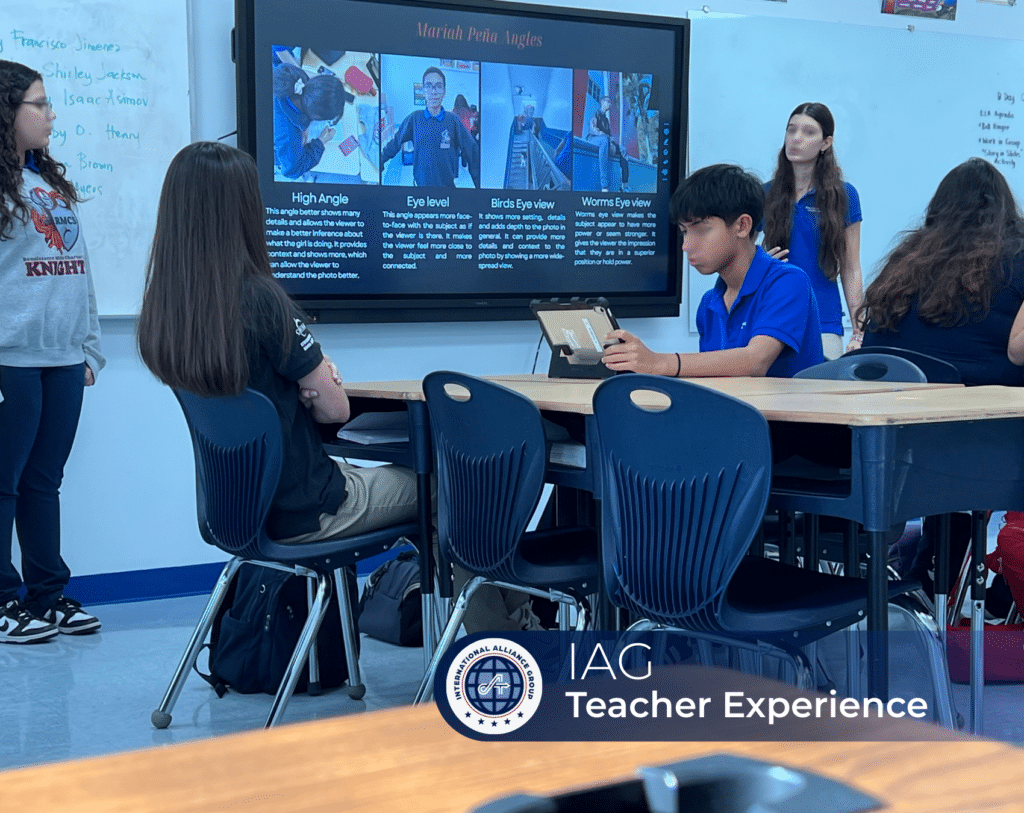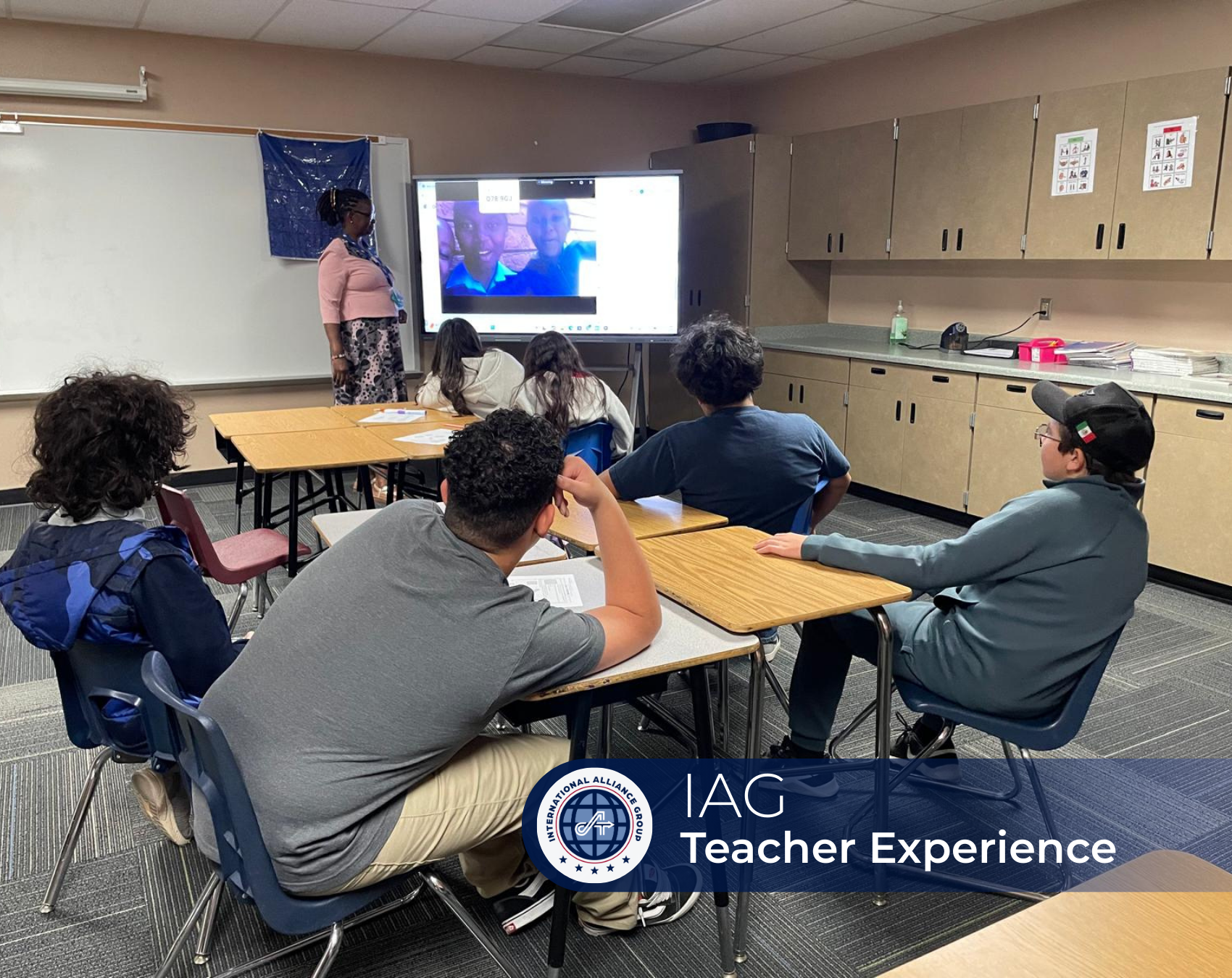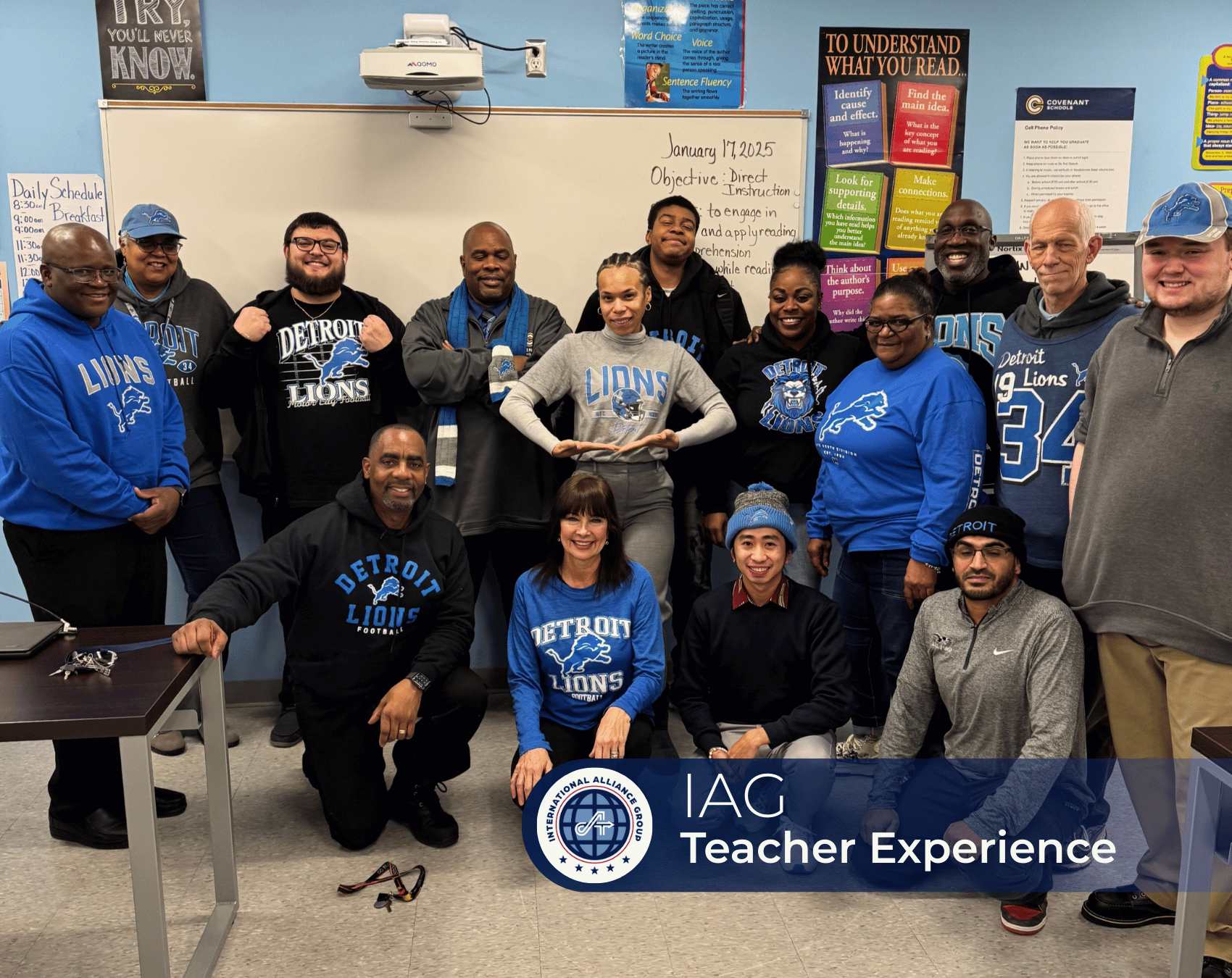
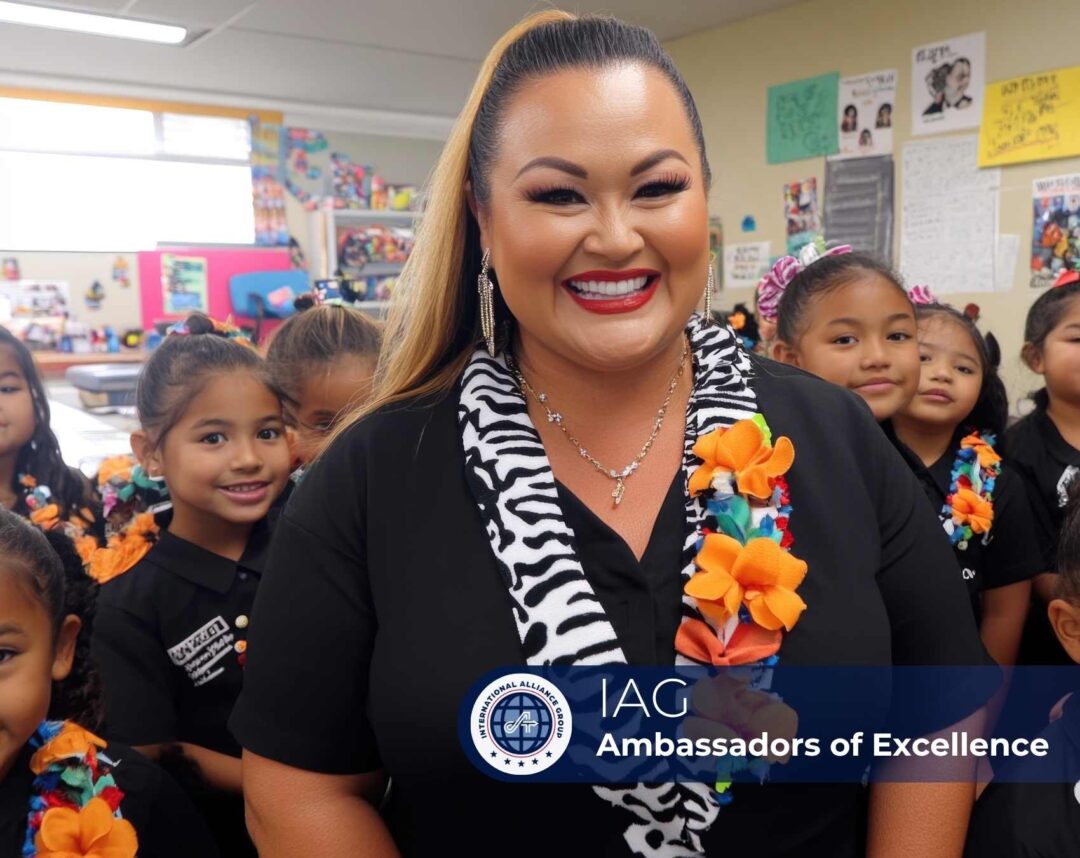
In today’s educational landscape, true innovation stems from the exchange of human perspectives. At International Alliance Group (IAG), our mission goes beyond administration; we are dedicated to cultivating a global network of educators who serve as cultural bridges. By integrating high-level professionals into American classrooms, we foster a learning environment where academic excellence and global awareness converge to prepare students for the challenges of the 21st century.
This year has been historic for our community, marked by prestigious recognitions that validate the quality and commitment of our cultural ambassadors.
A Legacy of Compassion: Jhamcarlos Escoto, Teacher of the Year
One of the most notable achievements of this school cycle is the naming of Jhamcarlos Escoto Reyes as the “2025-2026 Teacher of the Year” at Yearling Middle School in Florida. Originally from Nicaragua, Jhamcarlos has demonstrated that teaching English Language Arts (ELA) can be a powerful tool for social empowerment.
-
- Multidimensional Leadership: Beyond his classroom work, he serves as the 7th Grade ELA PLC (Professional Learning Community) Lead and the school’s Yearbook Sponsor.
-
- A Philosophy of Impact: Guided by his heritage, he believes education is a “passport to a better future” and strives to educate the “whole person”—heart, mind, and spirit.
-
- A Culture of Success: He has transformed his classroom into a space where one student’s success is everyone’s success, breaking cultural barriers through collaboration.
Inclusion and Trust: The Recognition of Isaura Medina
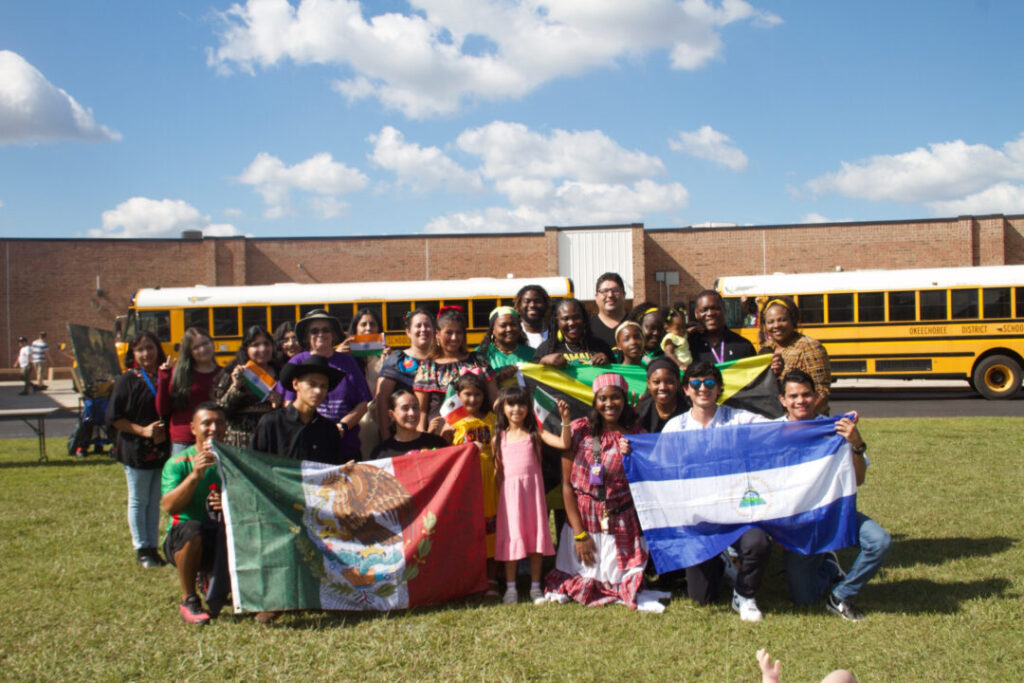
In Arizona, Isaura Mayeli Medina Mendoza was honored with the Mosaic Staff Award within the Glendale Elementary School District. This award recognizes her exceptional effort in creating an inclusive and culturally responsive environment for her 5th-grade students.
-
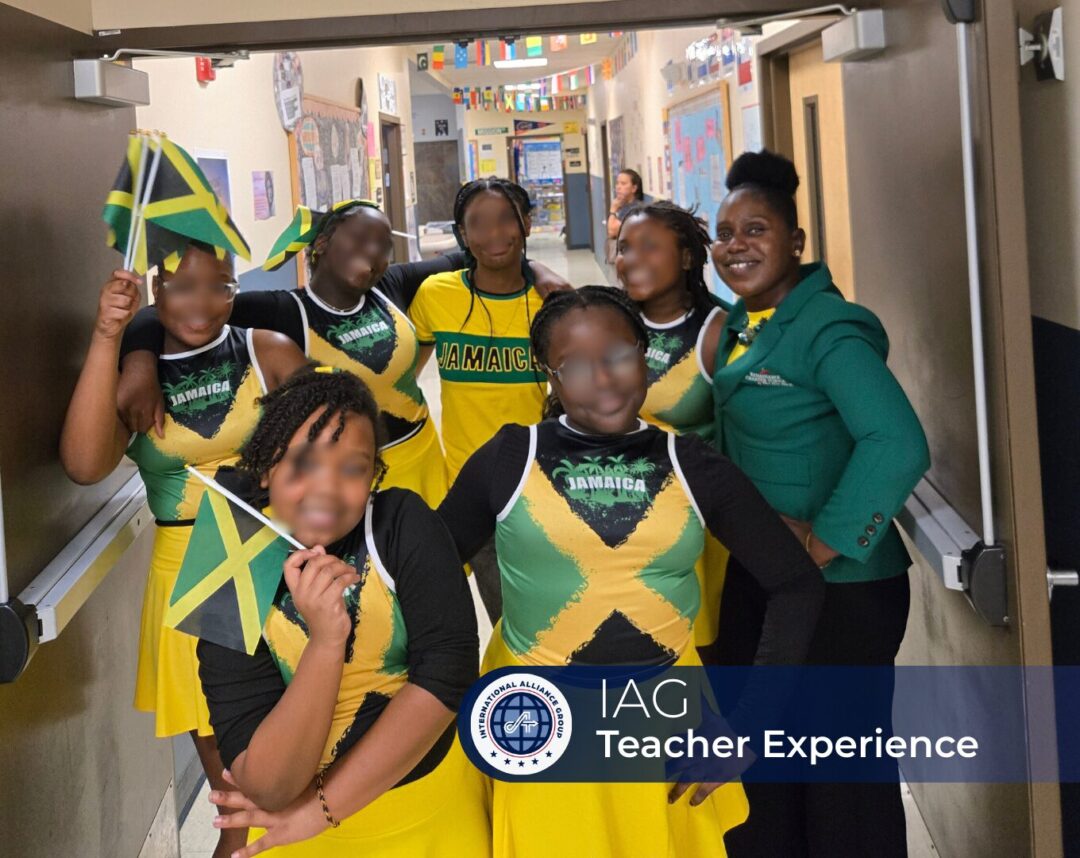
- Ambassador of Nicaragua: She has enriched the curriculum by sharing traditions such as La Purísima and the history of Nicaraguan Independence Day.
-
- Innovative Methodologies: Her ability to adapt her teaching style to an environment that prioritizes student independence and critical thinking has been highly praised by administrators.
-
- Impact on Peers: Isaura has shared strategies involving music, games, and storytelling, which colleagues have adopted to create more interactive learning environments.
Elite Academic Results: The Triumph of Eliderky Sanchez
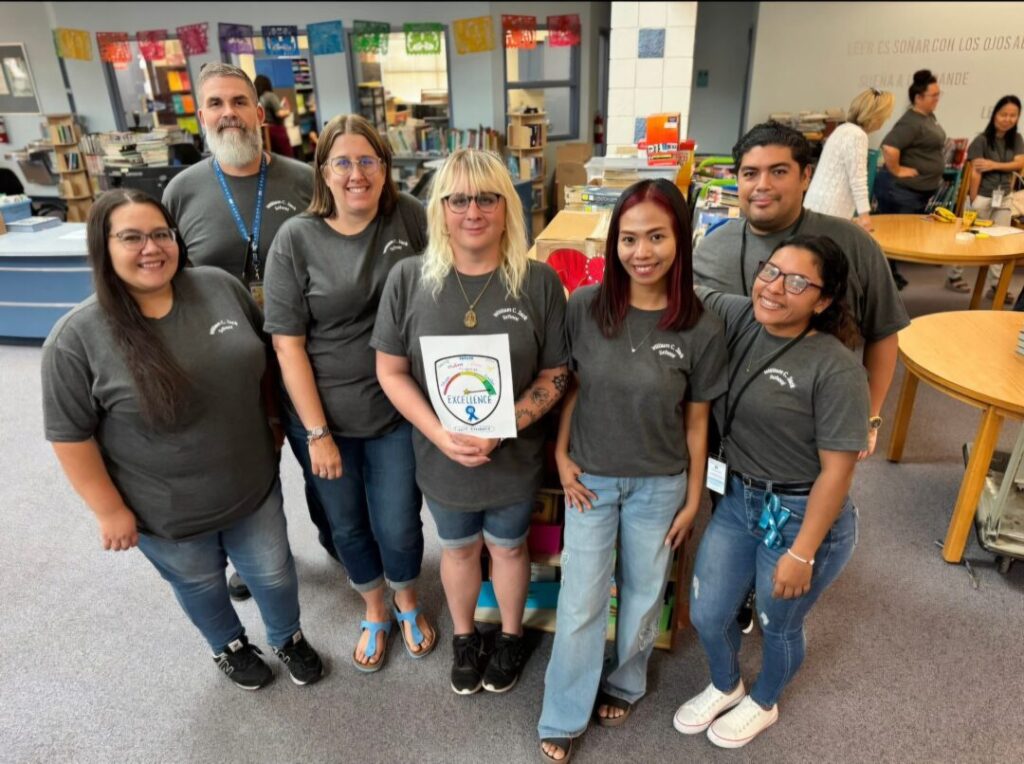
The excellence of International Alliance Group (IAG) educators also translates into tangible results in state evaluations. Eliderky Sanchez Mercedes, a Dominican educator in the Littleton Elementary District, Arizona, received the “Best 6th Grade Achievement of the Year” award.
-
- Academic Mastery: Holding a Master’s Degree in Applied Linguistics and 12 years of prior experience, Eliderky led her 6th-grade ELA students to earn first place in the district on state assessments.
-
- Dynamic Exchange: She has integrated merengue, bachata, and Dominican cuisine—such as mangú and sancocho—to spark historical and cultural curiosity among her students.
-
- Communication Strategies: She utilizes oral presentations, role-playing, and debates to strengthen students’ confidence and critical thinking skills.
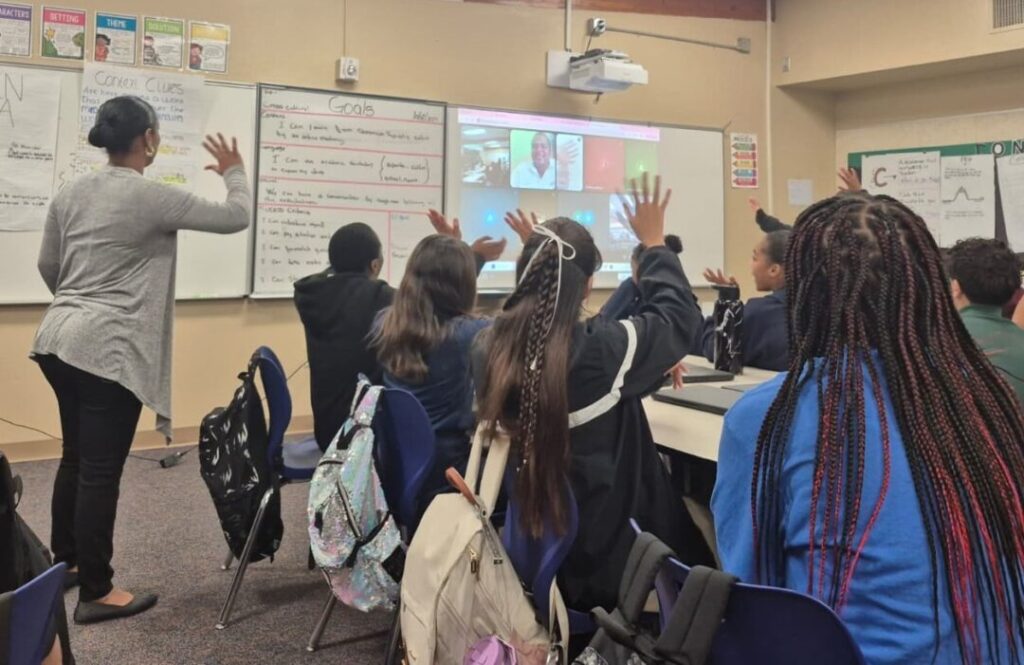
The IAG Mission: Fostering Global Understanding
The presence of these award-winning educators proves that cultural exchange is a vital investment in educational quality. School districts gain innovative perspectives and role models who personify lifelong learning and adaptability.
For International Alliance Group (IAG), every award received by our educators is a confirmation that we are fulfilling our purpose: preparing students to thrive in a globalized society through empathy, respect, and academic excellence.
The success stories of Jhamcarlos, Isaura, and Eliderky are a testament to the profound impact that international educators bring to American school districts. By embracing the spirit of cultural exchange, districts do more than fill a seat at the front of the classroom; they gain award-winning ambassadors who foster equity, drive academic results, and prepare students for a globalized world. Partner with International Alliance Group (IAG) today to bring a world of perspective and excellence to your educational community.
Elevating Excellence through Cultural Exchange
For educational leaders, partnering with International Alliance Group (IAG) is a strategic commitment to both academic mastery and global citizenship. By hosting these award-winning ambassadors, your district does more than fill a space in the classroom—it integrates world-class expertise and diverse perspectives that prepare students to thrive in an interconnected society.
The success of our educators proves that cultural exchange is a vital investment in educational quality. We invite you to collaborate with IAG to bring transformative leadership, elite academic results, and a world of perspective to your educational community.