02Sep

How International Teachers Elevate Learning in California

California’s public schools are renowned for their diversity and innovation. Yet across the state, many classrooms still face a pressing challenge – a persistent shortage of fully credentialed teachers. High-need areas like special education, math, science, and bilingual education have been especially hard hit. In fact, during the last school year, over 10,000 California classrooms were led by teachers lacking full credentials. This shortage not only strains school resources but also threatens the consistency and quality of student learning. 

How Cultural Exchange is Enriching California’s Classrooms

More districts are welcoming international educators into their schools through J-1 visa cultural exchange programs, aligning with California’s vision of global classrooms with local impact. These international teachers are certified professionals who bring far more than their teaching skills. They bring new perspectives, languages, and cultural experiences that ignite students’ curiosity and empathy. Imagine a classroom in Los Angeles or the Central Valley where students learn world geography firsthand from a teacher who grew up on another continent, or a dual-language class in which a teacher from Mexico shares stories that make the Spanish language come alive for her bilingual students. The impact on student engagement and global awareness is profound. 

Policymakers have taken note as well. State leaders are exploring programs to bring more bilingual teachers from abroad, exemplified by California’s recent AB 833 legislation aimed at expanding teacher exchange with Mexico. “California students deserve to have more teachers who reflect their culture, language, and customs,” noted IAG President Jason Hammond in support of the bill.   

Crucially, international teachers in IAG’s program meet California’s rigorous standards. They are fully qualified, often bringing advanced degrees and years of experience in their subject areas. Many specialize in the very fields California needs most – from bilingual education to sciences and special education – and undergo thorough vetting to ensure they understand California’s curriculum and classroom expectations. These educators typically commit to multi-year placements, which means they become genuine members of their school communities. They attend staff meetings, coach soccer teams, participate in school culture, and often speak the home languages of California’s diverse families, building strong bonds with students and parents alike. 

Why Cultural Exchange is the True Goal for California’s Schools.

For California’s education decision-makers, bringing international teachers on board is about interrcultural exchange. It’s about creating vibrant, culturally rich learning environments where students see their own heritage reflected and also explore new global perspectives. A student in San Diego can learn Mandarin from a teacher who grew up in China, or a rural Northern California school can offer advanced physics with the help of a teacher from the Philippines. These experiences inspire students to become global citizens and remind us that learning knows no borders

California’s classrooms thrive when educators and students connect on a cultural level. International teachers foster that connection. They serve as cultural ambassadors, introducing traditions, stories, and viewpoints from around the world. In a state that celebrates diversity, this cultural exchange isn’t just a bonus – it’s essential for preparing the next generation of Californians to succeed in a global society. As one district superintendent observed after welcoming international teachers, “Our students didn’t just gain new teachers – they gained windows to the world.” 

Looking ahead, building global classrooms in California is a visionary investment. It aligns with the state’s mission to have 75% of students bilingual by 2040 and ensures that every child, from San Francisco to Sacramento, can learn from teachers who inspire them and understand them. By partnering with IAG’s cultural exchange program, California school districts can meet critical needs while staying true to J-1 visa guidelines – focusing on cultural enrichment, educational quality, and mutual understanding, rather than just staffing numbers. 

The future of California’s education is global. By embracing qualified international teachers, the state not only addresses immediate challenges but also enriches its students with worldwide perspectives and empathy. Every new international teacher in a California classroom means a new story shared, a new language heard, and a young mind opened to the wider world. Let’s build California’s brighter future one global classroom at a time.

This blog was written by Global Workforce Development, powered by IAG, an organization dedicated to creating international job opportunities for professionals.
07Apr

From Nicaragua to Lansing: Karolina’s Journey and the Transformative Power of International Teachers

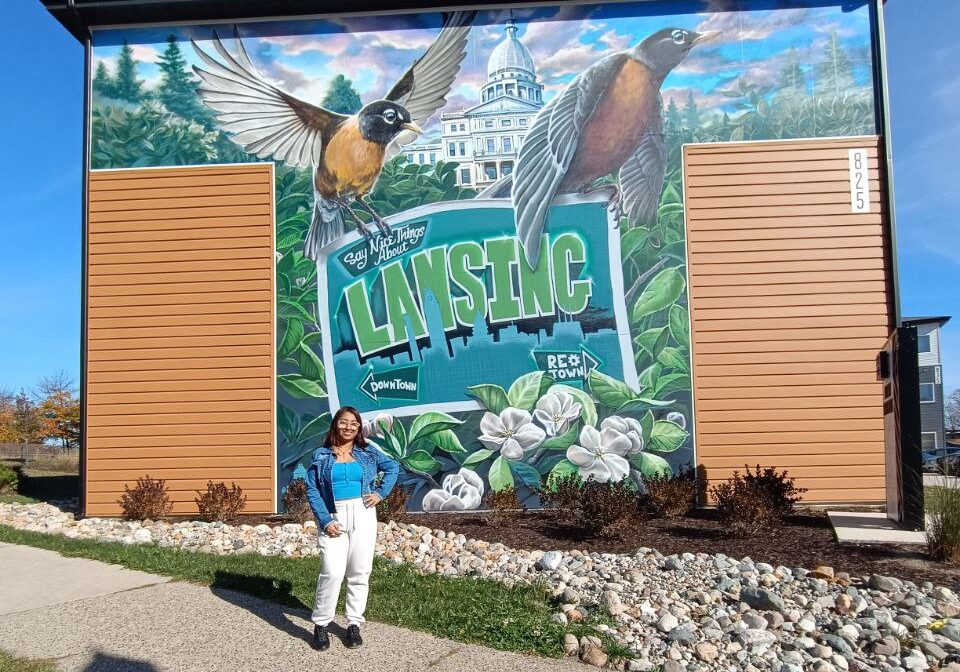
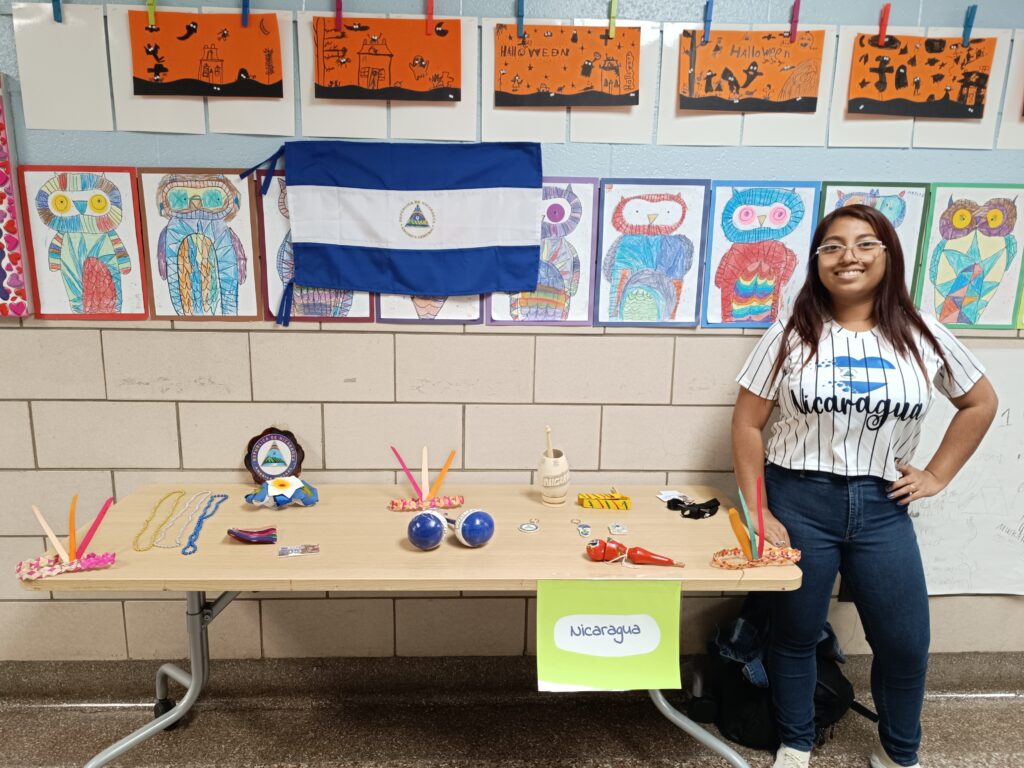
The rich tapestry of U.S. classrooms is increasingly woven with the threads of diverse international experiences. International teachers bring not only vital skills and expertise but also unique cultural perspectives that enrich the educational landscape. Today, we share the inspiring story of Karolina Bonilla, a dedicated educator from Managua, Nicaragua, who found her calling in Lansing, Michigan, through International Alliance Group (IAG). Her journey highlights the profound impact that international teachers have on U.S. schools and the invaluable role IAG plays in facilitating these life-changing experiences.

Karolina’s Story

Karolina Bonilla, a passionate 4th-grade teacher, embarked on a remarkable adventure when she joined the Spanish Immersion Program at Lewton School in Lansing, Michigan. Driven by a desire for new challenges and a thirst to immerse herself in a different culture, Karolina sought to expand her horizons beyond her native Managua, Nicaragua.

“I wanted to teach in the USA to have new challenges and to learn a new culture,” Karolina shares. “My IAG experience has been great; I wouldn’t have had this opportunity without them.”

Karolina’s experience underscores the transformative power of international exchange in education. She not only brings her pedagogical expertise to her students but also serves as a cultural bridge, fostering understanding and appreciation for diversity within her classroom and the broader school community. Her ability to connect with students through a Spanish Immersion program shows the importance of bilingual teachers in todays classrooms.

From navigating the complexities of visa processes to providing ongoing support and guidance, IAG ensured a smooth transition for Karolina, allowing her to focus on what she does best: teaching.

The Impact of International Teachers

Karolina’s story is a testament to the significant contributions international teachers make in U.S. schools. They:

  • Enrich Cultural Understanding: International teachers bring diverse perspectives that broaden students’ horizons and promote global awareness.
  • Bring Expertise in High-Demand Fields International teachers offer specialized knowledge and certifications in key subjects. This allows schools to strengthen academic programs like SPED,STEM and particularly bilingual education, where they provide authentic linguistic and cultural immersion.
  • Enhance Language Proficiency: Bilingual teachers provide essential support for English Language Learners and strengthen language programs.
  • Foster Global Competence: They prepare students to thrive in an increasingly interconnected world.

Karolina’s story is a reminder of the profound impact that dedicated educators can have, transcending borders and building bridges of understanding.

If you’re an international teacher seeking new challenges or a school district looking to enrich your classrooms, International Alliance Group can help you realize your goals. Are you an international teacher ready to embark on a life-changing journey? Or a school district looking to enrich your classrooms with global talent? Contact us today to learn more.

Form for teachers here

Form for School Districts here.

This blog was written by Global Workforce Development, powered by IAG, an organization dedicated to creating international job opportunities for professionals. 

07Apr

How International Teachers Can Shape the Future of U.S. Schools 

As an international teacher in the United States, I’ve experienced firsthand how professional development, leadership opportunities, and a supportive school district can empower educators to make a profound impact in the classroom. My journey, from my first year in a U.S. school to taking on multiple leadership roles, demonstrates how international teachers, with the right support, can thrive and lead in the U.S. educational system. 

Throughout my time as a 7th and 8th grade math teacher, I took on several leadership roles simultaneously, and each experience has contributed to my growth as an educator and leader. Today, I want to share how international teachers, like myself, can not only adapt but also lead and transform educational practices in U.S. schools. 

1. My First Year: Learning and Growing with District Support 

When I first arrived in the U.S. as an international teacher, I was excited but also a bit apprehensive about adjusting to a new educational system. As a 7th and 8th grade math teacher, I quickly realized there would be a learning curve, but I found that the district was deeply committed to my success. 

I was supported through a well-structured induction program that included professional development, as well as mentorship from my school principal and an instructional coach. This mentorship was crucial in helping me develop a strong foundation in U.S. teaching practices, as well as in adapting my instructional strategies to meet the needs of my students. While balancing my teaching responsibilities, I received ongoing feedback and guidance that allowed me to refine my methods, grow in confidence, and effectively engage my diverse student population. 

The combination of district support and mentorship allowed me to become a more effective teacher and laid the groundwork for my future leadership roles. 

2. My First Leadership Opportunity: English Language Development Coordinator 

Growing up as an English Language Learner (ELL) myself, I understood the unique challenges students face when learning a second language. This personal experience gave me a better perspective on language acquisition, which proved invaluable when I was offered the role of English Language Development (ELD) Coordinator

As a full-time 7th and 8th grade math teacher, I took on this leadership responsibility, helping ensure our ELL students received the appropriate support to succeed academically. The district provided training through the Department of Education and certified me in ELD strategies, which allowed me to work closely with teachers to implement effective language acquisition programs. 

This role also gave me the opportunity to advocate for ELL students, creating strategies to enhance their learning experience while also offering guidance to other teachers on how to better support these students in the classroom. As someone who had navigated the ELL experience myself, I was able to bring empathy, expertise, and practical approaches to my colleagues, making a meaningful impact both in the classroom and across the school. 

3. Driving Student Achievement: Leading School Testing and Data-Driven Improvement 

Alongside my teaching duties, I was also appointed School Testing Coordinator, a role that involved ensuring our school met state and district testing requirements. Balancing this responsibility with my math teaching duties was challenging but also incredibly rewarding. 

In this position, I not only managed the logistics of standardized testing but also facilitated data analysis sessions with teachers, administrators, and instructional staff. We reviewed student achievement data, identified areas for improvement, and had conversations about how to adjust instruction and create School Improvement Plans based on the data. 

By working with over 30 teachers to interpret and act on testing data, I was able to lead school-wide efforts to improve student performance, particularly in preparing students for state assessments. This role was an important part of my leadership journey, as it reinforced my belief in the power of data to drive educational decision-making and improve outcomes. 

4. Fostering Collaboration: Leading Multi-Tiered Support and Targeted Interventions 

One of the most impactful roles I took on was being part of the Multi-Tiered Systems of Support (MTSS) team. In this capacity, I worked collaboratively with administrators, counselors, and other educators to ensure that students received the appropriate level of support based on their individual needs. 

As part of the MTSS team, I contributed to identifying students who were struggling academically, behaviorally, or socially and helped design interventions tailored to meet those needs. This included organizing and analyzing data from both academic performance and behavior assessments to ensure that students were getting the right kind of support—whether that meant additional instructional time, social-emotional support, or behavior interventions. 

By participating in MTSS, I saw the direct impact that targeted, tiered interventions can have on student success. I also learned how critical it is to approach each student as an individual, offering a range of supports to help them succeed. This experience deepened my belief in the power of data-driven decisions and collaboration in ensuring every student’s needs are met. 

5. Leading Professional Learning Communities (PLCs) 

As my leadership roles expanded, I had the opportunity to lead Professional Learning Communities (PLCs), which focused on vertical collaboration in math and reading. These initiatives were crucial in ensuring that our teaching strategies were aligned across grade levels, enabling students to build foundational skills year after year. 

In addition to teaching math, I led regular PLC meetings where teachers from various grade levels came together to share strategies, analyze student data, and collaborate on instructional methods. This experience helped me further develop my leadership skills while strengthening the professional community within our school. 

Leading these PLCs not only demonstrated the value of collaboration in improving student outcomes, but it also gave me the chance to model the kind of teamwork and continuous professional growth that I believe is essential for educational success. 

6. Becoming an Instructional Coach 

My most recent leadership role has been serving as an Instructional Coach on my campus. As a 7th and 8th grade math teacher, I worked closely with my colleagues to support them in refining their teaching practices, analyzing student data, and implementing best instructional practices. 

In this role, I provided one-on-one coaching sessions, facilitated professional development, and guided teachers through effective lesson planning and classroom management. Working as an instructional coach allowed me to leverage my experience as both a teacher and a leader, helping other educators grow while also improving my own teaching practices. 

Becoming an instructional coach was the culmination of years of hard work, training, and leadership experience. It further reinforced my belief that international teachers are not only capable of adapting to a new educational system, but that they can thrive and lead in it, ultimately making a profound impact on their schools. 

International Teachers as Leaders 

My journey, balancing the responsibilities of a full-time math teacher with leadership roles in ELD coordination, school testing, MTSS, PLCs, and instructional coaching, has shown me how international educators can rise to leadership positions and make a significant impact. With the right support, professional development, and opportunities, international teachers can grow into leaders who drive positive change within their schools. 

International teachers bring unique perspectives, experiences, and insights that are invaluable in U.S. schools. By becoming leaders in a variety of capacities—whether in instructional leadership, data-driven decision-making, or collaborative initiatives—international teachers can help shape the future of education in their schools and contribute to the academic success of their students. 

This blog was written by Global Workforce Development, powered by IAG, an organization dedicated to creating international job opportunities for professionals. 

03Apr

Building Bridges: Effective Solutions for Schools with International Teachers

As a middle school math teacher from México now working in the U.S., I’ve seen the challenges schools face up close. Whether it’s a growing need for more inclusive practices, or the increasing diversity of student populations, schools across the country are navigating complex issues. 

My experience within both the Mexican and American educational systems has given me a unique perspective on how international teachers can help schools overcome these challenges and create thriving learning environments.

1. Infusing Global Expertise into Core Subjects

Schools are always seeking to enhance learning in foundational areas like math, science, and bilingual education. International teachers contribute to this goal by bringing a wealth of global experience and specialized knowledge.

When I joined my district, I was excited to share my years of experience and passion for teaching with the middle school math program. International teachers arrive ready to meet high standards, bringing deep subject-matter expertise and a dedication to fostering a dynamic learning environment for their students.

2. Supporting Diverse Student Populations 

American classrooms are more diverse than ever, with students from a wide range of cultural, linguistic, and socioeconomic backgrounds. While this diversity enriches learning, it also creates new challenges for schools. 

As a Spanish-speaking teacher, I’ve been able to connect with students and families in ways that others might not be able to. My presence in the classroom not only helps Spanish-speaking students feel seen and understood but also fosters a greater sense of inclusion for all students. 

How International Teachers Help: 

  • Language support: Bridging gaps for students learning English and helping them succeed academically. 
  • Cultural connections: Creating a welcoming environment for students from immigrant families. 
  • Representation: Inspiring students by showing them that success is possible regardless of where they come from. 

3. Addressing Gaps in Family Engagement 

For schools, building strong relationships with families is critical to student success. Yet, language and cultural barriers can make it difficult for some parents to feel fully involved in their children’s education. 

As an international teacher, I’ve been able to act as a bridge between families and schools. Whether it’s translating during parent-teacher conferences or participating in district outreach programs, I’ve helped families feel more connected and empowered to support their children’s learning. 

Impact at the District Level: 

  • Improved communication: Families are better informed about their children’s progress and school expectations. 
  • Increased trust: Parents feel valued and understood, strengthening the school-community relationship. 
  • Greater participation: Families are more likely to attend events and engage with school programs. 

4. Navigating Curriculum and Standards 

Adapting to the U.S. educational system can be challenging for new teachers, but international educators bring a willingness to learn and adapt. When I first arrived, I worked closely with colleagues to align my teaching practices with state standards and district expectations. 

This adaptability is a hallmark of international teachers—we’re used to navigating change and finding innovative ways to meet curriculum goals. By combining our unique perspectives with local requirements, we bring fresh ideas to the classroom while staying aligned with district priorities. 

The Benefit to Schools: 

  • Creative solutions: International teachers often introduce new teaching strategies and problem-solving approaches. 
  • Collaborative mindset: We’re eager to work with colleagues and share best practices. 

5. Building a More Inclusive School Culture 

One of the greatest challenges schools face is creating a culture where every student feels valued and supported. International teachers play a key role in fostering inclusivity and global awareness. 

In my classroom, I’ve incorporated lessons that highlight the universal nature of math, connecting it to cultural examples from around the world. These lessons not only engage students but also encourage them to appreciate the diversity within their own communities. 

Long-Term Impact: 

  • Global perspective: Students gain a deeper understanding of the world beyond their local environment. 
  • Inclusive practices: Schools become places where diversity is celebrated and respected. 

Partnering with International Teacher Recruitment Programs 

To effectively address these challenges, school districts can partner with companies that specialize in bringing international teachers to the U.S. These organizations handle the complexities of visas, certifications, and cultural orientation, making it easier for schools to welcome talented educators from around the world. 

A Win-Win Solution: 

  • For districts: Access to a pool of highly qualified, motivated teachers ready to meet their needs. 
  • For teachers: Opportunities to share their expertise and make a lasting impact in a new cultural setting. 

Schools today face significant challenges, but they also have incredible opportunities to innovate and grow. As an international teacher, I’ve seen how my presence in the classroom—and in the district—can make a real difference. By bringing in teachers from around the world, schools can not only address immediate needs but also create richer, more inclusive learning environments for their students. 

Let’s work together to overcome these challenges and create schools where every student can succeed. 

This blog was written by Global Workforce Development, powered by IAG, an organization dedicated to creating international job opportunities for professionals. 
01Apr

From Oaxaca to Texas: IAG  International Teacher experience 

Discover how Ilse Torres, an International Teacher from Oaxaca, Mexico, is thriving at Ridgeview Elementary School in San Antonio, Texas. 

What motivated you to teach in the United States, and what aspects of this experience have you found most valuable? 

I decided to teach in the United States first of all because it’s a great opportunity for your professional development, you learn new models, new methods, and you can take all this experience to your home country. Also because of the exposure to the US culture and society, you make friends, a family here and finally I’d say that I love that your salary is based on your educational level and years of teaching experience. 

What aspects of your professional development have you found most rewarding during your time teaching in the US? 

Living and working in San Antonio has provided me with a rich cultural experience. I’ve had the pleasure of immersing myself in American culture and building a second family here. This cultural exchange has broadened my perspective and enriched my life in ways I never imagined. 

Ilse’s story is a testament to the mutually beneficial relationship between international teachers and U.S. school districts. With IAG’s support, educators like Ilse thrive, bringing valuable skills and cultural perspectives to American classrooms, while districts gain access to highly qualified professionals. 

If you are a dual language teacher looking for professional growth and a rewarding experience, we invite you to explore the opportunities available here.

This blog was written by Global Workforce Development, powered by IAG, an organization dedicated to creating international job opportunities for professionals.

25Mar

Benefits & Mythbusting of International Teachers in US Schools

As an international teacher in the United States, I’ve witnessed the challenges and misconceptions surrounding international educators in US schools. Today, I’ll debunk common myths and highlight the incredible benefits international teachers bring to school districts.  

Myth 1: International teachers don’t understand how the U.S. education system works. 

Reality: It is true that the U.S. education system has its unique features, from academic standards to the expectations of parents and administration. However, international teachers are highly trained professionals, many of whom have worked in other complex educational systems in their home countries.

Furthermore, school districts provide an induction and training program for all new teachers to the district, which is enough to ensure that international teachers understand the essential aspects of the U.S. education system at the outset, from academic standards to the use of technology in the classroom. 

What is often not mentioned is that international teachers, coming from diverse educational contexts, can bring new ideas and innovative approaches that enrich the classroom. Many bring with them different teaching methodologies that may be more inclusive or better adapted to the cultural and linguistic diversity of students. This flexibility and creativity become a value-added component that goes beyond simple adaptation to the system. 

Myth 2: International teachers are not able to handle the cultural diversity in U.S. classrooms. 

Reality: Cultural diversity is one of the most notable features of the U.S. education system, and precisely for this reason, international teachers often have an advantage. Many of us come from countries with rich cultural and linguistic diversity, which has prepared us to work in classrooms with students from different backgrounds, with various skills and needs. 

Additionally, international teachers bring a global perspective that can be valuable in promoting intercultural understanding among students. The ability to navigate situations where different cultures and experiences are mixed is one of our strengths, and working in the U.S. gives us the opportunity to share our experiences and enrich students’ global awareness. It’s also worth mentioning that we are representatives of a culture and a country. This representation directly impacts and inspires inclusion in the classroom, as it makes the classroom leader (the teacher) a real-life ambassador of diversity. 

Myth 3: International teachers have difficulty communicating with U.S. students and parents due to language barriers. 

Reality: While it’s true that some international teachers may have an accent or face difficulties initially, many are fluent in English or have received language training before arriving. Many countries, like my own, México, have a culture that encourages learning at least one second language, and in most cases, that second language is English, as the U.S. is one of our neighboring countries. Additionally, English is taught as a second language from grade 7 through 12 in most schools. 

On the other hand, the ability to speak other languages is a significant advantage, especially in districts with multilingual student populations. This not only helps teachers communicate better with students but also engage with parents who speak languages other than English. In many cases, international teachers become a vital bridge between families and the school, promoting greater inclusion and understanding. 

Myth 4: International teachers have difficulty integrating into the U.S. school environment. 

Reality: Adapting to a new culture and work environment always presents challenges, but international teachers are resilient and highly motivated professionals. Moreover, international teachers are often very committed to their work because they have made the conscious decision to move to another country to pursue their vocation. This commitment and passion for teaching not only benefits students but also creates a stronger connection with colleagues and families.

Over time, integration into the school environment becomes natural, and many international teachers become key figures within their communities. 

Myth 5: International teachers are less effective than local teachers. 

Reality: It is not a teacher’s nationality that determines their effectiveness, but their dedication, teaching skills, and ability to adapt to students’ needs. International teachers, like local ones, are subject to performance evaluations, and many have strong academic training and teaching experience. 

In fact, studies have shown that international teachers can bring innovative pedagogical approaches and fresh perspectives that help improve educational quality in the classroom. From my personal experience, being an international teacher has pushed me to be more flexible and to seek creative solutions to address the diverse needs of students.

Having a global perspective helps me constantly question my teaching practices and seek support/collaboration to apply them. Not in a methodology based on the country of origin, but one focused on the specific needs of each student and the strategic use of available resources. This not only benefits my students but also enriches me as a professional. 

The adaptation of international teachers to the U.S. education system may present some challenges, but it also offers a great opportunity for both educators and school districts. The key to success lies in providing the right support and recognizing the value that international teachers bring to the classroom. Rather than seeing adaptation as an obstacle, we should view it as an opportunity to enrich the educational process, offering students a more diverse, inclusive, and global education. 

In the end, both international teachers and school districts share the same goal: to provide a quality education that prepares students for an increasingly interconnected world. And it is precisely this global connection that international teachers can help foster, creating a broader, more diverse, and enriching learning environment. 


This blog was written by Global Workforce Development, powered by IAG, an organization dedicated to creating international job opportunities for professionals.

20Mar

J-1 Visa for Teachers: How to network & develop professionally in the US 

Welcome to your journey toward teaching in the United States! The J-1 Visa program offers an incredible opportunity for international teachers to gain valuable experience, share their culture, and enhance their professional skills. While the teaching experience itself is rewarding, maximizing your time in the U.S. involves more than just classroom teaching. Networking and professional development play a crucial role in making your J-1 experience truly transformative. Here’s how you can make the most of these opportunities, with a few personal experiences along the way. 

1. Build a Strong Professional Network 

Attend Educational Conferences 

Throughout the academic year, numerous conferences and workshops take place across the U.S. I attended the Kagan Structures conference, which introduced me to innovative cooperative learning strategies that I immediately implemented in my classroom. I also found great value in the New Teacher and Building Thinking Classrooms conferences, where I connected with fellow educators and gained fresh insights into effective teaching practices. These experiences not only enhanced my teaching but also expanded my professional network significantly. 

Join Professional Organizations 

Consider joining professional associations related to your subject area or education in general. I became a member of the National Education Association (NEA) and the Association for Supervision and Curriculum Development (ASCD). These memberships provided me access to invaluable resources, networking opportunities, and local workshops. Connecting with other educators through these organizations opened doors to mentorship and collaborative projects. 

Connect on Social Media 

In today’s digital age, social media platforms like LinkedIn and YouTube can be powerful tools for networking. On LinkedIn, you can connect with educators, join relevant groups, and participate in discussions to gain insights into teaching trends. YouTube is a fantastic resource for professional development; simply search for topics like “classroom management” or “differentiated instruction,” and you’ll find a wealth of videos that can inspire and inform your practice. Engaging with these platforms has helped me stay updated and learn from the experiences of others.It’s always good to debrief this new knowledge with other experienced educators too ! 

2. Engage in Professional Development 

Attend Workshops and Seminars 

Many schools and educational institutions in the U.S. offer workshops and seminars for teachers. Do not doubt on attending those! My school hosted a series of professional development sessions on project-based learning. I eagerly attended these workshops and implemented what I learned in my classroom, resulting in a significant boost in student engagement. The collaborative environment also allowed me to share my own strategies, further enriching the experience for everyone involved. 

Pursue Online Courses 

Consider enrolling in online courses to further your education while in the U.S. I took a course offered through the State Department of Education website on differentiated instruction, which not only enhanced my teaching skills but also helped me tailor my lessons to meet diverse student needs. The course project allowed me to design a unit plan that I implemented in my classroom, receiving positive feedback from both students and colleagues, and administrators.  

Seek Mentorship 

Don’t hesitate to reach out to experienced colleagues for mentorship. I approached a veteran teacher in my school who had extensive experience with English language learners. Her guidance was invaluable; she provided me with strategies to support my students and introduced me to a local educator who later became a mentor as well. This relationship has been instrumental in my professional growth.  

3. Embrace cultural exchange 

Share Your Culture 

As a J-1 teacher, you are in a unique position to share your culture with your students and colleagues. I organized a “Cultural Day” at my school where I shared traditional food, music, and stories from my home country. The event fostered cross-cultural understanding and helped me build deeper connections within my school community. Students who participated left with a greater appreciation for diversity. 

Collaborate with Local Educators 

Engage with local teachers in collaborative projects. I partnered with a local English Language Arts teacher to create an interdisciplinary unit that combined math and writing. We designed a project where students calculated the area of different shapes and then wrote descriptive narratives about their designs. This collaboration not only enhanced our students’ learning but also deepened our professional relationship. 

4. Stay Informed 

Subscribe to Education Journals 

Staying current with educational research and trends is crucial for your professional development. I subscribed to Edutopia, a website that offers articles, videos, and resources on various educational topics. The insights I gained from Edutopia helped me develop more inclusive lesson plans and engage my students in meaningful discussions about diversity and equity. 

Follow Educational Blogs and Podcasts 

There are countless blogs and podcasts dedicated to education. If you have specific concerns or topics you’re interested in, simply type them into a search engine alongside “educational blog” or “educational podcast,” and you’ll likely find a video or article that addresses your needs. This has been a valuable resource for me; I’ve found tips on everything from classroom management to integrating technology, all by exploring what others have shared. 

Ready to take as much as possible from this experience? 

Maximizing your J-1 experience goes beyond the classroom. By actively networking and seeking professional development opportunities, you can enhance your skills, build lasting connections, and create a fulfilling experience during your time in the U.S. Embrace every moment, share your unique perspective, and let this journey shape not only your teaching career but also your personal growth. 

Happy teaching, and welcome to a world of opportunities! Find out more here.


This blog was written by Global Workforce Development, powered by IAG, an organization dedicated to creating international job opportunities for professionals.

17Mar

How Latin American Teachers lead & transform US education 

When you think of leadership in schools, images of principals or administrators often come to mind. But what if we told you that some of the most transformative leaders in U.S. schools today are stepping into classrooms. Latin American teachers bring a powerful, unique form of leadership grounded in resilience, cultural awareness, and innovation. Their impact reaches far beyond instruction, shaping school policies, classroom practices, and community dynamics. 

Latin American teachers often lead through lived experiences, bridging gaps that other educators may not even see. Research shows that educators with diverse backgrounds significantly enhance student outcomes and drive systemic improvements. 

Resilience as Leadership: strength in adversity 

Imagine navigating a new culture, mastering a second language, and thriving in an unfamiliar educational system—all while maintaining high professional standards. This is the journey of many Latin American teachers. Their resilience shapes their leadership style, creating classrooms that celebrate perseverance and grit. 

This mindset translates directly to students. When students see their teachers succeed against odds, they’re inspired to adopt a similar approach to their own challenges. Schools led by educators with this perspective report higher student engagement and better problem-solving skills in academic settings. 

Leadership beyond the classroom: advocates for equity 

Latin American teachers excel in turning personal experience into advocacy. Having firsthand insight into systemic barriers, they often become champions of equity within their schools. They advocate for policies that support underserved populations, particularly in programs like English Language Learning (ELL) and Social-Emotional Learning (SEL). 

For example, in one urban school district, Latin American educators successfully campaigned for curriculum adjustments that incorporated multicultural literature. This shift not only reflected their students’ experiences but also improved comprehension scores by 18%. 

Their advocacy isn’t limited to policies. They actively lead initiatives that make learning environments more inclusive, from organizing cultural appreciation days to mentoring younger staff on culturally responsive teaching methods. 

A Fusion of Global insights and Local Impact 

Latin American teachers bring cross-border insights that enhance U.S. educational practices. Take the example of their unique instructional strategies, such as “talleres,” which prioritize collaborative problem-solving and hands-on learning. This methodology encourages students to think critically and work collectively, fostering skills essential for 21st-century success. 

When these methods are combined with the demands of U.S. standards, the result is a dynamic classroom where innovation thrives. Students learn not only academic content but also collaborative and analytical skills that prepare them for college and careers. 

Building bridges: Community-Centric Leadership 

For Latin American teachers, leadership isn’t confined to the school walls. Their deep connections to culture and community make them natural liaisons between families and schools. 

Through culturally sensitive communication and inclusive events, they foster stronger family involvement. This engagement leads to holistic student success—academically, socially, and emotionally. Schools with such initiatives report higher parent satisfaction and increased student attendance rates, both of which correlate strongly with improved academic outcomes. 

Harvard Family Research Project Finding: Schools that prioritize community involvement see a 50% improvement in student achievement metrics, with culturally responsive educators driving much of this success. 

Redefining Leadership, Redefining Success 

Latin American teachers bring a transformative energy to U.S. schools. Their resilience inspires students, their advocacy reshapes policies, and their cultural insights enrich instruction. These educators redefine what it means to lead, proving that leadership isn’t confined to titles but demonstrated through impact. 

In a world that demands inclusive, innovative, and empathetic leadership, Latin American teachers stand out as invaluable assets to our schools and communities. Their contributions ensure not just academic success but the creation of environments where every student—and every teacher—has the opportunity to thrive. 


***This blog was written by Global Workforce Development, powered by IAG, an organization dedicated to creating international job opportunities for professionals.