23Mar

Spring Without Borders: How International Teachers Share the Essence of Home

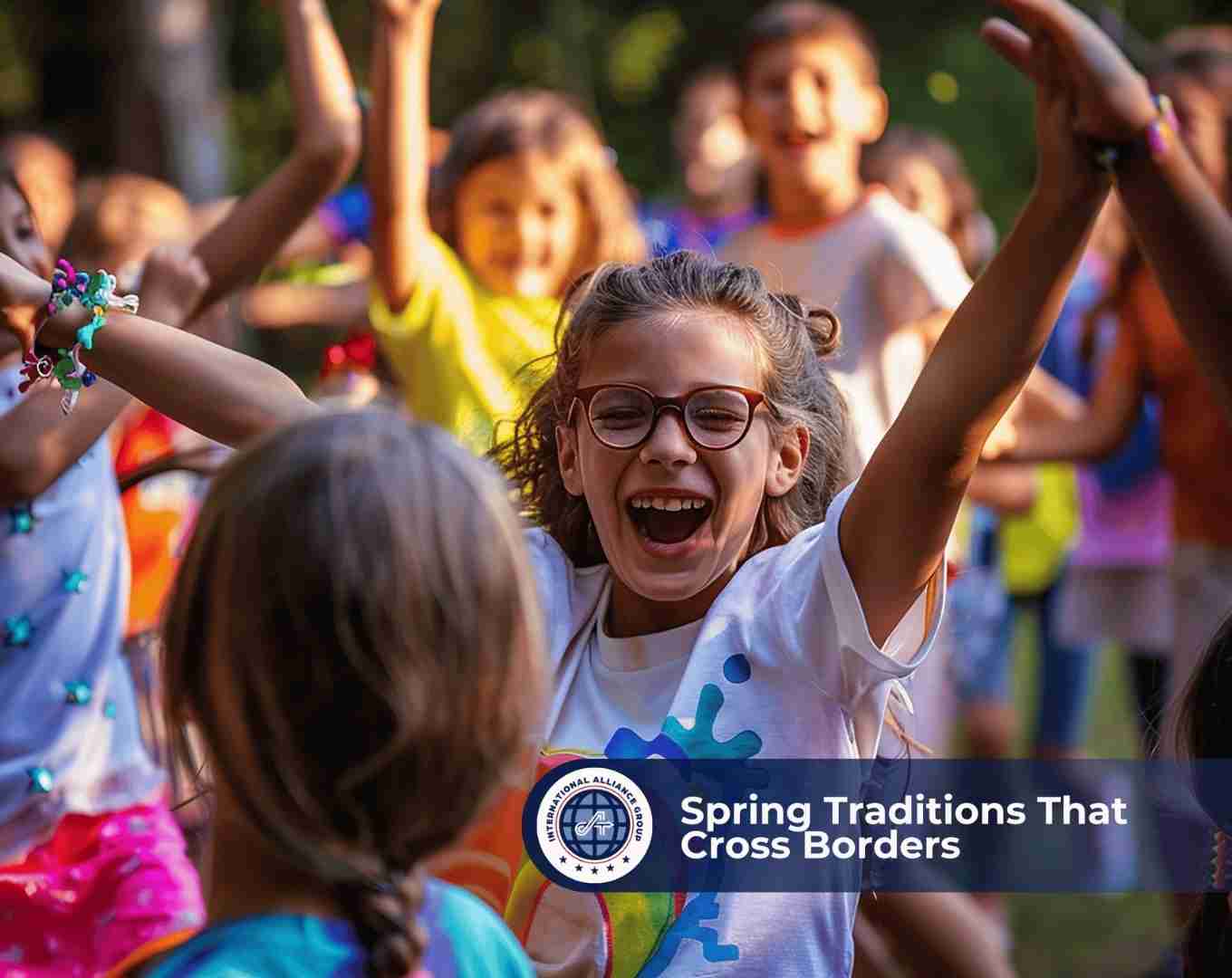
As the winter chill fades and the first buds appear on the trees, a sense of transformation fills the air. March 20th marks the Spring Equinox, a universal symbol of new beginnings, hope, and growth. In the world of international education, spring is more than just a change in weather; it is a milestone in the cultural exchange journey

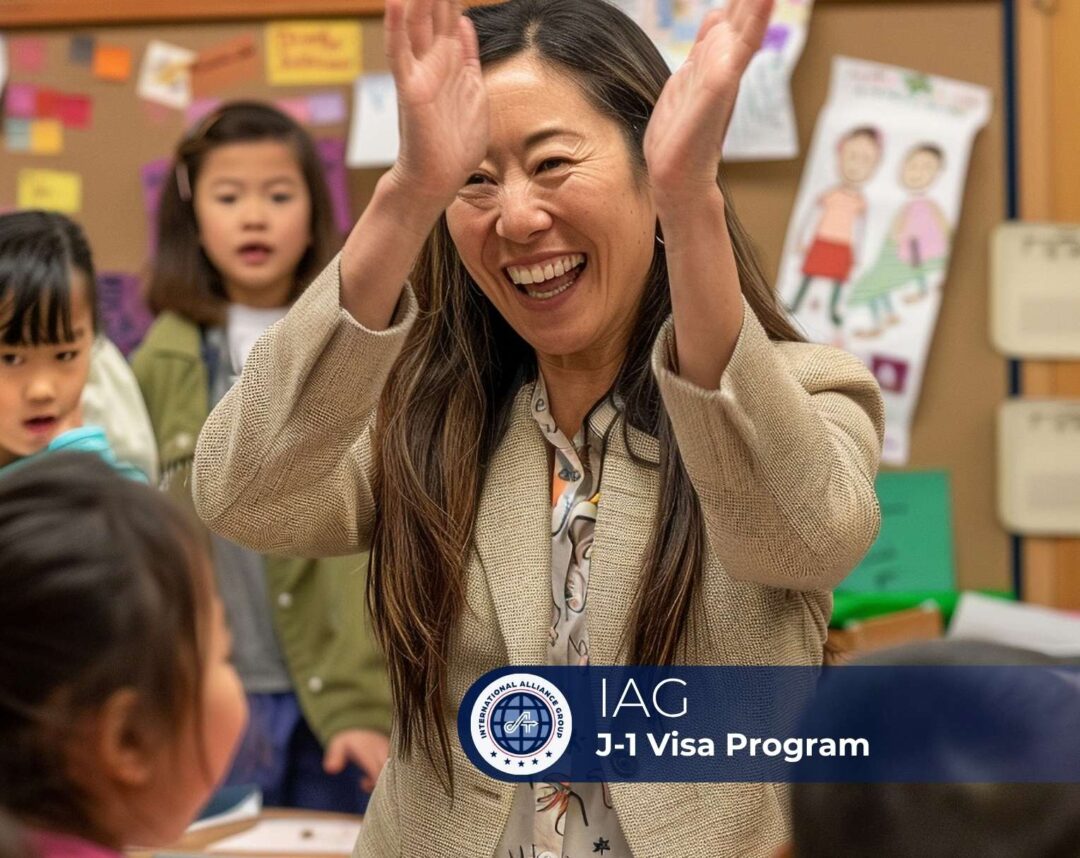
At International Alliance Group (IAG), we see this season as the perfect opportunity to turn the classroom into a vibrant “Cultural Fair.” It’s a time for J-1 Visa Program teachers to share how their home countries welcome the renewal of life, creating a bridge of understanding through the colors, sounds, and stories of spring. 

Global Traditions: From Ancient Pyramids to Flower Parades 

Every culture has a unique way of saying “hello” to the sun. When international teachers share these traditions, they aren’t just giving a history lesson; they are inviting their students to see the world through a different lens. 

  • Mexico: The Descent of the Serpent. In Mexico, the spring equinox is a spiritual and architectural marvel. Teachers often share the story of Chichén Itzá, where the ancient Mayans designed a pyramid so that, on this exact day, the sun creates a shadow that looks like a feathered serpent descending the stairs. It’s a powerful lesson in history, astronomy, and the deep connection between culture and nature. 
  • The Philippines: Panagbenga, the Season of Blooming. While the Philippines is a tropical paradise, the month of March kicks off the famous Panagbenga Festival in Baguio City. The word itself means “a season of blooming.” Teachers share the vibrant energy of floral floats and traditional dances that celebrate the resilience and beauty of the land. It’s a lesson in gratitude and the joy of community. 
  • The Southern Hemisphere: The September Memory. Teachers from countries like Argentina or Colombia bring a fascinating “reverse” perspective. While the U.S. celebrates spring now, they share memories of their Día de la Primavera in September. This contrast helps students understand the wonders of our planet’s geography and how, somewhere in the world, someone is always experiencing a “new beginning.” 

The “Exchange” Angle: Blooming Together 

Just as nature blooms in the spring, the relationship between an international teacher and their students reaches a special maturity during this season. By March, the initial “getting to know you” phase has turned into a deep, rooted connection. 

The classroom “Cultural Fair” becomes a space where students might wear traditional floral crowns, listen to folk songs about renewal, or plant seeds while learning the words for “flower” or “growth” in a new language. These activities foster a sense of global citizenship, showing students that despite our different traditions, we all share the same hope for a bright future. 

A Season to Reflect on Your Journey 

For the thousands of educators currently in the J-1 Visa Program, spring is a time to look back at how much they have grown since they first arrived. Just like a seed that was planted months ago, their impact in the U.S. school system is now in full bloom. 

At International Alliance Group, we believe that every cultural exchange is a story of renewal. We honor the teachers who bring the spirit of their spring to American classrooms, reminding us all that when we share our traditions, our understanding of the world grows more beautiful. 

16Mar

Special Education: How Cultural Exchange Redefines Inclusion 

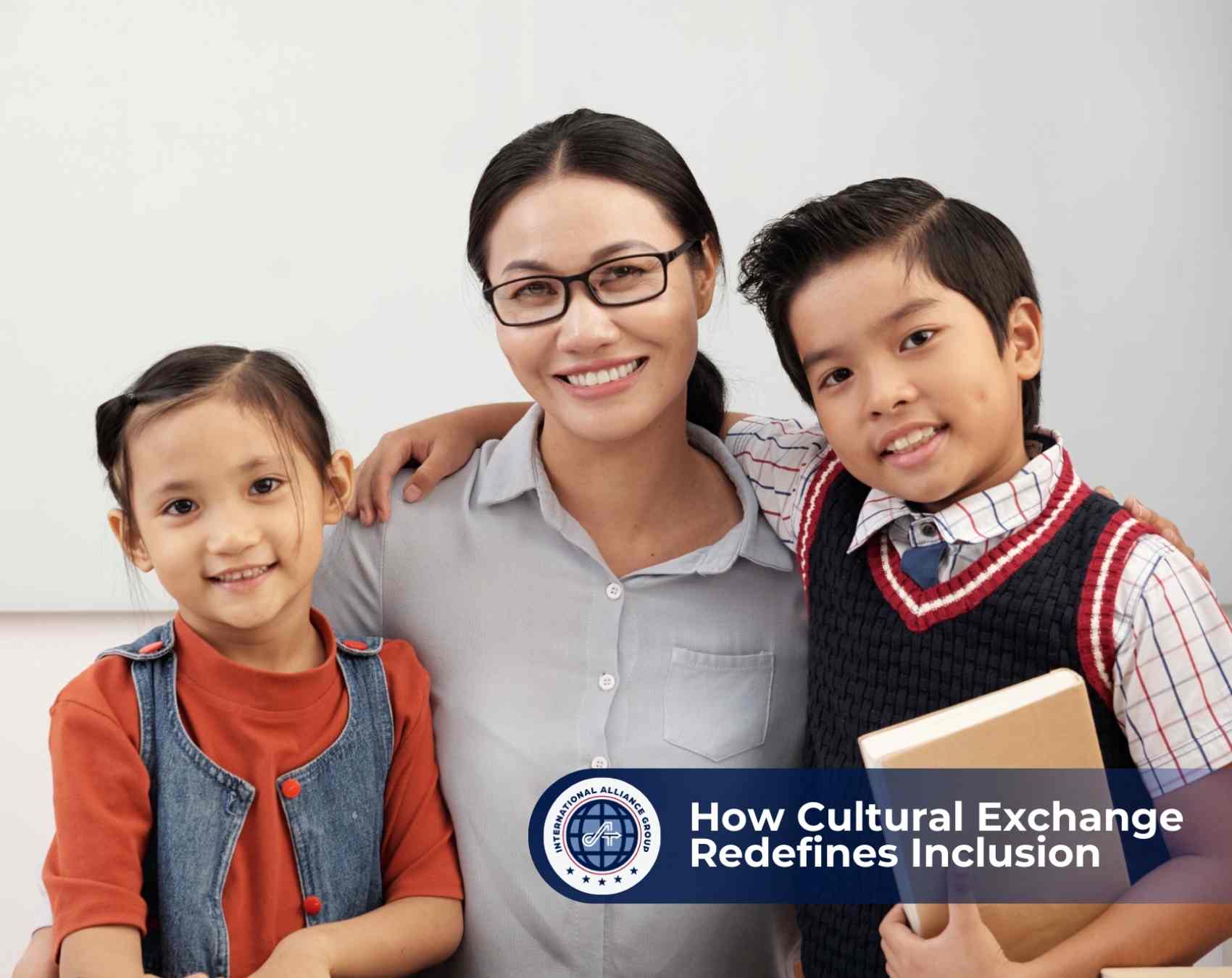
March is Developmental Disabilities Awareness Month, a time to reflect on how we can build more inclusive communities where every individual has the opportunity to succeed. In the world of education, “inclusion” is a goal we all share, but the way we achieve it can be as diverse as the students we serve. 

At International Alliance Group (IAG), we believe that diversity in the teaching staff leads to diversity in solutions. Through the J-1 Visa Program, international special education teachers are bringing fresh, global methodologies into U.S. classrooms, proving that when it comes to supporting students with developmental disabilities, there are no borders. 

A Global Toolkit for Diverse Learners 

Every country has its own history and approach to inclusion. When an international educator arrives in a U.S. classroom, they don’t just bring a curriculum; they bring a unique pedagogical “toolkit” shaped by their home country’s best practices. 

  • Sensory and Emotional Approaches 

A teacher from South America might bring a deeply warm, sensory-focused approach to the classroom, emphasizing emotional regulation through music, rhythm, or community-based tactile activities. In the Philippines, music is more than just an art form; it is a universal language of connection. We see this come to life in the classrooms of our Filipino educators, like Manilyn, who has mastered the art of teaching through music. 

In a Special Education (SPED) setting, rhythm and melody become powerful tools for students. By integrating songs and rhythmic patterns into daily routines, these teachers help students improve their focus, memory, and emotional expression. It’s a harmonious blend of cultural tradition and specialized pedagogy that creates a “rhythm of success” for every child. 

  • Sensory Warmth and Emotional Regulation 

Teachers coming from México and South America often bring a deeply warm, sensory-focused approach to the classroom. In these cultures, the “human touch” and emotional connection are foundational to learning.  

These educators emphasize emotional regulation through community-based tactile activities. Whether it’s using specific sensory textures to calm a student or creating “learning circles” that feel like a supportive family unit, they bring a level of cariño (care and affection) that helps students feel safe enough to take risks in their learning. This focus on the “whole child” is a cornerstone of the international exchange spirit. 

  • Creative Problem Solving 

Many of our international teachers have experience working in diverse environments where resources may be limited. This has turned them into masters of “thinking outside the box.” When a traditional method doesn’t resonate with a student, an IAG teacher might reach into their experience to find a low-tech, highly personalized solution. From creating handmade manipulative tools to inventing new ways to use everyday objects for physical therapy or motor skills, their ability to adapt is a gift to the U.S. school system. They prove that with creativity and a global perspective, there are no barriers to learning. 

Innovation Through Collaboration 

The cultural exchange doesn’t just happen between the teacher and the student; it happens between colleagues. When a U.S.-based SPED team welcomes an IAG teacher, a beautiful “cross-pollination” of ideas occurs. 

U.S. teachers share their expertise in individualized education programs (IEPs) and technology, while the international teacher shares diverse perspectives on behavioral support or social integration. This exchange creates a richer, more robust environment where the ultimate winner is the student. By combining the best of both worlds, we create a specialized education plan that is truly world-class. 

Empowering the Unique Learner 

For a student with a developmental disability, having a teacher who comes from a different background can be a transformative experience. It teaches them—and the entire school community—that being “different” is a global commonality. Seeing a teacher navigate a new language or culture with success and grace serves as a powerful lesson in resilience. It shows students that their own unique way of learning and interacting with the world is not a barrier, but a different way of being part of a global family. 

At the end of the day, inclusion is about making sure every voice is heard and every potential is realized. By fostering Inclusion Without Borders, we aren’t just teaching; we are building a more empathetic world. 

In International Alliance Group, we celebrate the international educators who bring their expertise and their hearts to the SPED classroom. Your unique perspective isn’t just a bonus—it might be the very key that unlocks a student’s future. 

09Mar

Celebrating International Women’s Day in Education  

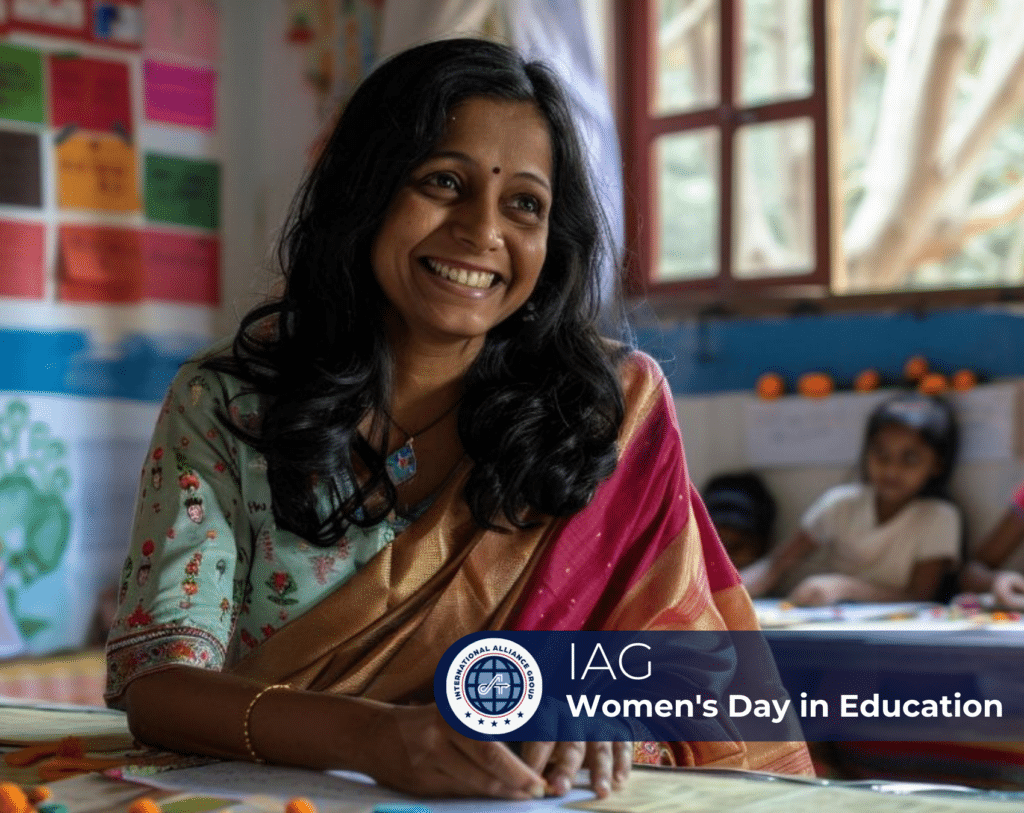
On March 8th, the world pauses to celebrate International Women’s Day, a time to honor the resilience, leadership, and transformative power of women everywhere. In the field of education, this day holds a special significance, especially for the hundreds of women who participate in the J-1 Visa Program. These educators do more than share a curriculum; they cross borders, bridge cultures, and redefine what it means to be a global leader. 

The Bravery of the Journey 

Choosing to become an international teacher is an act of profound dedication. It requires the bravery to leave one’s home, family, and familiar landscapes to embrace the unknown. At International Alliance Group (IAG), we witness this courage every day. 

These women aren’t just traveling to teach; they are pioneers of cultural exchange. By stepping into a U.S. classroom, they bring with them the richness of their heritage and the strength of their personal stories. They prove that while borders may exist on maps, the heart of a teacher knows no boundaries. 

The “Multiplier Effect”: Role Models Without Borders 

One of the most powerful aspects of having a female international educator in the classroom is what we call the “multiplier effect.” When a young student—especially a young girl—sees a woman from another part of the world leading a classroom with expertise, passion, and grace, her own horizon expands. She no longer sees the world as a distant place, but as a space full of possibilities. 

  • Representation Matters: Seeing a female teacher from México, India, or the Philippines successfully navigating a new culture and language teaches students that they, too, can be brave. 
  • Global Perspectives: These educators challenge stereotypes and provide a living example of female empowerment in a global context. 
  • Empathy in Action: By sharing their journey, these women foster mutual understanding, teaching their students that diversity is a strength to be celebrated. 

Education: The Ultimate Tool for Empowerment 

At the core of the J-1 Visa Program is the belief that education is the most powerful tool for change. We honor the women who use this tool to foster peace and cooperation between nations. These educators are not just teaching lessons from a book; they are inspiring the next generation to think beyond their own neighborhoods and to dream on a global scale. 

The impact of a female international teacher is a ripple effect. It starts with a single lesson, grows into a student’s newfound curiosity about the world, and eventually blossoms into a more inclusive and connected society. 

Want to discover the real-life stories behind this impact? 

We invite you to read our previous post: “Voices of IAG: Stories of Courage and Success in the Classroom,” where educators like Isaura from Nicaragua and Jeanie Mae Hernal  from the Philippines share how they’ve seen their students gain confidence and reach for new horizons through the power of cultural exchange. 

Read storie: IAG Teacher Honored: From Nicaragua to Award-Winning Educator

Read storie: The “Classroom Bayanihan” Model: Teaching Collaboration Through Culture 

Read storie: From the Philippines to Detroit: Bridging Cultures Through Science 

At International Alliance Group, we are immensely proud of the women who make our mission possible. To the mentors, the explorers, and the ambassadors of culture: thank you for your dedication. By sharing your global voices, you are creating a local impact that will resonate for years to come. You are not just teaching the future; you are empowering it. 


02Mar

Bringing World Cultures to Life Through Adapted Reading 

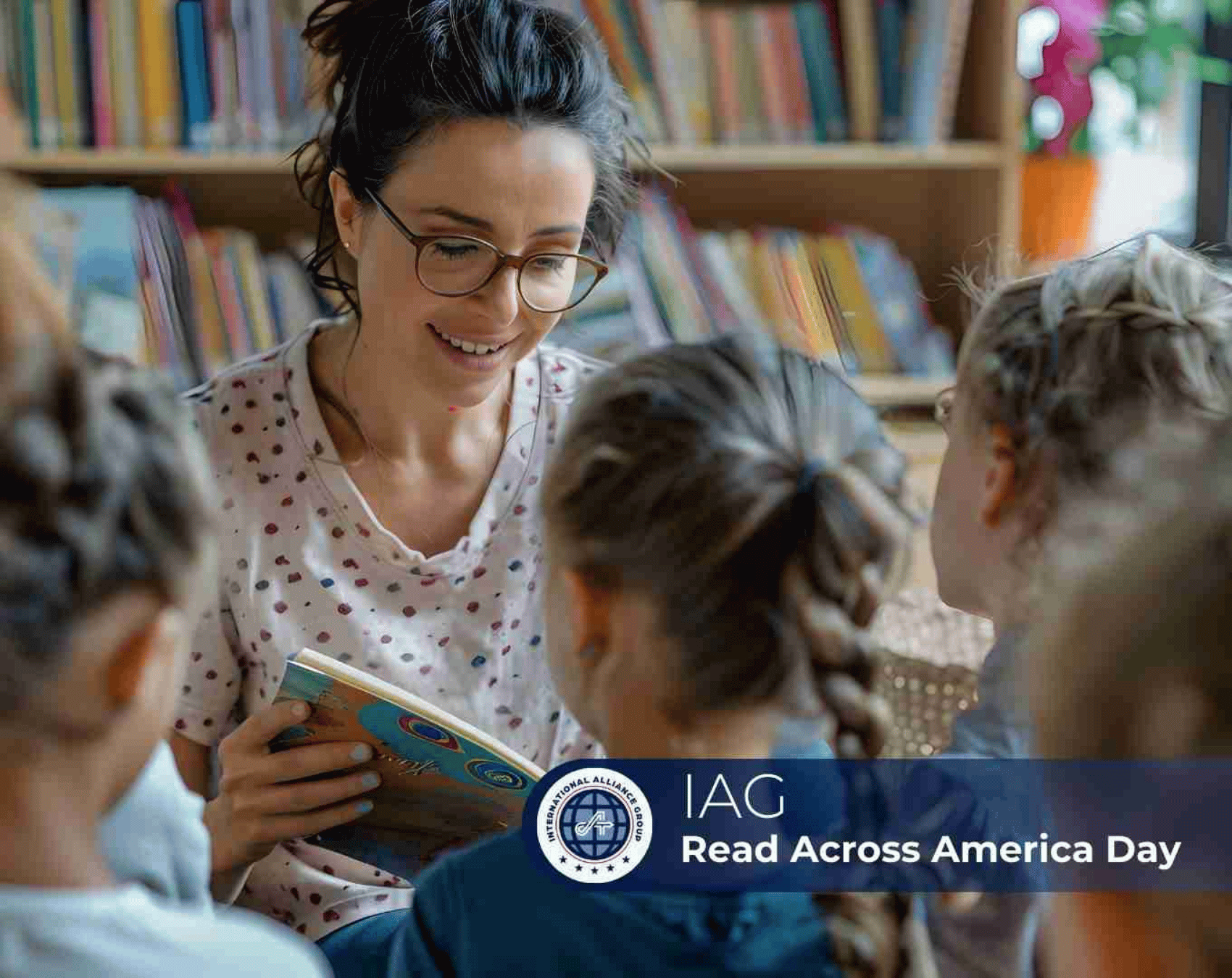
Every March 2nd, classrooms across the United States transform into a sea of red-and-white striped hats to celebrate Read Across America Day. It is a day dedicated to the joy of literacy and the magic of a good book. However, for international educators participating in the J-1 Visa Program with International Alliance Group (IAG), this day represents something even deeper: a chance to turn the classroom into a global stage. 

The Heart of the Exchange: Folklore as a Bridge 

While traditional celebrations often focus on local classics, international teachers bring a unique “Exchange” angle to the table. Imagine a classroom in the U.S. where, instead of a standard story, students are transported to the mountains of Argentina through the legend of the Yerba Mate, or to the vibrant landscapes of Mexico through ancient folk tales. 

These educators aren’t just reading words on a page; they are sharing their world. By bringing their home country’s legends to life, they act as cultural ambassadors, fostering a sense of wonder and global curiosity in their students. This is the true spirit of the cultural exchange—breaking down geographical barriers through the power of narrative. 

Making Literacy Universal Through Adapted Reading 

A hallmark of a great educator is the ability to ensure that every child, regardless of their learning style or ability, can access the magic of a story. International teachers at IAG excel in adapted reading, using creative methods to make complex cultural tales accessible to all. 

To bring these “Stories Without Borders” to life, teachers often use: 

  • Sensory Tools: Incorporating the sounds of traditional music, the scent of spices, or the texture of ethnic fabrics to ground the story in reality. 
  • Visual Symbols and Realia: Using physical objects and icons to help students with different processing needs follow the plot. 
  • Simplified, Rhythmic Language: Destiling deep cultural concepts into clear, engaging language that resonates with young learners and English language learners alike. 

By adapting these stories, teachers demonstrate that literacy is a universal right. They ensure that the message of the story—and the culture behind it—is felt by every heart in the room. 

The Lasting Influence on Young Minds 

The presence of an international teacher changes the way a child sees the world. When a student listens to a story from a different continent, told by someone who calls that place home, empathy grows. They begin to see “different” as “fascinating” rather than “foreign.” 

These educators foster global citizenship from an early age. They show their students that while our languages and traditions may vary, the human experience—the love for a hero, the lesson of a fable, and the joy of a shared laugh—is exactly the same everywhere. 

At International Alliance Group, we believe that every story shared is a seed of understanding planted for the future. As we celebrate Read Across America, we honor the international teachers who go beyond the pages to share their essence, their history, and their passion. When we adapt a story, we aren’t just teaching children how to read; we are teaching them how to connect. This bridge between cultures is the most important story we can ever tell. 

23Feb

Bringing Your Culture to Life: A Guide for J-1 Exchange Teachers 

The true heart of the BridgeUSA program is the role of the Cultural Ambassador. As an international educator with International Alliance Group, you are more than a teacher; you are a living window into another world. Your mission is to weave your cultural heritage into the daily fabric of the U.S. curriculum, fostering a spirit of global citizenship. 

Wisdom from the Heart: Real Exchange Stories 

Our educators are already transforming U.S. classrooms by bringing the “soul” of their home countries into their daily interactions. When you join this exchange, you bring unique models of community and creativity that resonate far beyond the chalkboard: 

The Spirit of Bayanihan with Jeanie Mae Hernal 

Jeanie Mae, a Physics and Astronomy teacher in Colorado, brought a powerful Filipino concept to her classroom: Bayanihan. In the Philippines, this represents community unity—the spirit of neighbors coming together to achieve a common goal. By introducing the “Classroom Bayanihan” model, Jeanie Mae transformed her students from individualistic learners into resilient teammates. She openly shares her heritage, from values like pag-aaruga (nurturing) to sharing traditional foods like lumpia and pancit, sparking a “global curiosity” that makes her students wonder how problems are solved in other parts of the world. 

The Power of Narrative with Krizel Abat 

Krizel has shown that storytelling is a universal bridge that connects hearts. By sharing personal stories and cultural legends, she doesn’t just teach a lesson; she transforms the very atmosphere of the room. Her narratives help students develop deep empathy, allowing them to see the world through her eyes while finding the common threads that unite our shared human experience. 

Confidence Through Lyrics with Azenith Torda

Azenith, a Kindergarten teacher in Missouri, uses the power of song to bridge cultures. In the Philippines, education relies heavily on stories and group activities, and Azenith has seamlessly integrated these into her U.S. classroom. She shares that seeing her students’ faces light up while learning traditional Filipino lyrics is unforgettable. Through music, her young learners have become more confident, asking questions without hesitation and celebrating diversity from an early age. 

Practical Ways to Share Your Heritage: A Multi-Sensory Approach 

Integration doesn’t always require a grand event; it is most powerful when it becomes a natural, daily thread woven into the learning experience. As a Cultural Ambassador with IAG, you can transform your classroom into a global laboratory by engaging students’ curiosity through diverse activities: 

Cross-Cultural Math and Science 

Bring a global perspective to the “hard sciences” by highlighting the global contributions to human knowledge. 


    • The Global Lab: Share how mathematicians or scientists from your home country contributed to universal theories. 


    • Ecosystem Exchange: Use the unique geography, flora, and fauna of your region to illustrate environmental science or biology lessons, turning a standard chapter into a virtual field trip across the world. 

Language, Literature, and Oral Traditions

Introduce students to the sounds and stories that shaped your own childhood. 


    • The Storyteller’s Corner: Share poems and folk tales that resonate with universal themes of growth and humanity. These stories help students realize that while our languages may differ, our fundamental values and dreams are often identical. 


    • Word of the Day: Introduce simple greetings or idiomatic expressions from your native tongue, fostering a playful and respectful curiosity about linguistics. 

Gastronomy and the “Global Kitchen”

When we say food reaches the “heart and mind,” we are talking about how a traditional dish serves as a sensory history lesson. It’s the most accessible form of storytelling.


    • Flavor Diplomacy: While following school safety guidelines, you can share recipes or host “tasting moments.” As Jeanie Mae Hernal does with lumpia and pancit, food can be a starting point for discussions on history, agriculture, and the importance of family meals in your culture. 

Traditional Games and Play 

Play is a universal language that breaks down barriers instantly. Whether it’s a strategy board game, a street game, or a sport, the objective creates a shared reality.


    • Recess Revolution: Teach your students the games you played at their age. Whether it’s a strategy board game, a traditional rhythmic jump-rope, or a group coordination game, play fosters the Filipino spirit of pakikisama (getting along) and collective joy. 

Tactile and Auditory Traditions 

Bring your culture into the room through touch and sound to create lasting memories. 


    • Sensory Immersion: Let students feel the texture of traditional fabrics like piña or batik, listen to the unique rhythm of a native instrument, or try their hand at an ancestral art form. These tactile tools help students visualize and respect life in different parts of the world in a way a textbook never could. 

Celebrations and Daily Rituals

Cultural exchange is often found in the smallest gestures. While major holidays offer grand insights into a culture’s significance, daily rituals—like a shared moment of reflection or a traditional greeting—provide the most consistent ‘window’ into a culture’s daily life. 


    • The Calendar of the World: Mark your home country’s holidays on the classroom calendar. Briefly explain their significance or adopt a small daily ritual—like a specific way of greeting or a moment of reflection—that provides a window into your culture’s daily life. 

The Long-Term Benefit of Exchange 

When students interact daily with a teacher from a different background, their world shrinks in the best way possible. They develop cultural intelligence (CQ)—the ability to relate and work effectively across cultures—which is an essential skill for the 21st century. 

For the educator, this process is a journey of self-discovery. Seeing your own culture through the curious eyes of your students often brings a renewed sense of pride and a deeper understanding of your identity as a global professional. 

How to Start Your Cultural Journey 

Whether you are a specialist in Special Education or a passionate general educator, the path to becoming a Cultural Ambassador starts with your registration. At IAG, we are ready to guide you through the preparation of your professional portfolio to ensure your exchange experience is transformative for both you and your future host community. 

Register Today to Begin Your 2026 Exchange Journey!

16Feb

How International Expertise is Redefining U.S. Special Education 

In the world of Special Education (SPED), the language of inclusion is universal, yet its application varies beautifully across different cultures. Participating in a J-1 Teacher Cultural Exchange offers a unique laboratory for professional growth, where educators from around the world bring their diverse perspectives to the U.S. classroom. This collaboration does more than fill a seat; it enriches the lives of students with diverse needs through a globalized approach to learning. 

The Strategic Benefits of International SPED Expertise 

Bringing international Special Education educators into U.S. schools provides a wealth of benefits that extend far beyond the lesson plan: 

  • Diverse Pedagogical Perspectives: International teachers often bring different philosophies of care and intervention. This diversity helps U.S. schools move beyond “standard” protocols, fostering innovation in how they approach individual education plans (IEPs). 
  • Cultural Competency for Students: Students in special education benefit deeply from interacting with mentors from different backgrounds. This exposure helps them develop social-emotional skills and a broader understanding of the world, which is essential for their integration into a globalized society. 
  • Enhanced Language Support: Many international SPED educators are multilingual, providing an invaluable bridge for English Language Learners (ELL) within the special education system. 

The Power of Shared Methodologies 

When a SPED teacher joins the International Alliance Group (IAG) exchange program, they aren’t just entering a new classroom; they are entering a vibrant, two-way dialogue of pedagogical strategies. This exchange allows for a high-level professional synthesis: 

1. Alignment with U.S. Standards  

By blending their home-country intervention techniques with U.S. legal and educational standards, they create a more robust, multi-layered support system for their students. 

2. Assistive Technology Exchange 

The exchange serves as a bridge for technological innovation. Educators learn and share how different technologies—from advanced speech-to-text tools to specialized sensory equipment—are utilized globally to foster independence in students with disabilities. 

3. Empathetic and Inclusive Classroom Design 

International educators often bring cultural nuances of “patience,” “resilience,” and “collectivism” from their home countries. These values help design nurturing environments that prioritize the student’s holistic well-being alongside their academic goals. 

Your Journey as a Cultural Ambassador 

In this exchange, you are so much more than an educator; you are a Cultural Ambassador and a heart-centered bridge between two worlds. While you bring your specialized expertise to advance the field of Special Education, your most profound impact will be the love, patience, and unique cultural perspective you share with every student. 

By choosing this journey, you are doing something truly brave and beautiful: you are weaving your own story into the lives of your students and their families. You aren’t just exchanging teaching methods; you are planting seeds of global understanding and kindness that will stay in their hearts long after the academic cycle ends. 

Your role is to be a guiding light—showing your students that despite our different backgrounds, the language of care and the commitment to their growth is universal. As you share your culture and professional excellence, you also open your heart to be transformed by the community that welcomes you, completing a circle of mutual respect and lifelong connection. 

Ready to contribute your expertise to a global classroom? Start Your Professional Exchange Profile Today!


09Feb

Mastering the EF SET: A Comprehensive Guide for J-1 Teacher Exchange Applicants 

For international educators, proving English proficiency is a pivotal step in participating in the J-1 Teacher Cultural Exchange Program. While there are several assessment options, the EF SET (EF Standard English Test) has become a preferred choice due to its accessibility, professional rigor, and direct alignment with international standards. 

This guide provides official information and links to help you navigate the EF SET process as part of your exchange journey with International Alliance Group (IAG)

What is the EF SET? 

The EFSET is a standardized English test developed by EF Education First in collaboration with top language assessment experts. It is designed to provide a reliable and professional measure of English proficiency for non-native speakers, making it an ideal tool for educators preparing for a U.S. cultural exchange. 

Key Official Features 

  • 100% Free: There are no costs to take the test or to receive your official certificate. 

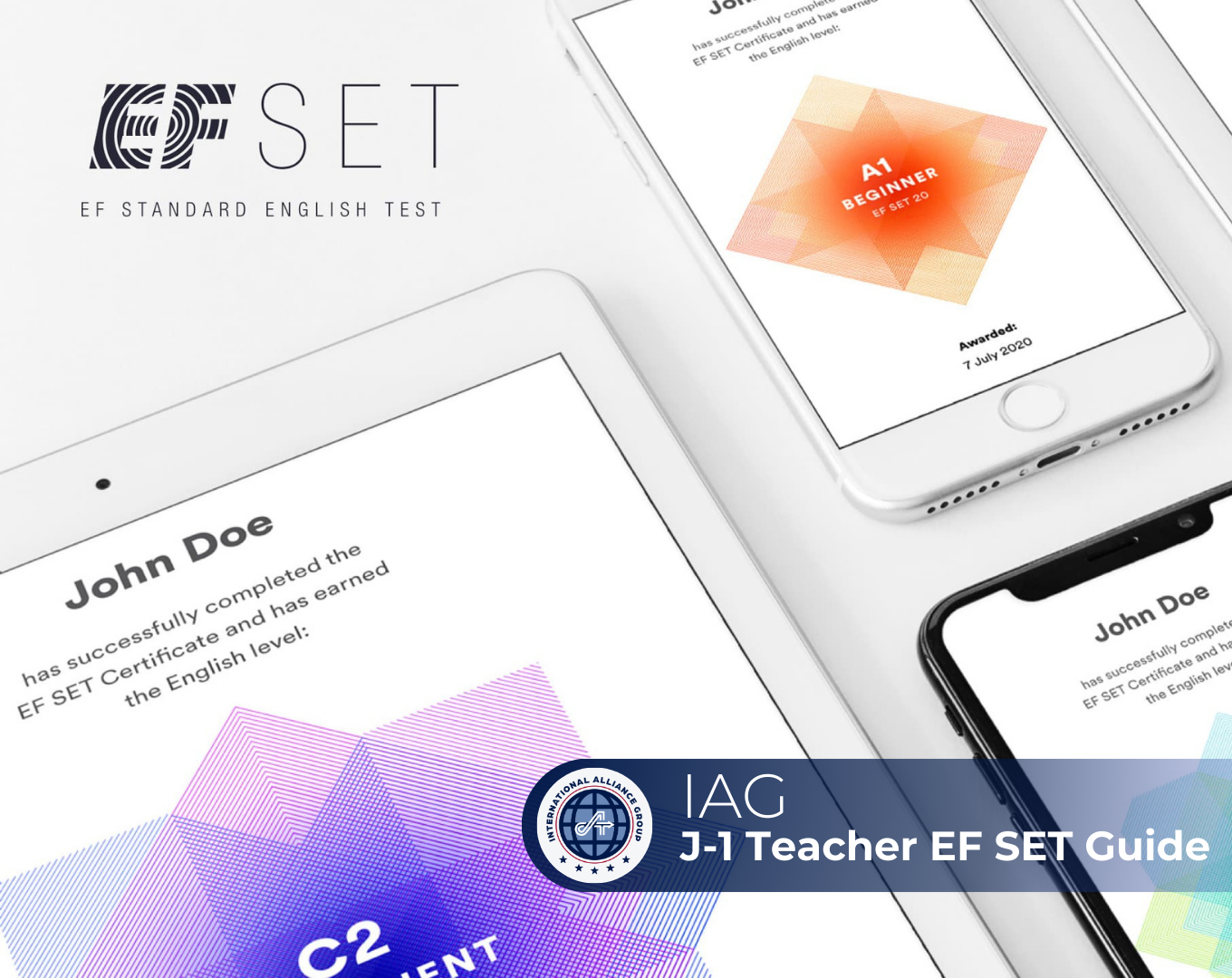
  • CEFR Aligned: Scores are mapped directly to the Common European Framework of Reference for Languages (CEFR), from A1 (Beginner) to C2 (Proficient). 

  • Professional Certification: Upon completion, you receive a personalized digital certificate that is recognized globally. 

The 90-Minute 4-Skill Test: Why It’s Required 

While EF SET offers shorter versions, the 90-minute 4-Skill Test is the comprehensive standard for the J-1 Teacher program. This version ensures you have the necessary fluency to lead a classroom and engage in a deep cultural exchange. 

Test Structure and Duration 

  • Reading (20 minutes): Evaluates your ability to understand professional and academic texts. 

  • Listening (20 minutes): Tests your comprehension of spoken English in various accents and educational contexts. 

  • Writing (35 minutes): Assesses your ability to articulate complex ideas clearly in written form. 

  • Speaking (15 minutes): Measures your verbal fluency, pronunciation, and instructional clarity. 

To ensure you are taking the correct version for your IAG application, please use the official links below: 

How to Succeed: Preparation Tips 

Because the EF SET uses adaptive testing technology, the difficulty of the questions changes based on your answers. This ensures your final score is a highly accurate reflection of your true level. 

  1. Check Your Tech: Ensure you have a stable internet connection and functioning speakers/microphone for the listening and speaking portions. 

  1. Choose a Quiet Environment: Since the test is 90 minutes long and includes speaking, find a space where you will not be interrupted. 

  1. No Preparation Needed: The EFSET is designed to measure your current level. However, taking a few minutes to explore the platform ensures that your score truly reflects your skills by eliminating any “technical surprises” on the day of the assessment. 

The Standard for Success 

For a successful application with International Alliance Group (IAG) and for the J-1 visa program, it is essential to demonstrate at least a B2 level (Upper Intermediate). This level ensures you can communicate complex pedagogical concepts with clarity and engage fully in the depth of the cultural exchange experience. 

Once you complete the assessment, ensure you keep the unique digital URL or download the PDF version of your certificate for your professional records. It is then essential to provide this certificate link to your IAG coordinator during your initial registration to confirm your profile eligibility for the cultural exchange program. 

Ready to Embark on Your Cultural Exchange Journey? 

The path to becoming a global educator and a cultural ambassador starts with a single, decisive step. You do not need to have every document ready today to begin your journey for the 2026 cycle. The most important action you can take right now is to confirm your eligibility and verify your English proficiency. 

At International Alliance Group (IAG), we are looking for dedicated professionals ready to share their culture and instructional expertise in a U.S. classroom. Even if your portfolio is still in progress, starting your registration now allows our team to guide you through the process and help you prepare for a successful exchange experience. 

Take the first step toward your 2026 cultural exchange today! 

02Feb

The J-1 Teacher Toolkit: Mastering Your Essential Exchange Documents

Teaching in the United States through the J-1 Teacher Cultural Exchange Program is a unique professional and cultural opportunity. It allows you to share your heritage and instructional methods while experiencing American culture firsthand. Because this is an exchange program, your documentation must reflect your role as a professional educator and cultural ambassador. 

Before reviewing documents, it’s important to confirm that you meet the basic program requirements. 

J-1 Teacher Program Requirements 

You may qualify for the J-1 Teacher Program if you: 

  • Hold a Bachelor’s degree or higher in Education or a related teaching field. 
  • Completed formal teacher preparation, including supervised teaching practice. 
  • Have at least two years of full-time teaching experience. 
  • Are currently teaching or have taught within the last academic year. 
  • Can demonstrate advanced English proficiency to engage effectively in a U.S. school environment. 
  • Are eligible to participate in a cultural exchange program under U.S. regulations. 

Required Documents  

Below is the complete list of documents required for your participation, focused on your professional journey and cultural eligibility. 

1. Resume / CV and Cover Letter 

Your resume introduces your professional background to U.S. schools. It must: 

  • Be written in English. 
  • Be updated to the current academic year. 
  • Include education, teaching experience, subjects, grade levels, certifications, and languages. 

2. Valid Passport 

Your passport confirms your identity and eligibility for international travel. 

  • Must be valid for at least 3 years, or the maximum allowed by your country. 
  • The biographical page must clearly show your photo and personal information. 

3. Foreign Credential Evaluation (FCE) 

The FCE provides a U.S. equivalency of your academic studies. 

  • Must be issued by a NACES-member evaluation agency. 
  • Include a course-by-course analysis of all college-level coursework. 
  • Show teacher preparation and K–12 teaching practice. 

4. Letter Verifying Full-Time Teaching Experience 

This letter confirms your current professional status as an active educator. 

  • Confirms current full-time classroom teaching experience. 
  • Is issued by your school on official letterhead. 
  • Is signed and dated during the current academic year. 
  • Note: This is an administrative verification, not a recommendation letter. 

5. Professional License or Letter of Good Standing 

This document verifies your eligibility to teach in your home country. 

  • If your country issues a teaching license (like the Cédula Profesional in Mexico), it is required. 
  • Otherwise, a Letter of Good Standing from an education authority may be used. 

6. Approved English Proficiency Assessment 

Mastering the English language is more than just a requirement; it is the foundation of your entire experience as an international teacher. In the U.S. education system, your fluency directly impacts your ability to lead a classroom effectively, explain complex concepts with clarity, and build meaningful relationships with your colleagues and the community. 

Beyond your daily lessons, you will be expected to collaborate in professional meetings, advocate for your students, and maintain open, fluid communication with parents. Because we want you to feel confident in every interaction, demonstrating a high level of proficiency is a critical step in our selection process. 

To ensure you are ready for this journey, you must demonstrate fluency through an approved exam taken within the last two years. Accepted exams include: 

  • TOEFL iBT 
  • Cambridge English (B2 or higher) 
  • EFSET – 90-minute version. You can take the 4-skill comprehensive exam directly through the following link: 

Take the EFSET 90-Minute English Test 

7. Letters of Reference 

Two professional references are required: one from a supervisor and one from a colleague. They must address your teaching ability, professional character, and be dated during the current academic year. 

8. One-Way Interview and Teaching Demonstration 

  • One-Way Interview: A structured video evaluating your professional knowledge and communication skills. 
  • Teaching Demonstration Video: Conducted in English, this showcases your subject knowledge and classroom presence. It does not require a live classroom setting. 

You Don’t Need All Documents to Get Started 

You do not need to have every document ready to begin your application. At the initial registration stage, the focus is on: 

  1. Confirming that you meet the teacher profile. 
  1. Demonstrating your English proficiency. 

Once you register, a recruiter will review your profile and guide you through the next steps, requesting remaining documents only when needed. 

If you’re just getting started, focus on these essentials: 

  • Have your Bachelor’s degree information available. 
  • Confirm your degree includes formal teacher preparation. 
  • Take an approved English test to verify you meet at least a B2 level. You can take the EFSET 90-minute English test for free. 

The IAG Advantage: Total Support Every Step of the Way  

Once you are accepted into the IAG family, we prepare you for success with an intensive orientation program designed to ease your transition into American life. From your first steps at home to your first days in the classroom, our full-circle support system ensures you feel fully supported and excited—a premium level of preparation that sets IAG apart. 

Ready to Start Your Journey? Collecting your documents is the first step toward your new life in a U.S. classroom. Take your time to ensure everything is accurate, and remember: we are here to support you throughout the process. Once your file is ready, you’re one step closer to joining the IAG family. Start preparing your application today and turn your dream into a reality! 


26Jan

The International Teacher Profile: What U.S. Districts Look For  

When a U.S. hiring team reviews an international application—whether it’s a Human Resources director, a recruitment specialist, or a school principal—they aren’t just looking for a teacher who knows Math or Science. They are looking for a specific profile—a combination of hard qualifications, soft skills, and cultural adaptability that proves you can thrive in an American classroom. 

At IAG, we know exactly what these decision-makers want. We have broken down the “Ideal International Candidate” into three distinct pillars.  

The “Hard” Skills (The Non-Negotiables) 

These are the technical requirements. Without these, your application likely won’t make it past the initial HR screening. 

    • Degree & Experience:

      You must hold the equivalent of a U.S. Bachelor’s degree (or higher) and have at least 2 years of full-time teaching experience post-graduation. Student teaching, internships, or classes taught before you received your final diploma do not count toward this 2-year minimum. 

Note: It is not enough to just have the diploma and 2 years of full-time teaching experience post-graduation. Districts will require a Credential Evaluation to officially certify that your foreign degree matches U.S. standards. 

    • Subject Mastery

      Districts love specialists. General “primary” experience is good, but specialized experience in Special Education (SPED), Math, Science (Chemistry, Physics, Biology), or Bilingual Education is “gold” in the current market. 

    • English Proficiency

      Speaking English is not just about delivering a lesson; it is about navigating the entire school ecosystem. You should aim for a B2 or C1 level (Upper Intermediate to Advanced) to handle three critical areas: 

    • The Classroom

      You must explain complex concepts clearly and possess the vocabulary to manage behavioral issues in real-time without hesitation. 

    • The Community

      You will interact daily with colleagues and administrators. Can you participate actively in staff meetings and collaborate on lesson planning? 

    • The Parents

      You must be able towrite professional, sensitive emails to parents or conduct phone calls regarding their children without relying on translation tools. In U.S. schools, clear communication with families is often just as important as the teaching itself. 

The “Soft” Skills  

This is where the interview is won or lost. U.S. classrooms are dynamic, loud, and active. Districts look for personalities that fit this energy. 

    • Classroom Management 

In U.S. classrooms, students are often encouraged to be expressive and energetic. Rather than relying on strict authority or raising your voice—which can be perceived as losing your composure—the most successful teachers focus on building genuine trust and rapport. School districts highly value educators who use Positive Behavioral Interventions and Supports (PBIS) to guide behavior through connection and understanding, rather than just enforcement. 

    • Growth Mindset 

You must be open to coaching. U.S. administrators observe teachers frequently. It is normal routine. Principals and instructional coaches visit classrooms weekly or monthly to give feedback. 

  • Student-Centered Approach 
In U.S. classrooms, the teaching style shifts away from the traditional ‘sage on the stage’ model of lecturing and moves toward being a ‘guide on the side’ who facilitates learning. This means the focus is not on how well the teacher presents information, but on how actively the students process it. To demonstrate this mindset in an interview, you should describe how you prioritize student engagement through hands on learning rather than passive listening. It is also essential to explain how you use differentiation—adapting your teaching to meet different needs—to ensure that every student can participate and succeed in this interactive environment. 

Bringing Your Heritage to Life 

The heart of the J-1 Visa program is the unique opportunity it gives you to serve as a cultural ambassador, enriching the school community with your personal heritage. U.S. districts are eager to hear about specific, engaging ways you plan to share your culture, rather than just general intentions. It is highly beneficial to describe concrete activities you would love to lead, such as connecting your current students with your former ones through a digital ‘pen-pal’ exchange, or hosting a monthly celebration where the class can taste traditional foods, listen to folk music, and explore the geography of your home country. By sharing these detailed visions, you demonstrate a genuine passion for bridging cultures and offer a glimpse of the vibrant, inclusive atmosphere you will bring to their school. 

Essential Additional Skills: The Modern Toolkit 

The American classroom has evolved. It is no longer just about a chalkboard and a textbook; it is a digital ecosystem. To effectively manage a U.S. class and connect with digital-native students, your profile must demonstrate comfort with modern educational tools. 

    • The Platforms

      You must be comfortable managing a Learning Management System (LMS) like Google Classroom, Canvas, or Schoology. Principals expect you to troubleshoot basic tech issues and use software for grading (like PowerSchool) efficiently. You don’t need to be a programmer, but you must be “digitally confident.” 

    • The Hardware

      Expect to use Smartboards or interactive panels daily. 

  •  

Ready to Begin Your Journey? Meeting the standards of the “International Teacher Profile” might seem like a tall order, but remember: U.S. districts are not looking for perfection; they are looking for potential, passion, and adaptability. If you see yourself in these descriptions—if you are ready to guide, grow, and share your culture—then you are exactly the kind of educator U.S. students need.  

If you meet the essential qualifications and are ready to embrace this professional adventure, we invite you to take the next step with us.  


12Jan

How to Ace Your U.S. School District Interview 

Landing a teaching position in the United States is a dream for many educators, but the interview process can feel different from what you might be used to in your home country.  

U.S. Districts aren’t just looking for someone who knows the subject matter- they are looking for a specific type of educator who can thrive in a dynamic, diverse American classroom. 

At IAG, we are committed to your success. That is why we provide you with our exclusive Teacher Interview Guide to help you navigate every step of the process. Drawing from this essential resource, here is a breakdown of exactly what U.S. school districts are looking for and how you can prepare to impress them 

1. Master the “Big 5” Qualities 

When a district interviewer speaks with you, they are silently scoring you on five specific qualities. To succeed, your answers should demonstrate these traits: 

      • Instructional Competence: Qualified candidates demonstrate strong content knowledge and how to align it with state standards. You must be able to differentiate instruction to meet the needs of diverse learners, including those with language or cultural differences. 

        • Classroom Management: The teacher must be able to build positive relationships, set and teach behavior expectations, establish clear routines, and manage behavior proactively by reinforcing expectations (i.e.: Be Respectful, Responsible, Safe) and using consistent accountability when students are not respectful, not responsible, and not safe. 

          • Reflective & Growth-Oriented: U.S. schools love “lifelong learners.” Be ready to discuss how you use feedback to improve and how you use student data to adapt your teaching. 

            • Collaborative: Strong candidates are team players who contribute to a positive school culture by collaborating with colleagues, supporting school initiatives, and communicating effectively with families. 

              • Student-Centered Mindset: The best teachers consistently prioritize student learning, well-being, and inclusion. They believe all students can succeed and are committed to equity and cultural responsiveness. 

            2. Key Topics & Questions to Expect 

            U.S. interviews go far beyond your biography; they are structured to test your specific teaching methodology in real time. You should be prepared to discuss Instruction and Engagement in depth. Interviewers often ask, “How do you structure a lesson to keep students engaged?” or request that you explain your specific teaching methods. They are looking for evidence that you move beyond simple lecturing; a great response describes how you “incorporate videos, hands-on activities, and discussions” to reach different learning preferences, ensuring students are active participants rather than passive listeners. 

            You will also face scenario-¿ based questions regarding Classroom Management. Instead of asking generally about rules, they may ask, “How do you handle discipline issues?” or “What strategies do you use with unmotivated students?”. The key here is to demonstrate a proactive approach. Successful candidates explain how they “co-create classroom expectations with students” to promote shared ownership and use “specific praise” to reinforce positive behavior, rather than focusing solely on punishment. 

            Furthermore, U.S. districts require proof that students are learning, which leads to questions about Assessment and Data. Be ready to answer, “How do you use data to inform instruction?”. It is not enough to mention final grades; you should explain how you use formative assessments like “exit tickets and quick writes” to check understanding during the lesson. This allows you to explain how you “adjust pacing and reteach specific concepts” immediately if the data shows students are struggling. 

            Finally, because American classrooms are incredibly diverse, you must address Differentiation. You will almost certainly be asked, “How do you support English Language Learners (ELLs)?” or students with special needs. A strong answer avoids vague promises and instead offers concrete examples of scaffolding, such as providing “sentence starters, graphic organizers, or visuals” to ensure that every student, regardless of their language level or ability, can access the curriculum. 

            3. The Virtual Interview Checklist 

            Most international interviews happen via Zoom. Don’t let technical issues hide your talent. Follow this checklist from our HR guide: 

                • Lighting & Background: Sit facing a window. Never sit with your back to a window, or you will look like a shadow. Choose a clean, uncluttered wall, or use a neutral virtual background. 

                  • Eye Contact: This is a big cultural difference. 

                    • Camera & Audio: Position camera at eye level, not angled up toward your face (use books or a stand if needed), center yourself in the frame – head and shoulders should be visible, use headphones or a microphone for clear audio. 

                      • Appearance & Presence:  Dress professionally (as you would for an in person interview), sit up straight and look directly into the camera lens, not at the face on the screen. This simulates eye contact and shows confidence. 

                    4. Turn the Tables: Ask Questions! 

                    At the end of the interview, they will ask, “Do you have any questions for us?”. Never say no. Asking questions shows you are a professional who cares about the school culture. Here are three great questions to ask: 

                      1. “What types of professional development do teachers have access to?”  
                      2. “How does the school engage with families and the broader community?” 
                      3. “Does the school implement PBIS or Restorative Practices?”  

                        Final Tip: Be Yourself 

                        While the Teacher Interview Guide is a powerful tool, remember that your greatest asset is your authenticity. The goal of the interview is to demonstrate your professional judgment and personal teaching style. Focus on internalizing the concepts—like student engagement and classroom management—and then explain them in your own voice. Show the interviewers that you are a confident professional ready to contribute to their community from day one.