11Aug

Requirements for the J-1 Teacher Exchange Program 

The J-1 Teacher Exchange Program gives qualified international educators the opportunity to teach in accredited schools in the United States while participating in a meaningful cultural exchange. 

Because the program is designed to promote educational collaboration and mutual understanding, participants are expected to have the academic background, professional experience, and communication skills needed to succeed in a U.S. classroom. 

If you’re exploring this opportunity, understanding the program’s general eligibility requirements is an important first step. 

A Bachelor’s Degree 

Participants should hold a bachelor’s degree or its equivalent in Education or in the subject area they teach. 

This academic foundation helps ensure that exchange teachers have the knowledge and preparation needed to teach effectively in their assigned classroom. 

If your degree was earned outside the United States, you may later be asked to provide a credential evaluation as part of your participation process. 

Classroom Teaching Experience 

The program is intended for experienced educators. 

Applicants are generally expected to have at least two years of full-time classroom teaching experience

Teaching experience demonstrates not only subject knowledge, but also classroom management, instructional planning, and the ability to adapt to different learning environments. 

English Proficiency 

Exchange teachers should be able to communicate confidently in English with students, parents, school administrators, and fellow educators. 

B2 (Upper-Intermediate) level or higher is generally expected to support effective teaching and professional communication throughout the program. 

The goal isn’t perfect English—it’s the ability to teach, collaborate, and build meaningful relationships within the school community. 

Qualification to Teach in Your Home Country 

Participants should be qualified to teach according to the educational regulations of their home country. 

The way this qualification is demonstrated varies from country to country and may include professional licenses, certifications, or other official documentation. 

A Commitment to Cultural Exchange 

The J-1 Teacher Program is more than an opportunity to teach in another country. 

Its primary purpose is to promote mutual understanding through education. 

Participants are expected to actively share their culture, traditions, and perspectives while also learning from the students, schools, and communities that host them. 

Cultural exchange is not an additional activity—it’s at the heart of the program. 

Preparing for Success 

Meeting the eligibility requirements is only the beginning of the journey. 

Strong candidates are typically educators who are: 

  • Passionate about teaching.  
  • Open to learning from different cultures.  
  • Adaptable in new environments.  
  • Interested in professional growth.  
  • Committed to representing their home country through cultural exchange.  

These qualities help participants make the most of the experience while contributing positively to their host schools and communities. 

The J-1 Teacher Exchange Program is designed for qualified educators who want to combine teaching with cultural exchange. 

If you meet the general eligibility requirements and are excited about sharing your culture while learning from a new educational environment, you may be ready to begin your journey. 

The next step is understanding which documents you’ll need to prepare as you move forward. 

Frequently Asked Questions 

Do I need a bachelor’s degree to participate in the J-1 Teacher Exchange Program? 

Yes. Participants are generally expected to hold a bachelor’s degree or its equivalent in Education or the subject area they teach. 

How much teaching experience is required? 

Most participants should have at least two years of full-time classroom teaching experience. 

What level of English do I need? 

Teachers are generally expected to demonstrate English proficiency at a B2 level or higher so they can teach and communicate effectively in a U.S. school environment. 

Do I have to be licensed to teach? 

Participants should be qualified to teach in their home country. The documentation used to demonstrate this qualification varies by country. 

Is the program only about teaching? 

No. The J-1 Teacher Exchange Program is an educational and cultural exchange program. Teaching is one part of the experience, but cultural exchange is the program’s central purpose.

10Aug

What Is the IAG Teacher Boutique™? 

At IAG, we believe that the most meaningful cultural exchange experiences begin with educators who are passionate about learning, sharing, and growing—not only as teachers, but as people. 

That belief is the foundation of the IAG Teacher Boutique™

The IAG Teacher Boutique™ is not a title. 

It is not a certification. 

It is not a separate program. 

And it certainly is not about being the “perfect teacher.” 

It is a philosophy. 

A philosophy that recognizes every educator brings a unique story, different experiences, individual strengths, and personal aspirations. Rather than treating every teacher the same, the IAG Teacher Boutique™ embraces a personalized approach that helps educators prepare for an international experience designed around meaningful cultural exchange, professional growth, and authentic human connections. 

At IAG, we believe that international teacher recruitment should never be transactional. 

It should be transformational. 

Because when teachers grow, students benefit. 

When students benefit, schools become stronger. 

And when schools become stronger, communities become more connected. 

That is the philosophy behind the IAG Teacher Boutique™

More Than Teaching Abroad  

Teaching in the United States through the J-1 Teacher Cultural Exchange Program is about much more than accepting a teaching position in another country. 

It is an opportunity to experience education from a new perspective while sharing your own culture, traditions, and experiences with students, colleagues, and the local community. 

For many international educators, the classroom becomes the starting point—not the destination. 

It is where meaningful conversations begin. 

Where curiosity is encouraged. 

Where students discover new cultures through authentic experiences rather than textbooks alone. 

Along the way, teachers also gain something equally valuable. 

They discover new educational practices. 

Different teaching methodologies. 

New friendships. 

Fresh perspectives. 

And a deeper understanding of how education can connect people across cultures. 

Every meaningful interaction—whether inside the classroom, during a cultural celebration, or while participating in community events—becomes part of an experience that extends far beyond academics. 

That is what cultural exchange truly means. 

A Different Way of Looking at Cultural Exchange 

Every educator has a different story. 

Different classrooms. 

Different communities. 

Different goals. 

Different dreams. 

That is why meaningful cultural exchange should never follow a one-size-fits-all approach. 

The IAG Teacher Boutique™ is built on the belief that every international educator deserves personalized guidance that reflects their own journey. 

Some teachers are traveling internationally for the first time. 

Others have years of classroom experience. 

Some are looking for professional growth. 

Others hope to immerse themselves in another culture while sharing their own. 

Every journey is unique. 

And every journey deserves intentional support. 

When teachers feel prepared, confident, and supported, they are able to focus on what matters most: 

Creating meaningful learning experiences. 

Building authentic relationships. 

Representing their culture with pride. 

And inspiring students through every interaction. 

Those experiences don’t only enrich teachers. 

They also strengthen schools, classrooms, and communities by creating lasting connections built on understanding, respect, and shared learning. 

The Mindset Behind a Teacher Boutique Educator 

Being part of the IAG Teacher Boutique™ is not defined by a résumé, but by a mindset—one rooted in the belief that learning never stops. An IAG Teacher Boutique™  approaches every classroom with genuine curiosity and embraces new cultures with deep respect. Guided by the values of authentic relationships and mutual understanding, this type of educator sees cultural exchange as a two-way experience where every student has something to teach, and every teacher has something meaningful to share in return. Rather than simply delivering lessons, these educators build lasting bridges between cultures, inspire open-mindedness, and foster connections that endure long after the school year ends. That is what makes the IAG Teacher Boutique™ different: it is not about finding perfect candidates, but about supporting exceptional educators committed to making a lasting impact wherever their journey leads. 

Why Relationships Matter 

The most meaningful cultural exchange experiences are rarely remembered because of paperwork, travel arrangements, or administrative processes. 

They’re remembered because of people. 

The student who became curious about another country. 

The colleague who welcomed you into a new school. 

The principal who believed in your potential. 

The family who invited you to celebrate a local tradition. 

The conversations that continued long after the school day ended. 

These are the moments that define an international teaching experience. 

At the IAG Teacher Boutique™, we believe that meaningful relationships are the foundation of meaningful cultural exchange. 

Every connection creates an opportunity to learn from one another. 

Every conversation builds understanding. 

Every shared experience helps bridge cultures through education. 

When teachers build authentic relationships, everyone benefits—students, schools, families, and communities alike. 

That is why relationships are not simply part of the experience. 

They are the experience. 

A Journey of Professional Growth 

Teaching in another country challenges educators in the best possible ways. It encourages teachers to step outside their comfort zones, discover new teaching approaches, collaborate with educators from different backgrounds, and develop skills that continue to shape their careers long after the exchange program ends. 

Throughout the journey, international educators have the opportunity to: 

  • Explore innovative teaching strategies.  
  • Collaborate with educators from different cultures.  
  • Strengthen leadership and communication skills.  
  • Build confidence in new educational environments.  
  • Bring fresh ideas back to their own classrooms and communities.  

Professional growth is not a destination. 

It is an ongoing journey. 

Every classroom becomes an opportunity to learn. 

Every student becomes an opportunity to grow. 

Every experience becomes an opportunity to become a better educator. 

At the IAG Teacher Boutique™, we believe that cultural exchange and professional development go hand in hand. The strongest educators are those who never stop learning. 

The IAG Teacher Boutique™ Philosophy 

At IAG, we often describe our philosophy as the IAG Teacher Boutique™ Approach.  For us, the word boutique does not mean exclusive. It means intentional. 

It means recognizing that every educator has unique strengths, goals, experiences, and aspirations. 

It means understanding that meaningful cultural exchange cannot be created through a one-size-fits-all process. 

Instead, it is built through personalized guidance, thoughtful preparation, authentic relationships, and continuous support.  Everything we do is guided by four core principles: 

Personalized Guidance 

Every teacher’s journey is different. Our role is to provide guidance that reflects each educator’s individual goals and needs from the very beginning of their journey. 

Meaningful Cultural Exchange 

Teaching abroad is about much more than education.  It is about creating mutual understanding between cultures through authentic human connections. 

Professional Growth 

Every experience should help educators continue growing as teachers, leaders, and lifelong learners. 

Intentional Experiences 

Meaningful cultural exchange does not happen by accident. It is built through preparation, support, collaboration, and purposeful experiences that leave a lasting impact on everyone involved. 

These principles shape every interaction within the IAG Teacher Boutique™ and guide how we support international educators before, during, and throughout their cultural exchange journey. 

Is the IAG Teacher Boutique™ Right for You? 

If you are someone who… 

  • Is passionate about education.  
  • Believes learning never stops.  
  • Enjoys discovering new cultures.  
  • Wants to represent your country with pride.  
  • Values authentic relationships.  
  • Sees every classroom as an opportunity to inspire others.  
  • Believes education can connect people across cultures.  

…then you may already have the mindset behind the IAG Teacher Boutique™

Being part of the IAG Teacher Boutique™ is not about having all the answers. 

It is about remaining curious. 

Remaining open-minded. 

Remaining committed to personal and professional growth. 

And believing that every cultural exchange experience has the power to transform not only the lives of students—but your own as well. 

At IAG, these are the educators we are proud to support every day.  Because meaningful cultural exchange begins with teachers who are willing to learn, share, inspire, and build bridges between cultures. 

Ready to Begin Your Journey? 

If the IAG Teacher Boutique™ philosophy resonates with you, the next step is to discover whether you meet the eligibility requirements for the J-1 Teacher Cultural Exchange Program

Whether you’re just beginning to explore the opportunity or are ready to take the next step, we’re here to guide you through every stage of your journey. 

Continue Exploring 

Frequently Asked Questions 

What is the IAG Teacher Boutique™? 

The IAG Teacher Boutique™ is IAG’s philosophy for preparing and supporting international educators through personalized guidance, meaningful cultural exchange, professional growth, and intentional experiences. It is not a separate program or certification. 

Is the IAG Teacher Boutique™ a separate program? 

No. The IAG Teacher Boutique™ is the philosophy behind how IAG supports and guides international educators throughout the J-1 Teacher Cultural Exchange Program.

Who is the IAG Teacher Boutique™ designed for? 

The IAG Teacher Boutique™ is designed for educators who are passionate about learning, cultural exchange, professional growth, and creating meaningful connections with students, schools, and communities. 

Does the IAG Teacher Boutique™ have different eligibility requirements? 

No.  Eligibility requirements for the J-1 Teacher Cultural Exchange Program remain the same. The IAG Teacher Boutique™ represents the mindset and personalized experience that guide every educator’s journey with IAG. 

How does the IAG Teacher Boutique™ support teachers? 

The IAG Teacher Boutique™ provides personalized guidance before, during, and throughout the cultural exchange experience. This includes preparation, ongoing support, professional development opportunities, and resources designed to help educators succeed both inside and outside the classroom. 

Why is cultural exchange such an important part of the IAG Teacher Boutique™? 

Because meaningful education extends beyond academics. The IAG Teacher Boutique™ believes that cultural exchange creates opportunities for teachers, students, and communities to learn from one another, build lasting relationships, and develop a broader global perspective. 

07Aug

Requirements for the J-1 Teacher Exchange Program

The J-1 Teacher Exchange Program gives qualified international educators the opportunity to teach in accredited schools in the United States while participating in a meaningful cultural exchange. 

Because the program is designed to promote educational collaboration and mutual understanding, participants are expected to have the academic background, professional experience, and communication skills needed to succeed in a U.S. classroom. 

If you’re exploring this opportunity, understanding the program’s general eligibility requirements is an important first step. 

A Bachelor’s Degree 

Participants should hold a bachelor’s degree or its equivalent in Education or in the subject area they teach. 

This academic foundation helps ensure that exchange teachers have the knowledge and preparation needed to teach effectively in their assigned classroom. 

If your degree was earned outside the United States, you may later be asked to provide a credential evaluation as part of your participation process. 

Classroom Teaching Experience 

The program is intended for experienced educators. 

Applicants are generally expected to have at least two years of full-time classroom teaching experience

Teaching experience demonstrates not only subject knowledge, but also classroom management, instructional planning, and the ability to adapt to different learning environments. 

English Proficiency 

Exchange teachers should be able to communicate confidently in English with students, parents, school administrators, and fellow educators. 

B2 (Upper-Intermediate) level or higher is generally expected to support effective teaching and professional communication throughout the program. 

The goal isn’t perfect English—it’s the ability to teach, collaborate, and build meaningful relationships within the school community. 

Qualification to Teach in Your Home Country 

Participants should be qualified to teach according to the educational regulations of their home country. 

The way this qualification is demonstrated varies from country to country and may include professional licenses, certifications, or other official documentation. 

A Commitment to Cultural Exchange 

The J-1 Teacher Program is more than an opportunity to teach in another country. 

Its primary purpose is to promote mutual understanding through education. 

Participants are expected to actively share their culture, traditions, and perspectives while also learning from the students, schools, and communities that host them. 

Cultural exchange is not an additional activity—it’s at the heart of the program. 

Preparing for Success 

Meeting the eligibility requirements is only the beginning of the journey. 

Strong candidates are typically educators who are: 

  • Passionate about teaching.  
  • Open to learning from different cultures.  
  • Adaptable in new environments.  
  • Interested in professional growth.  
  • Committed to representing their home country through cultural exchange.  

These qualities help participants make the most of the experience while contributing positively to their host schools and communities. 

The J-1 Teacher Exchange Program is designed for qualified educators who want to combine teaching with cultural exchange. 

If you meet the general eligibility requirements and are excited about sharing your culture while learning from a new educational environment, you may be ready to begin your journey. 

The next step is understanding which documents you’ll need to prepare as you move forward. 

Frequently Asked Questions 

Do I need a bachelor’s degree to participate in the J-1 Teacher Exchange Program? 

Yes. Participants are generally expected to hold a bachelor’s degree or its equivalent in Education or the subject area they teach. 

How much teaching experience is required? 

Most participants should have at least two years of full-time classroom teaching experience. 

What level of English do I need? 

Teachers are generally expected to demonstrate English proficiency at a B2 level or higher so they can teach and communicate effectively in a U.S. school environment. 

Do I have to be licensed to teach? 

Participants should be qualified to teach in their home country. The documentation used to demonstrate this qualification varies by country. 

Is the program only about teaching? 

No. The J-1 Teacher Exchange Program is an educational and cultural exchange program. Teaching is one part of the experience, but cultural exchange is the program’s central purpose. 

06Aug

Why Do Teachers Join the J-1 Teacher Exchange Program?

Teachers join the J-1 Teacher Exchange Program to participate in a meaningful cultural exchange while teaching in accredited U.S. schools. The program offers opportunities to share their culture, learn from another education system, develop professionally, and build lasting international relationships. Rather than focusing solely on teaching abroad, the program encourages mutual understanding through education and cultural exchange. 

More Than Teaching Abroad 

The J-1 Teacher Exchange Program is designed to promote mutual understanding through education. 

While participants teach in accredited U.S. schools, the experience extends far beyond the classroom. Exchange teachers become cultural ambassadors, introducing students to new traditions, perspectives, and ways of thinking while learning from the communities that host them. 

Share Your Culture 

One of the most rewarding aspects of the program is the opportunity to introduce students and colleagues to your country’s traditions, language, celebrations, and educational perspectives. 

These everyday interactions help create classrooms where curiosity and global understanding can thrive. 

Learn from a Different Education System 

Every school has its own teaching methods, classroom environment, and educational practices. 

Participating in the J-1 Teacher Exchange Program allows educators to experience new instructional strategies, collaborate with fellow teachers, and gain insights they can carry throughout their careers. 

Grow as an Educator 

Many participants describe the program as an important milestone in their professional journey. 

Teachers often develop: 

  • Greater adaptability.  
  • Cross-cultural communication skills.  
  • New instructional ideas.  
  • International professional relationships.  
  • Increased confidence in diverse learning environments.  

Build Lifelong Connections 

Beyond the classroom, exchange teachers become part of a local community. 

They build friendships with colleagues, families, and fellow educators while creating memories that often last well beyond the program itself. 

A Meaningful Cultural Exchange 

The greatest impact of the program often comes from the exchange itself. 

Students gain a broader understanding of the world by interacting with teachers from different countries, while participants return home with new experiences, perspectives, and ideas that enrich their own communities. 

This mutual exchange is at the heart of the J-1 Teacher Exchange Program. 

The J-1 Teacher Exchange Program is much more than an opportunity to teach in another country. 

It’s a chance to grow professionally, share your culture, build lasting relationships, and contribute to greater global understanding through education. 

For teachers who are passionate about learning, connecting, and making a difference, the experience can be truly transformative. 

Frequently Asked Questions 

  • Why do teachers participate in the J-1 Teacher Exchange Program? 

Many teachers join to participate in a cultural exchange, share their culture, gain professional experience, and learn from a different education system. 

  • Is the program only about teaching? 

No. Teaching is one part of the experience, but cultural exchange is the primary purpose of the program. 

  • What can teachers gain from participating? 

Participants often gain professional growth, international experience, new teaching perspectives, and lifelong personal and professional connections. 

  • How do students benefit? 

Students learn from educators with different cultural backgrounds, helping them develop global awareness and appreciation for diverse perspectives. 

  • Can participating in the program help me grow professionally? 

Yes. Many educators return with new teaching strategies, stronger communication skills, and valuable international experience that enriches their professional development.

05Aug

What is the J-1 Teacher Program? 

The J-1 Teacher Program is a temporary educational and cultural exchange program that allows qualified international educators to teach full-time in accredited U.S. primary and secondary schools. Participants share the culture and educational perspectives of their home countries while learning about the U.S. education system and building international connections within their host school communities. 

A classroom can become a meaningful place for international connection. 

Through the J-1 Teacher Cultural Exchange Program, qualified educators from other countries participate in U.S. school communities while sharing their knowledge, teaching perspectives and cultural traditions. 

The experience is designed to promote mutual understanding. Students learn about another part of the world directly from an international educator, while the exchange teacher gains new perspectives on education and culture in the United States. 

The program has a defined duration and specific participation requirements. It should be understood as an educational and cultural exchange experience rather than a permanent relocation pathway. 

What Is the Main Purpose of the J-1 Teacher Program? 

The central purpose of the J-1 Teacher Program is to increase mutual understanding between people in the United States and people in other countries through educational and cultural exchange. 

The exchange benefits both sides. 

Exchange teachers can: 

  • Share their home-country culture with students. 
  • Introduce different educational perspectives. 
  • Bring international context into everyday lessons. 
  • Learn about teaching practices in the United States. 
  • Build relationships with educators and school communities. 
  • Develop personally, professionally and interculturally. 
  • Create connections between students in different countries. 

The program is not only about what the teacher teaches. It is also about what students, colleagues and communities learn from interacting with someone from another cultural and educational background. 

What Does an Exchange Teacher Do? 

An exchange teacher participates as a full-time educator in an accredited host school. 

Depending on the school and teaching assignment, participants may: 

  • Plan and present lessons. 
  • Guide student learning. 
  • Evaluate student progress. 
  • Communicate with families and school colleagues. 
  • Participate in school activities. 
  • Introduce students to their home-country culture. 
  • Develop international classroom connections. 
  • Learn about the practices of the host school. 
  • Participate in required cultural activities. 

Exchange teachers should arrive prepared to carry out the responsibilities of a professional educator while also embracing their role as cultural ambassadors. 

Why Is Cultural Exchange So Important? 

Cultural exchange distinguishes this program from a conventional international teaching arrangement. 

Exchange teachers are expected to help students understand another country through authentic, personal and educational experiences. 

A participant might: 

  • Present traditions from their home country. 
  • Share music, literature, art or celebrations. 
  • Compare educational experiences between countries. 
  • Introduce students to another language. 
  • Organize an international classroom project. 
  • Connect U.S. students with students abroad. 
  • Participate in community cultural events. 
  • Share global perspectives within the curriculum. 

These activities help students see the world from different points of view. 

They also give the exchange teacher opportunities to reflect on their own culture and learn how it is understood by others. 

What Cultural Activities Are Expected? 

The cultural component is a formal part of the Teacher category. 

During each year of participation, exchange teachers are expected to complete cultural activities that: 

  1. Introduce the teacher’s classroom, host school, school district or surrounding community to an aspect of the teacher’s home-country culture. 
  1. Encourage dialogue between U.S. students and schools or students in another country, preferably the participant’s home country. 

Examples could include: 

  • A classroom presentation about the participant’s country. 
  • An international reading project. 
  • A virtual exchange between classrooms. 
  • A cultural celebration at the host school. 
  • A collaborative project between students in two countries. 
  • A lesson comparing traditions or educational experiences. 
  • A community event featuring food, music, stories or art. 

The purpose is meaningful interaction, not simply displaying flags or decorations. 

Where Do J-1 Exchange Teachers Teach? 

Participants in the Teacher category may teach full-time in accredited public or private U.S. primary and secondary schools. 

This can include: 

  • Elementary schools. 
  • Middle schools. 
  • High schools. 
  • Accredited public schools. 
  • Accredited private schools. 

The appropriate school setting depends on the teacher’s education, qualifications, subject area, grade-level background and program requirements. 

Who Is the Program Intended For? 

The program is intended for qualified international educators who are prepared to participate in both the educational and cultural dimensions of the exchange. 

Potential participants generally need: 

  • Appropriate academic preparation. 
  • Professional teaching qualifications. 
  • Relevant classroom experience. 
  • Sufficient English proficiency. 
  • Readiness to participate in a U.S. school community. 
  • Interest in sharing their culture. 
  • Openness to learning about U.S. education and culture. 
  • The ability to adapt to a different environment. 
  • Commitment to the temporary nature of the exchange. 

Being interested in traveling to the United States is not enough. Candidates should understand and support the educational and cultural purpose of the program. 

Is the Program Only About Teaching? 

Teaching is a central part of the participant’s experience, but it is not the only purpose. 

The exchange also includes: 

  • Cultural learning. 
  • International relationship-building. 
  • Professional reflection. 
  • Community participation. 
  • Educational collaboration. 
  • Sharing teaching methodologies. 
  • Creating cross-cultural classroom experiences. 

The strongest participants understand that they are both educators and cultural ambassadors. 

Is the J-1 Teacher Program Permanent? 

The J-1 Teacher Program is a temporary exchange experience with an established program period. 

Participants should approach it as an opportunity to: 

  • Share their culture. 
  • Learn from another education system. 
  • Build international connections. 
  • Develop new perspectives. 
  • Bring their exchange experience back to their home-country communities. 

It should not be presented as a permanent migration program. 

How Is It Different From a Traditional International Position? 

The J-1 Teacher Program has a specific exchange mission. 

Participants do not simply enter a school to deliver instruction. They also have responsibilities connected to cultural exchange, international understanding and educational collaboration. 

The experience includes: 

  • A designated program sponsor. 
  • Eligibility screening. 
  • A defined exchange period. 
  • Program monitoring and support. 
  • Cultural activity requirements. 
  • Host-school participation. 
  • Compliance with BridgeUSA regulations. 
  • A focus on mutual cultural understanding. 

These elements are fundamental to the identity of the program. 

What Is a Designated Sponsor? 

A designated sponsor is an organization authorized by the U.S. Department of State to administer an Exchange Visitor Program. 

A sponsor may be responsible for: 

  • Screening candidates. 
  • Verifying program eligibility. 
  • Reviewing English-language proficiency. 
  • Providing required program information. 
  • Issuing applicable exchange documentation. 
  • Monitoring participants throughout the program. 
  • Supporting compliance with program requirements. 
  • Confirming the cultural component of the exchange. 

Candidates cannot independently create their own J-1 Teacher Program participation. They must be accepted into a program administered by an authorized sponsor. 

What Is the Role of the Host School? 

The host school provides the educational setting where the exchange teacher participates. 

The host school may: 

  • Assign the participant to an appropriate classroom. 
  • Provide information about teaching expectations. 
  • Introduce the teacher to the school community. 
  • Support classroom integration. 
  • Facilitate cultural activities. 
  • Collaborate with the sponsor. 
  • Help the participant understand school practices. 
  • Encourage connections with students, families and colleagues. 

The school community plays an important role in making the exchange meaningful for both the participant and U.S. students. 

What Is the Role of International Alliance Group? 

International Alliance Group supports international educators as they explore and prepare for J-1 Teacher cultural exchange experiences. 

The IAG process may include: 

  • Providing accurate information about the J-1 Teacher Cultural Exchange Program.
  • Reviewing eligibility and explaining program requirements.
  • Guiding teachers through the application process step by step.
  • Assisting with the preparation and review of academic, professional, and personal documentation.
  • Coordinating interviews, evaluations, and required program documentation.
  • Supporting teachers throughout visa preparation and pre-departure orientation.
  • Helping participants prepare for relocation, cultural adjustment, and life in the United States.
  • Providing ongoing guidance and support during the entire exchange program.
  • Assisting participants, schools, and host communities whenever questions arise throughout the exchange experience.
  • Monitoring participant well-being and program compliance as part of the sponsor’s responsibilities.

What Can Teachers Gain From the Exchange? 

The J-1 Teacher Program can help educators develop through direct cultural and educational interaction. 

Participants may gain: 

  • Exposure to different teaching practices. 
  • New classroom strategies. 
  • Intercultural communication skills. 
  • Broader educational perspectives. 
  • Relationships with international colleagues. 
  • Greater understanding of U.S. school communities. 
  • Experience presenting their culture to new audiences. 
  • Ideas they can later share in their home countries. 
  • Personal growth through adaptation and reflection. 

The experience should benefit not only the participant but also the students, host school and home-country educational community. 

What Do U.S. Students Gain? 

Students can benefit from learning directly from an educator with a different cultural and educational perspective. 

They may: 

  • Learn about another country. 
  • Hear different stories and experiences. 
  • Explore global issues through a personal connection. 
  • Build curiosity about languages and cultures. 
  • Challenge stereotypes. 
  • Develop intercultural communication skills. 
  • Connect with students in another country. 
  • Understand that education exists in many different contexts. 

For many students, an exchange teacher may be one of their first meaningful connections with someone from another country. 

What Should Teachers Consider Before Participating? 

Teachers should consider: 

  • Their ability to adapt to a new school culture. 
  • Their confidence communicating in English. 
  • Their readiness to share their culture. 
  • Their interest in learning from others. 
  • Their ability to manage change. 
  • Their professional classroom preparation. 
  • The temporary nature of the program. 
  • Program fees and personal expenses. 
  • Housing and transportation planning. 
  • Separation from family and familiar support systems. 
  • Compliance with sponsor and program requirements. 

An informed participant is better prepared to experience the exchange successfully. 

Is This Program Right for You? 

The J-1 Teacher Program may align with your goals if you: 

  • Are a qualified educator. 
  • Have at least two years of appropriate teaching experience.
  • Want to share your culture. 
  • Are curious about U.S. education. 
  • Enjoy learning from different perspectives. 
  • Are prepared to participate actively in a school community. 
  • Understand that the program is temporary. 
  • Are willing to complete a detailed eligibility process. 
  • View yourself as both an educator and cultural ambassador. 
  • Have English proficiency at the B2 level or above.

The next step is to understand whether your academic and professional profile may meet the eligibility requirements. 

Frequently Asked Questions 

What is the J-1 Teacher Program? 

It is a temporary cultural and educational exchange program for qualified international teachers who participate in accredited U.S. primary and secondary schools. 

Is cultural exchange required? 

Yes. Cultural exchange is a core component of the program. Participants are expected to share their home-country culture and create international connections for U.S. students. 

Do exchange teachers teach full-time? 

Yes. Participants in the Teacher category teach full-time in qualifying accredited host schools. 

Is this a permanent immigration program? 

No. It is a temporary exchange program with a defined period of participation. 

Can anyone participate? 

No. Candidates must meet specific academic, professional, English-language, sponsor and program requirements. 

Do participants need to share their culture? 

Yes. Exchange teachers are expected to complete cultural activities during each year of program participation. 

What kinds of cultural activities can teachers organize? 

Activities may include classroom presentations, international projects, cultural celebrations and dialogue between U.S. students and students in another country. 

Can participants teach at universities? 

The J-1 Teacher category is intended for accredited primary and secondary schools. University participation generally falls under other Exchange Visitor Program categories. 

Does submitting an application guarantee participation? 

No. Submission does not guarantee eligibility, sponsorship, school selection, program participation or visa approval. 


Bring Your Culture Into the Classroom 

Explore the J-1 Teacher Cultural Exchange Program and learn how international educators can create meaningful connections through teaching and cultural exchange. 

06Apr

Why Now is the Perfect Time to Start Your J-1 Journey  

At International Alliance Group (IAG), we believe that education is the most powerful tool for global connection. Our mission is to foster mutual understanding between nations by bringing world-class educators to U.S. host communities through the BridgeUSA initiative. 

We are currently in the peak application season, the ideal time for international educators to begin their journey as cultural ambassadors. This is the period when U.S. host schools look to enrich their classrooms with global perspectives and diverse cultural heritage for the next academic year. 

Why is this the “Peak Season” for Exchange? 

The current months represent a vital window for both international educators and U.S. host schools. Here is why this is the best time to finalize your application: 

  • Academic Alignment: U.S. schools are currently designing their cultural curricula for the upcoming August 2026 academic year. By applying now, you align your profile with the schools’ primary planning phase for cultural enrichment. 
  • The “Golden Window” for Logistics: The J-1 Visa process involves several important steps, such as credential evaluations and visa interviews. Starting your process during this peak season ensures you have ample time to complete every requirement without stress, allowing for a smooth transition. 
  • Host Community Readiness: This is the time of year when host communities are most active in preparing to welcome new perspectives. Schools are looking for ambassadors who are ready to share their heritage and participate in local cultural activities from day one. 

Being an International Teacher: More Than Just a Classroom 

Participating in this exchange under the J-1 Visa Program is a unique opportunity to represent your home country. Your primary role is to act as a bridge, sharing your traditions and values with American students while you immerse yourself in U.S. culture. It is a journey of professional growth and, above all, international friendship. 

Are You Ready to Begin Your Journey? 

To ensure a smooth transition and meet the high standards of the Exchange Visitor Program, we have streamlined the documentation process. If you are ready to share your culture and expand your horizons, here are the essential documents you should have ready: 

Basic Documentation Checklist: 

  • University Degree: Proof of graduation in education or your specific subject area. 
  • Teaching License: A valid teaching certificate issued by your home country’s educational authorities. 
  • Verified Teaching Experience: Documentation of your time spent leading a classroom. 
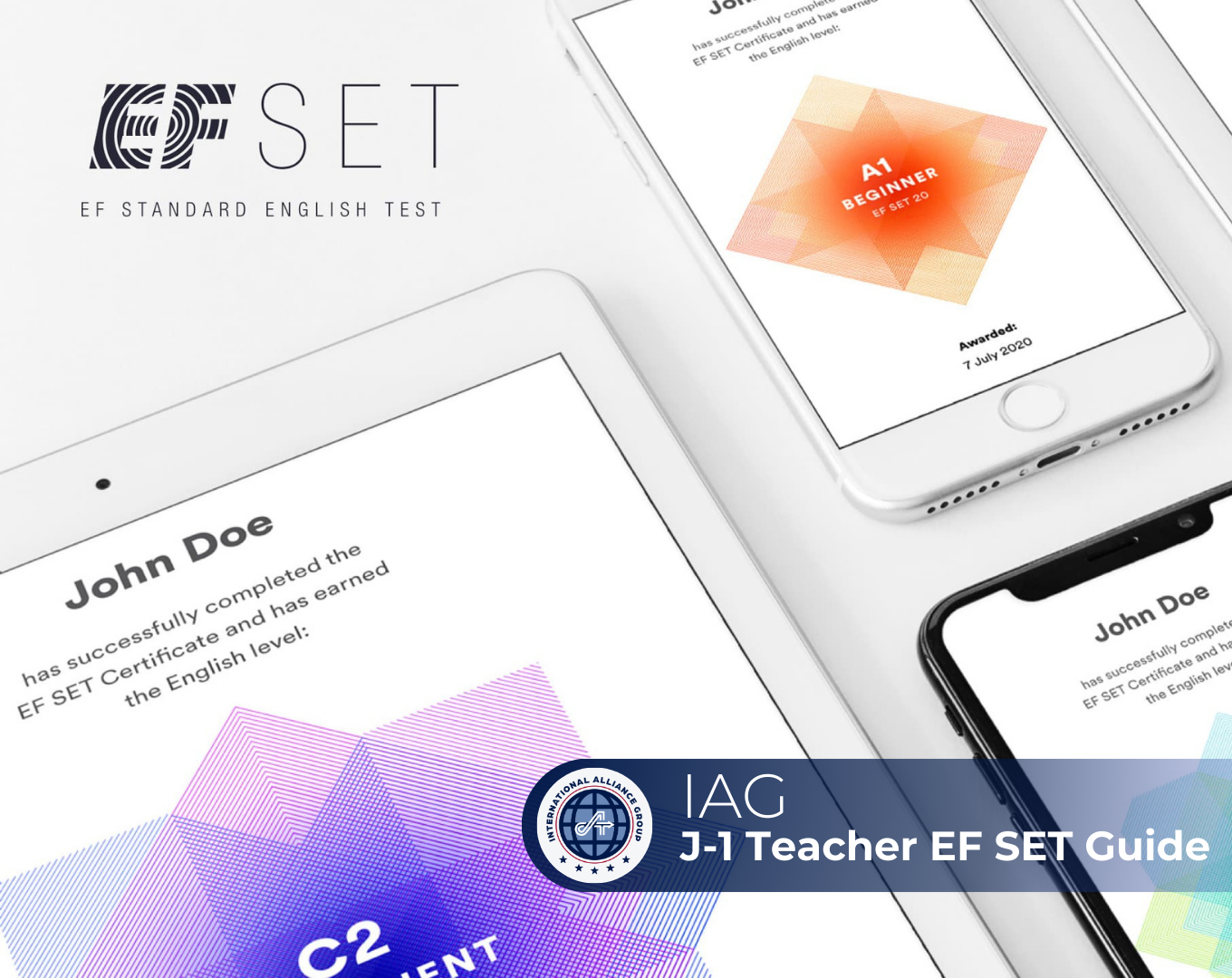
  • English Proficiency: Results from a recognized language assessment (Level B2 or higher). 
  • Foreign Credential Evaluation (FCE): An official report showing the U.S. equivalency of your studies. 
  • Professional CV in English: Highlighting your academic background and cultural interests. 
  • Valid Passport: Must be valid for at least three more years. 

If you’re interested in teaching in the USA through our cultural exchange program, you can start your application here: https://iagusa.schoolspring.com/ 

Before applying, we recommend reviewing the full process and requirements: 
https://iagusa.org/help-center/welcome-to-the-iag-teacher-program/ 

Become Part of the IAG Community 

This is the perfect window of time to complete your profile and be considered for the upcoming exchange cycle. By joining this program, you aren’t just traveling abroad—you are making a lasting impact on a global scale. 
23Mar

Spring Without Borders: How International Teachers Share the Essence of Home

As the winter chill fades and the first buds appear on the trees, a sense of transformation fills the air. March 20th marks the Spring Equinox, a universal symbol of new beginnings, hope, and growth. In the world of international education, spring is more than just a change in weather; it is a milestone in the cultural exchange journey

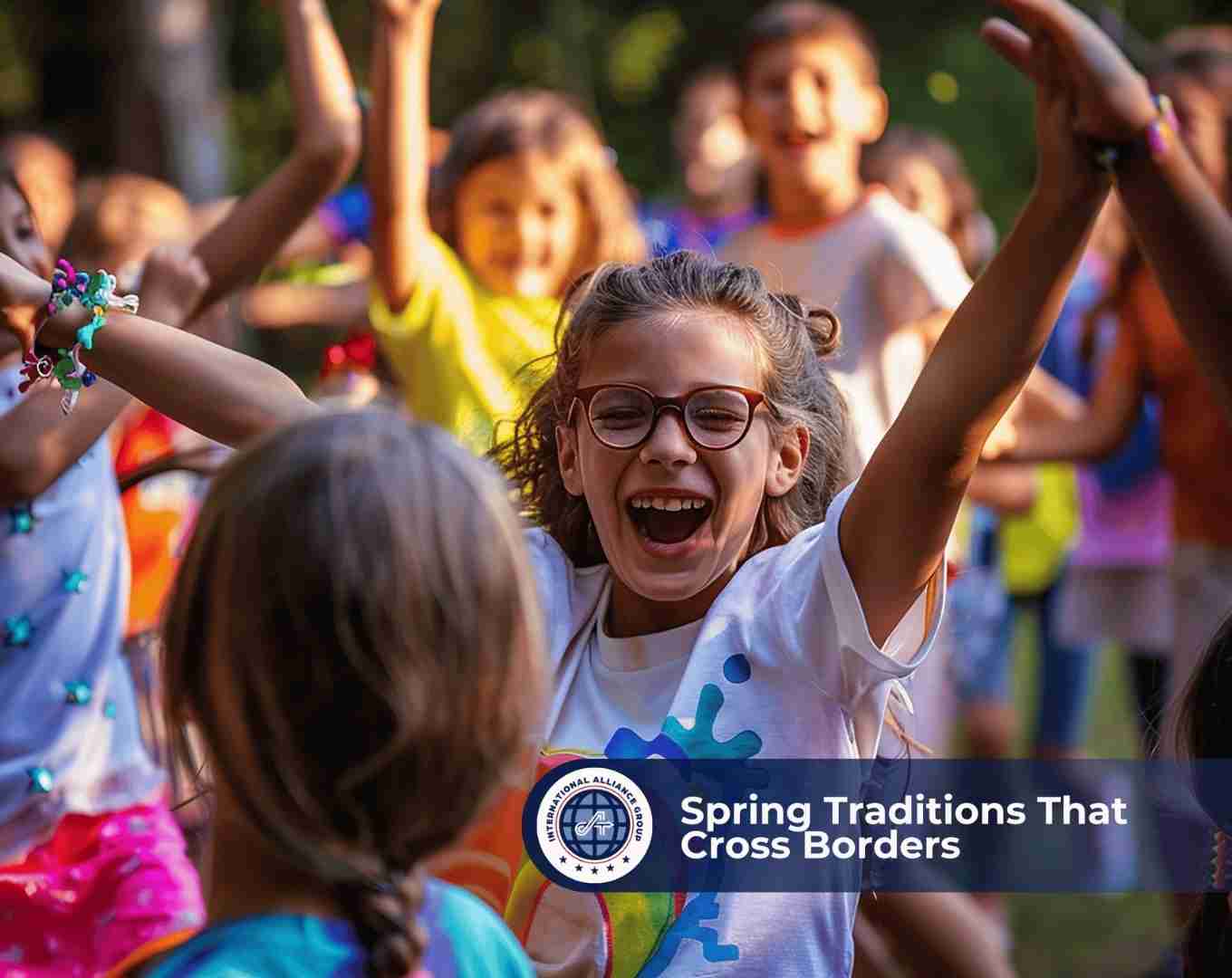
At International Alliance Group (IAG), we see this season as the perfect opportunity to turn the classroom into a vibrant “Cultural Fair.” It’s a time for J-1 Visa Program teachers to share how their home countries welcome the renewal of life, creating a bridge of understanding through the colors, sounds, and stories of spring. 

Global Traditions: From Ancient Pyramids to Flower Parades 

Every culture has a unique way of saying “hello” to the sun. When international teachers share these traditions, they aren’t just giving a history lesson; they are inviting their students to see the world through a different lens. 

  • Mexico: The Descent of the Serpent. In Mexico, the spring equinox is a spiritual and architectural marvel. Teachers often share the story of Chichén Itzá, where the ancient Mayans designed a pyramid so that, on this exact day, the sun creates a shadow that looks like a feathered serpent descending the stairs. It’s a powerful lesson in history, astronomy, and the deep connection between culture and nature. 
  • The Philippines: Panagbenga, the Season of Blooming. While the Philippines is a tropical paradise, the month of March kicks off the famous Panagbenga Festival in Baguio City. The word itself means “a season of blooming.” Teachers share the vibrant energy of floral floats and traditional dances that celebrate the resilience and beauty of the land. It’s a lesson in gratitude and the joy of community. 
  • The Southern Hemisphere: The September Memory. Teachers from countries like Argentina or Colombia bring a fascinating “reverse” perspective. While the U.S. celebrates spring now, they share memories of their Día de la Primavera in September. This contrast helps students understand the wonders of our planet’s geography and how, somewhere in the world, someone is always experiencing a “new beginning.” 

The “Exchange” Angle: Blooming Together 

Just as nature blooms in the spring, the relationship between an international teacher and their students reaches a special maturity during this season. By March, the initial “getting to know you” phase has turned into a deep, rooted connection. 

The classroom “Cultural Fair” becomes a space where students might wear traditional floral crowns, listen to folk songs about renewal, or plant seeds while learning the words for “flower” or “growth” in a new language. These activities foster a sense of global citizenship, showing students that despite our different traditions, we all share the same hope for a bright future. 

A Season to Reflect on Your Journey 

For the thousands of educators currently in the J-1 Visa Program, spring is a time to look back at how much they have grown since they first arrived. Just like a seed that was planted months ago, their impact in the U.S. school system is now in full bloom. 

At International Alliance Group, we believe that every cultural exchange is a story of renewal. We honor the teachers who bring the spirit of their spring to American classrooms, reminding us all that when we share our traditions, our understanding of the world grows more beautiful. 

16Mar

Special Education: How Cultural Exchange Redefines Inclusion 

March is Developmental Disabilities Awareness Month, a time to reflect on how we can build more inclusive communities where every individual has the opportunity to succeed. In the world of education, “inclusion” is a goal we all share, but the way we achieve it can be as diverse as the students we serve. 

At International Alliance Group (IAG), we believe that diversity in the teaching staff leads to diversity in solutions. Through the J-1 Visa Program, international special education teachers are bringing fresh, global methodologies into U.S. classrooms, proving that when it comes to supporting students with developmental disabilities, there are no borders. 

A Global Toolkit for Diverse Learners 

Every country has its own history and approach to inclusion. When an international educator arrives in a U.S. classroom, they don’t just bring a curriculum; they bring a unique pedagogical “toolkit” shaped by their home country’s best practices. 

  • Sensory and Emotional Approaches 

A teacher from South America might bring a deeply warm, sensory-focused approach to the classroom, emphasizing emotional regulation through music, rhythm, or community-based tactile activities. In the Philippines, music is more than just an art form; it is a universal language of connection. We see this come to life in the classrooms of our Filipino educators, like Manilyn, who has mastered the art of teaching through music. 

In a Special Education (SPED) setting, rhythm and melody become powerful tools for students. By integrating songs and rhythmic patterns into daily routines, these teachers help students improve their focus, memory, and emotional expression. It’s a harmonious blend of cultural tradition and specialized pedagogy that creates a “rhythm of success” for every child. 

  • Sensory Warmth and Emotional Regulation 

Teachers coming from México and South America often bring a deeply warm, sensory-focused approach to the classroom. In these cultures, the “human touch” and emotional connection are foundational to learning.  

These educators emphasize emotional regulation through community-based tactile activities. Whether it’s using specific sensory textures to calm a student or creating “learning circles” that feel like a supportive family unit, they bring a level of cariño (care and affection) that helps students feel safe enough to take risks in their learning. This focus on the “whole child” is a cornerstone of the international exchange spirit. 

  • Creative Problem Solving 

Many of our international teachers have experience working in diverse environments where resources may be limited. This has turned them into masters of “thinking outside the box.” When a traditional method doesn’t resonate with a student, an IAG teacher might reach into their experience to find a low-tech, highly personalized solution. From creating handmade manipulative tools to inventing new ways to use everyday objects for physical therapy or motor skills, their ability to adapt is a gift to the U.S. school system. They prove that with creativity and a global perspective, there are no barriers to learning. 

Innovation Through Collaboration 

The cultural exchange doesn’t just happen between the teacher and the student; it happens between colleagues. When a U.S.-based SPED team welcomes an IAG teacher, a beautiful “cross-pollination” of ideas occurs. 

U.S. teachers share their expertise in individualized education programs (IEPs) and technology, while the international teacher shares diverse perspectives on behavioral support or social integration. This exchange creates a richer, more robust environment where the ultimate winner is the student. By combining the best of both worlds, we create a specialized education plan that is truly world-class. 

Empowering the Unique Learner 

For a student with a developmental disability, having a teacher who comes from a different background can be a transformative experience. It teaches them—and the entire school community—that being “different” is a global commonality. Seeing a teacher navigate a new language or culture with success and grace serves as a powerful lesson in resilience. It shows students that their own unique way of learning and interacting with the world is not a barrier, but a different way of being part of a global family. 

At the end of the day, inclusion is about making sure every voice is heard and every potential is realized. By fostering Inclusion Without Borders, we aren’t just teaching; we are building a more empathetic world. 

In International Alliance Group, we celebrate the international educators who bring their expertise and their hearts to the SPED classroom. Your unique perspective isn’t just a bonus—it might be the very key that unlocks a student’s future. 

09Mar

Celebrating International Women’s Day in Education  

On March 8th, the world pauses to celebrate International Women’s Day, a time to honor the resilience, leadership, and transformative power of women everywhere. In the field of education, this day holds a special significance, especially for the hundreds of women who participate in the J-1 Visa Program. These educators do more than share a curriculum; they cross borders, bridge cultures, and redefine what it means to be a global leader. 

The Bravery of the Journey 

Choosing to become an international teacher is an act of profound dedication. It requires the bravery to leave one’s home, family, and familiar landscapes to embrace the unknown. At International Alliance Group (IAG), we witness this courage every day. 

These women aren’t just traveling to teach; they are pioneers of cultural exchange. By stepping into a U.S. classroom, they bring with them the richness of their heritage and the strength of their personal stories. They prove that while borders may exist on maps, the heart of a teacher knows no boundaries. 

The “Multiplier Effect”: Role Models Without Borders 

One of the most powerful aspects of having a female international educator in the classroom is what we call the “multiplier effect.” When a young student—especially a young girl—sees a woman from another part of the world leading a classroom with expertise, passion, and grace, her own horizon expands. She no longer sees the world as a distant place, but as a space full of possibilities. 

  • Representation Matters: Seeing a female teacher from México, India, or the Philippines successfully navigating a new culture and language teaches students that they, too, can be brave. 
  • Global Perspectives: These educators challenge stereotypes and provide a living example of female empowerment in a global context. 
  • Empathy in Action: By sharing their journey, these women foster mutual understanding, teaching their students that diversity is a strength to be celebrated. 

Education: The Ultimate Tool for Empowerment 

At the core of the J-1 Visa Program is the belief that education is the most powerful tool for change. We honor the women who use this tool to foster peace and cooperation between nations. These educators are not just teaching lessons from a book; they are inspiring the next generation to think beyond their own neighborhoods and to dream on a global scale. 

The impact of a female international teacher is a ripple effect. It starts with a single lesson, grows into a student’s newfound curiosity about the world, and eventually blossoms into a more inclusive and connected society. 

Want to discover the real-life stories behind this impact? 

We invite you to read our previous post: “Voices of IAG: Stories of Courage and Success in the Classroom,” where educators like Isaura from Nicaragua and Jeanie Mae Hernal  from the Philippines share how they’ve seen their students gain confidence and reach for new horizons through the power of cultural exchange. 

Read storie: IAG Teacher Honored: From Nicaragua to Award-Winning Educator

Read storie: The “Classroom Bayanihan” Model: Teaching Collaboration Through Culture 

Read storie: From the Philippines to Detroit: Bridging Cultures Through Science 

At International Alliance Group, we are immensely proud of the women who make our mission possible. To the mentors, the explorers, and the ambassadors of culture: thank you for your dedication. By sharing your global voices, you are creating a local impact that will resonate for years to come. You are not just teaching the future; you are empowering it. 


02Mar

Bringing World Cultures to Life Through Adapted Reading 

Every March 2nd, classrooms across the United States transform into a sea of red-and-white striped hats to celebrate Read Across America Day. It is a day dedicated to the joy of literacy and the magic of a good book. However, for international educators participating in the J-1 Visa Program with International Alliance Group (IAG), this day represents something even deeper: a chance to turn the classroom into a global stage. 

The Heart of the Exchange: Folklore as a Bridge 

While traditional celebrations often focus on local classics, international teachers bring a unique “Exchange” angle to the table. Imagine a classroom in the U.S. where, instead of a standard story, students are transported to the mountains of Argentina through the legend of the Yerba Mate, or to the vibrant landscapes of Mexico through ancient folk tales. 

These educators aren’t just reading words on a page; they are sharing their world. By bringing their home country’s legends to life, they act as cultural ambassadors, fostering a sense of wonder and global curiosity in their students. This is the true spirit of the cultural exchange—breaking down geographical barriers through the power of narrative. 

Making Literacy Universal Through Adapted Reading 

A hallmark of a great educator is the ability to ensure that every child, regardless of their learning style or ability, can access the magic of a story. International teachers at IAG excel in adapted reading, using creative methods to make complex cultural tales accessible to all. 

To bring these “Stories Without Borders” to life, teachers often use: 

  • Sensory Tools: Incorporating the sounds of traditional music, the scent of spices, or the texture of ethnic fabrics to ground the story in reality. 
  • Visual Symbols and Realia: Using physical objects and icons to help students with different processing needs follow the plot. 
  • Simplified, Rhythmic Language: Destiling deep cultural concepts into clear, engaging language that resonates with young learners and English language learners alike. 

By adapting these stories, teachers demonstrate that literacy is a universal right. They ensure that the message of the story—and the culture behind it—is felt by every heart in the room. 

The Lasting Influence on Young Minds 

The presence of an international teacher changes the way a child sees the world. When a student listens to a story from a different continent, told by someone who calls that place home, empathy grows. They begin to see “different” as “fascinating” rather than “foreign.” 

These educators foster global citizenship from an early age. They show their students that while our languages and traditions may vary, the human experience—the love for a hero, the lesson of a fable, and the joy of a shared laugh—is exactly the same everywhere. 

At International Alliance Group, we believe that every story shared is a seed of understanding planted for the future. As we celebrate Read Across America, we honor the international teachers who go beyond the pages to share their essence, their history, and their passion. When we adapt a story, we aren’t just teaching children how to read; we are teaching them how to connect. This bridge between cultures is the most important story we can ever tell.