

05Apr

Key cultural aspects to consider when Teaching in the U.S.

If you’re an international teacher who has decided to take the exciting step of teaching in the United States, you may face several cultural challenges in the classroom. Differences in pedagogical expectations, student interactions, and behavioral norms can vary significantly from what you are accustomed to in your home country. In this blog, I’ll share some key cultural aspects that international teachers might encounter and offer tips on how to adapt and succeed in U.S. classrooms. 

1. Direct and Open Communication Style 

One of the most noticeable differences in U.S. classrooms is the communication style. Students and parents in the U.S. tend to be very open and direct in their interactions. Unlike some cultures where respect and formality are paramount, students in the U.S. may feel comfortable asking questions, expressing opinions, and even providing feedback to teachers. 

Tips for adapting: 

  • Encourage open communication. Create a classroom environment where students feel safe and comfortable to share their ideas and ask questions without fear of judgment. 
  • Listen actively. Show that you value their input, even if you don’t always agree with them. 
  • Be direct but respectful. Don’t hesitate to be clear and upfront about your expectations and explanations. Students appreciate transparency and clarity. 

2. Active Participation and Expectations of Independence 

In U.S. schools, there is a strong emphasis on active student participation in their learning process. Education in the U.S. focuses heavily on developing critical thinking, problem-solving, and collaborative skills. It is common to see group discussions, peer-to-peer learning, and a greater degree of student autonomy in the classroom. 

Tips for adapting: 

  • Incorporate interactive learning. Encourage group work, class discussions, and collaborative projects. Not only does this approach help with learning retention, but it also promotes social and communication skills. 
  • Foster independence. Students in the U.S. are expected to take more initiative in their learning. Provide tasks that challenge them to think critically, research, and make decisions on their own. 

3. Cultural Diversity and Inclusivity 

The U.S. is a highly diverse country, and this diversity is reflected in the classroom. Students come from a wide range of cultural, ethnic, and linguistic backgrounds. It’s important to understand that the experiences and perspectives of students may differ significantly from your own. 

Tips for adapting: 

  • Be aware of cultural differences. Take time to understand the traditions and values that may influence student behavior. Approach students with respect and avoid making assumptions based on stereotypes. 
  • Promote diversity in your teaching. Use educational materials that reflect a variety of cultures and perspectives. Celebrating diverse traditions and viewpoints within the classroom fosters a more inclusive environment. 
  • Support multilingual students. If you have students who speak languages other than English, be patient and offer additional resources or assistance to help them succeed. 

4. Parental Involvement in Education 

Parents in the U.S. are often very involved in their children’s education. There is a strong expectation for parents to attend school events, participate in meetings, and maintain regular communication with teachers. This partnership between home and school is considered crucial to student success. 

Tips for adapting: 

  • Encourage parental involvement. Be proactive in communicating with parents about their child’s progress, and invite them to participate in school activities or meetings. 
  • Be receptive to feedback. U.S. parents are often vocal about their children’s education and will likely share concerns or suggestions. Listen to their feedback and work collaboratively to address any challenges. 

5. Teacher Authority and Mutual Respect 

While students in the U.S. are more likely to be open and direct in their communication, they are also expected to respect the authority of the teacher. However, this respect is not purely hierarchical. Instead, it’s based on mutual respect, where teachers are seen as guides and facilitators of learning. 

Tips for adapting: 

  • Set clear expectations from the start. U.S. students value structure and clarity. Establish your classroom rules and expectations early and be consistent in enforcing them. 
  • Build positive relationships. Get to know your students, show interest in their well-being, and foster a supportive, respectful classroom atmosphere. 
  • Be firm but flexible. Students appreciate teachers who are fair and consistent but also understanding and adaptable when unique situations arise. 

6. Balance Between School and Personal Life 

In contrast to some cultures where schoolwork might dominate a student’s life, in the U.S., there is a strong emphasis on maintaining a balance between academics and personal time. Students are encouraged to participate in extracurricular activities such as sports, arts, and community events, and personal time is highly valued. 

Tips for adapting: 

  • Promote a well-rounded lifestyle. Encourage students to engage in activities outside the classroom that help them grow both academically and personally. 
  • Respect personal time. Recognize that students and their families place great importance on having time to recharge. Be mindful of the amount of homework or extracurricular pressure you place on students. 

Adapting to a new cultural environment can be challenging, but it is also a rewarding opportunity for both personal and professional growth. As an international teacher, you bring a unique perspective that can enrich the classroom while learning how to navigate U.S. cultural norms and expectations. The key is to remain open, flexible, and build positive relationships with both students and their families. 

In the end, teaching in the U.S. is a chance to make a meaningful impact on students’ lives while embarking on an educational adventure full of challenges and rewards. 

This blog was written by Global Workforce Development, powered by IAG, an organization dedicated to creating international job opportunities for professionals. 

03Apr

Building Bridges: Effective Solutions for Schools with International Teachers

As a middle school math teacher from México now working in the U.S., I’ve seen the challenges schools face up close. Whether it’s a growing need for more inclusive practices, or the increasing diversity of student populations, schools across the country are navigating complex issues. 

My experience within both the Mexican and American educational systems has given me a unique perspective on how international teachers can help schools overcome these challenges and create thriving learning environments.

1. Infusing Global Expertise into Core Subjects

Schools are always seeking to enhance learning in foundational areas like math, science, and bilingual education. International teachers contribute to this goal by bringing a wealth of global experience and specialized knowledge.

When I joined my district, I was excited to share my years of experience and passion for teaching with the middle school math program. International teachers arrive ready to meet high standards, bringing deep subject-matter expertise and a dedication to fostering a dynamic learning environment for their students.

2. Supporting Diverse Student Populations 

American classrooms are more diverse than ever, with students from a wide range of cultural, linguistic, and socioeconomic backgrounds. While this diversity enriches learning, it also creates new challenges for schools. 

As a Spanish-speaking teacher, I’ve been able to connect with students and families in ways that others might not be able to. My presence in the classroom not only helps Spanish-speaking students feel seen and understood but also fosters a greater sense of inclusion for all students. 

How International Teachers Help: 

  • Language support: Bridging gaps for students learning English and helping them succeed academically. 
  • Cultural connections: Creating a welcoming environment for students from immigrant families. 
  • Representation: Inspiring students by showing them that success is possible regardless of where they come from. 

3. Addressing Gaps in Family Engagement 

For schools, building strong relationships with families is critical to student success. Yet, language and cultural barriers can make it difficult for some parents to feel fully involved in their children’s education. 

As an international teacher, I’ve been able to act as a bridge between families and schools. Whether it’s translating during parent-teacher conferences or participating in district outreach programs, I’ve helped families feel more connected and empowered to support their children’s learning. 

Impact at the District Level: 

  • Improved communication: Families are better informed about their children’s progress and school expectations. 
  • Increased trust: Parents feel valued and understood, strengthening the school-community relationship. 
  • Greater participation: Families are more likely to attend events and engage with school programs. 

4. Navigating Curriculum and Standards 

Adapting to the U.S. educational system can be challenging for new teachers, but international educators bring a willingness to learn and adapt. When I first arrived, I worked closely with colleagues to align my teaching practices with state standards and district expectations. 

This adaptability is a hallmark of international teachers—we’re used to navigating change and finding innovative ways to meet curriculum goals. By combining our unique perspectives with local requirements, we bring fresh ideas to the classroom while staying aligned with district priorities. 

The Benefit to Schools: 

  • Creative solutions: International teachers often introduce new teaching strategies and problem-solving approaches. 
  • Collaborative mindset: We’re eager to work with colleagues and share best practices. 

5. Building a More Inclusive School Culture 

One of the greatest challenges schools face is creating a culture where every student feels valued and supported. International teachers play a key role in fostering inclusivity and global awareness. 

In my classroom, I’ve incorporated lessons that highlight the universal nature of math, connecting it to cultural examples from around the world. These lessons not only engage students but also encourage them to appreciate the diversity within their own communities. 

Long-Term Impact: 

  • Global perspective: Students gain a deeper understanding of the world beyond their local environment. 
  • Inclusive practices: Schools become places where diversity is celebrated and respected. 

Partnering with International Teacher Recruitment Programs 

To effectively address these challenges, school districts can partner with companies that specialize in bringing international teachers to the U.S. These organizations handle the complexities of visas, certifications, and cultural orientation, making it easier for schools to welcome talented educators from around the world. 

A Win-Win Solution: 

  • For districts: Access to a pool of highly qualified, motivated teachers ready to meet their needs. 
  • For teachers: Opportunities to share their expertise and make a lasting impact in a new cultural setting. 

Schools today face significant challenges, but they also have incredible opportunities to innovate and grow. As an international teacher, I’ve seen how my presence in the classroom—and in the district—can make a real difference. By bringing in teachers from around the world, schools can not only address immediate needs but also create richer, more inclusive learning environments for their students. 

Let’s work together to overcome these challenges and create schools where every student can succeed. 

This blog was written by Global Workforce Development, powered by IAG, an organization dedicated to creating international job opportunities for professionals. 

02Apr

How International Teachers Bring Lasting Value to Your District 

Building a stable and dynamic faculty is a top priority for school districts across the United States. When exploring a cultural exchange partnership with international teachers, district leaders naturally consider key questions: How can we ensure these educators feel integrated and supported for long-term success? What is the pathway to a fruitful collaboration? How will their global perspectives enhance our U.S. education system?

At International Alliance Group, we share these goals and understand the importance of building sustainable, enriching relationships. International teachers, when welcomed and supported effectively, bring stability, fresh perspectives, and a long-term commitment that benefits schools and districts alike.

Here’s how districts can build lasting and impactful partnerships with international educators.

1. Retention: International Teachers Are Dedicated to Staying 

One of the biggest concerns for districts is turnover. The time and resources invested in hiring can feel daunting, but international teachers are uniquely positioned to provide the stability districts need. 

Why International Teachers Stay 

      • Commitment to Opportunity: Teaching in the U.S. is a career milestone that many international teachers work tirelessly to achieve. They approach the role with a deep sense of responsibility and dedication. 

        • Visa Agreements: Many international teacher programs include multi-year contracts, typically ranging from three to five years, ensuring a reliable presence in the classroom. 

          • Personal Motivation: For international educators, stability is often a priority, both professionally and personally, as they integrate into their communities. 

        Tip for Success 

        Partnering with International Alliance Group  that carefully vet candidates for long-term goals ensures districts hire educators who are fully committed to building lasting careers. 

        2. International Teachers Are Classroom-Ready 

        Another frequent concern is whether international teachers are fully prepared to meet the demands of the U.S. education system. Rest assured, these educators undergo extensive preparation to ensure they’re ready for success. 

        How They Are Prepared 

            • Pre-Arrival Training: IAG provides cultural orientation and professional development tailored to U.S. educational standards. 

              • Strong Qualifications: International teachers bring advanced degrees and significant teaching experience in their subject areas. 

                • Adaptability: Moving to a new country requires resilience and problem-solving skills, traits that translate directly into classroom success. 

              By the time they enter the classroom, international teachers are equipped with the tools and mindset necessary to excel in their roles. 

              4. Supportive Environments: The Key to Retention 

              While international teachers come prepared to succeed, districts play a crucial role in helping them integrate and thrive. Support systems are essential for fostering long-term commitment. 

              Best Practices for Districts 

                  • Mentorship Programs: Pair international teachers with experienced colleagues to provide guidance and support during the transition. 

                    • Open Communication: Regular check-ins with administrators create opportunities to address challenges and celebrate achievements. 

                      • Recognition: Acknowledging the contributions of international educators fosters a sense of belonging and loyalty. 

                    When districts invest in creating welcoming, inclusive environments, international teachers are more likely to feel valued and remain committed for the long term. 

                    5. Long-Term Benefits for Districts

                     These educators bring consistency, innovation, and global perspectives that enrich school communities for years to come: 

                        • Consistency: International teachers provide continuity in positions that are often hard to staff, reducing turnover-related disruptions. 

                          • Enriched Curriculum: Their diverse backgrounds and experiences bring fresh ideas that inspire students and colleagues alike. 

                            • Community Impact: Many international educators develop strong ties to their schools and local neighborhoods, creating a ripple effect of cultural exchange and collaboration. 

                          A Future of Partnership and Growth 

                          Concerns about the longevity and preparedness of international teachers are understandable, but with the right strategies, districts can turn these concerns into opportunities. By partnering with IAG, planning proactively, and fostering supportive environments, schools can build lasting relationships with international educators. 

                          At International Alliance Group, we are committed to connecting districts with highly qualified international teachers who bring stability, passion, and innovation to the classroom. Together, we can create partnerships that benefit schools, students, and communities for years to come. 

                          Let’s build the foundation for long-term success—one teacher, one classroom, one district at a time. Register here and partnet with us today!


                          This blog was written by Global Workforce Development, powered by IAG, an organization dedicated to creating international job opportunities for professionals. 
                          01Apr

                          From Oaxaca to Texas: IAG  International Teacher experience 

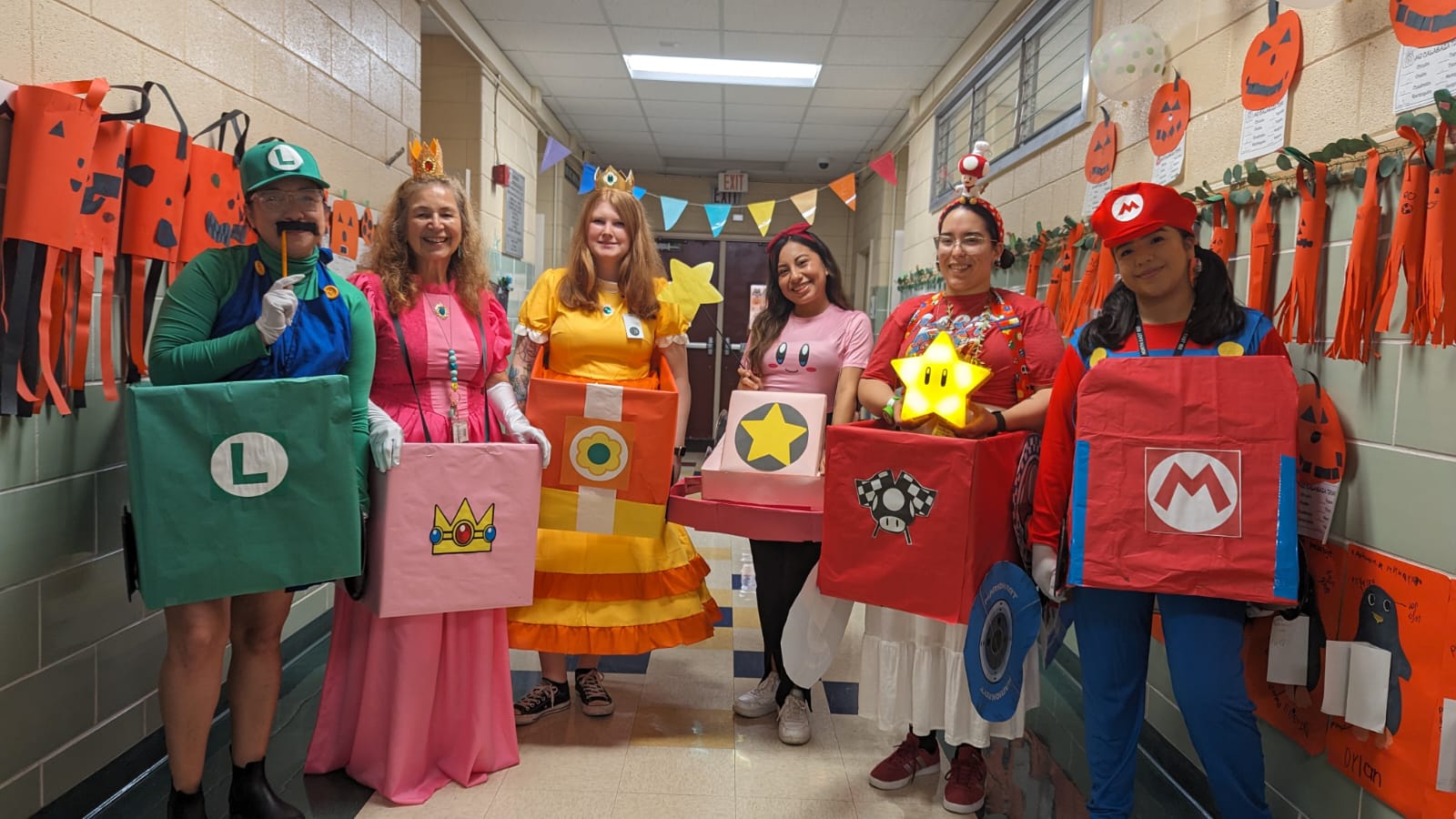
                          Discover how Ilse Torres, an International Teacher from Oaxaca, Mexico, is thriving at Ridgeview Elementary School in San Antonio, Texas. 

                          What motivated you to teach in the United States, and what aspects of this experience have you found most valuable? 

                          I decided to teach in the United States first of all because it’s a great opportunity for your professional development, you learn new models, new methods, and you can take all this experience to your home country. Also because of the exposure to the US culture and society, you make friends, a family here and finally I’d say that I love that your salary is based on your educational level and years of teaching experience. 

                          What aspects of your professional development have you found most rewarding during your time teaching in the US? 

                          Living and working in San Antonio has provided me with a rich cultural experience. I’ve had the pleasure of immersing myself in American culture and building a second family here. This cultural exchange has broadened my perspective and enriched my life in ways I never imagined. 

                          Ilse’s story is a testament to the mutually beneficial relationship between international teachers and U.S. school districts. With IAG’s support, educators like Ilse thrive, bringing valuable skills and cultural perspectives to American classrooms, while districts gain access to highly qualified professionals. 

                          If you are a dual language teacher looking for professional growth and a rewarding experience, we invite you to explore the opportunities available here.

                          This blog was written by Global Workforce Development, powered by IAG, an organization dedicated to creating international job opportunities for professionals.