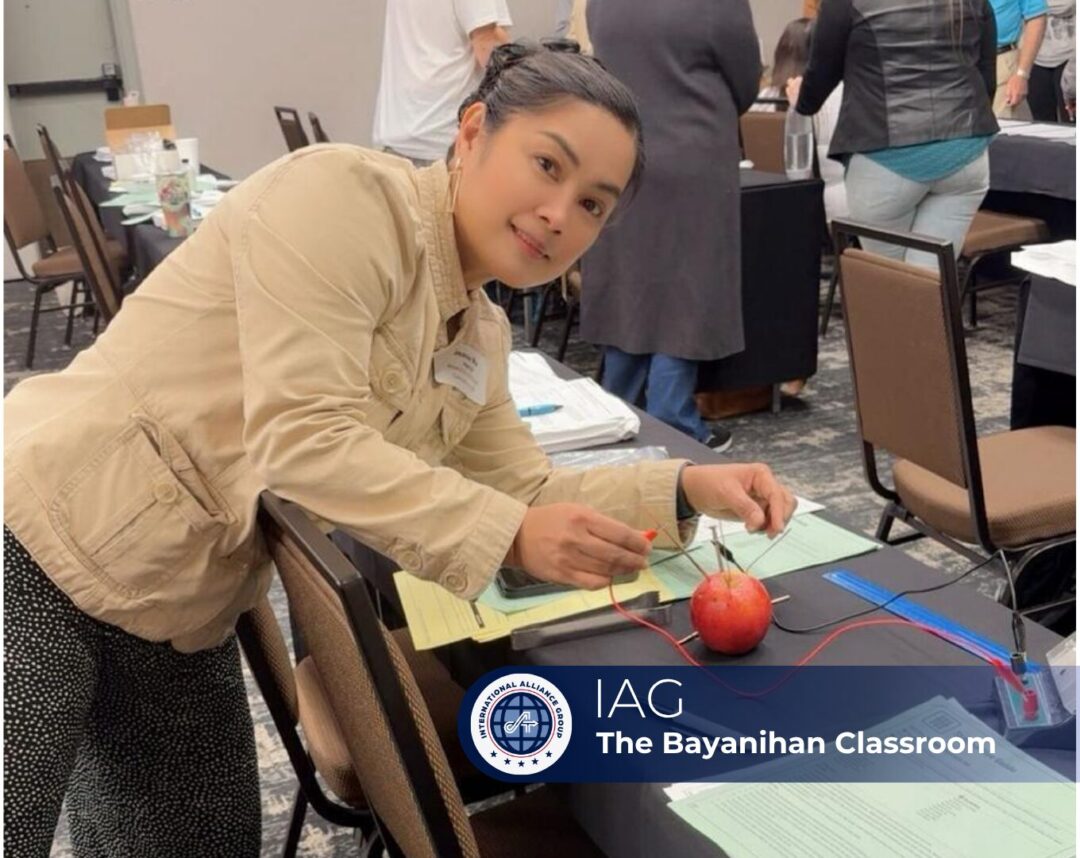
There is a moment every educator lives for — the instant when a student who has been sitting in the back of the classroom, arms crossed and eyes elsewhere, suddenly leans forward. For the students of Adams 14 School District in Colorado, that moment came when Jeanie Mae Hernal walked through the door.
Jeanie arrived from the Philippines through IAG’s J-1 Cultural Exchange Program carrying 8 years of teaching experience, a background in Chemical Engineering, and a Master’s in Education. But what she brought that no degree could certify was something far more rare: a cultural lens that would permanently change how her students saw themselves, each other, and the world around them.
A Concept That Changed Everything
Drawing from a deeply rooted Filipino value called Bayanihan — the spirit of communal unity, where everyone contributes to a shared goal — Jeanie redesigned how her classroom functioned from the ground up.
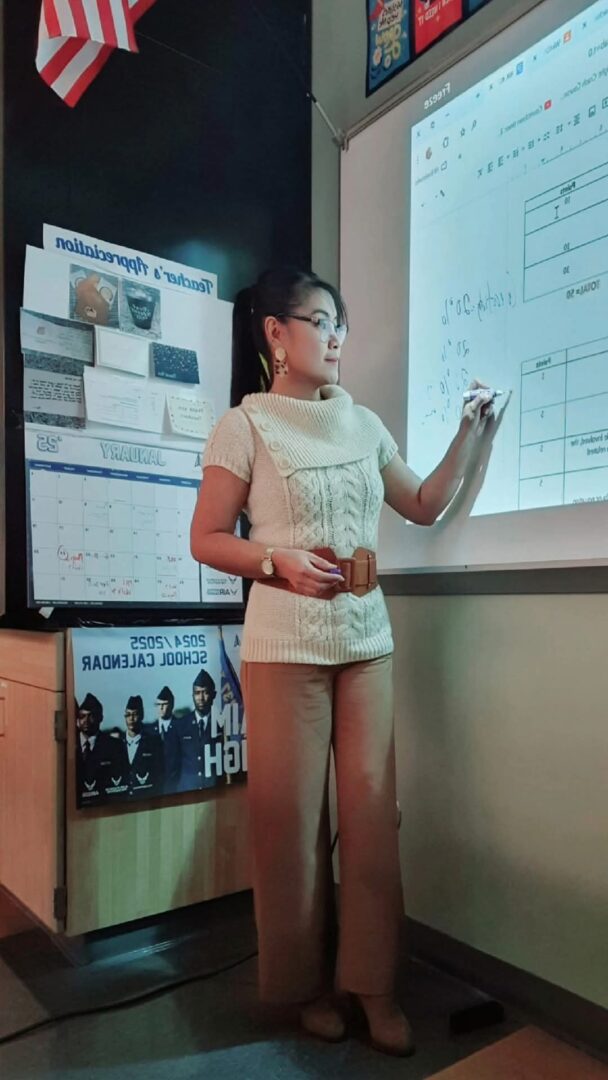
Rather than traditional group work where one student tends to carry the others, she built what she calls the Classroom Bayanihan Model: complex challenges where every student holds a specific, non-negotiable role. A Leader. A Time-keeper. A Devil’s Advocate. A Presenter. No one could coast. No one could hide.
The results were almost immediate.
“The room filled with this productive, noisy energy of students debating solutions, drawing diagrams on whiteboards, and teaching each other,” Jeanie recalls. “I remember thinking — this is exactly what learning is supposed to sound like.”
What Changed in the Students
The transformation went far beyond test scores, though those improved too. What Jeanie’s students gained was something that will serve them long after they leave her classroom.
They stopped being afraid of being wrong. In a culture that often treats mistakes as failures, Jeanie modeled and celebrated the process of getting things wrong, adjusting, and trying again — a core value in Filipino education that her students had never been explicitly taught.
They learned to rely on each other. Students who had previously worked in isolation discovered that their peers were resources, not competition. The classroom dynamic shifted from individual performance to collective problem-solving.
They connected their education to the real world. By designing lessons around sports scenarios, gamified challenges, and real-life physics applications, Jeanie made her students feel that what they were learning actually mattered outside of school. Students who had previously been written off as disengaged suddenly began asking questions that went beyond the curriculum.
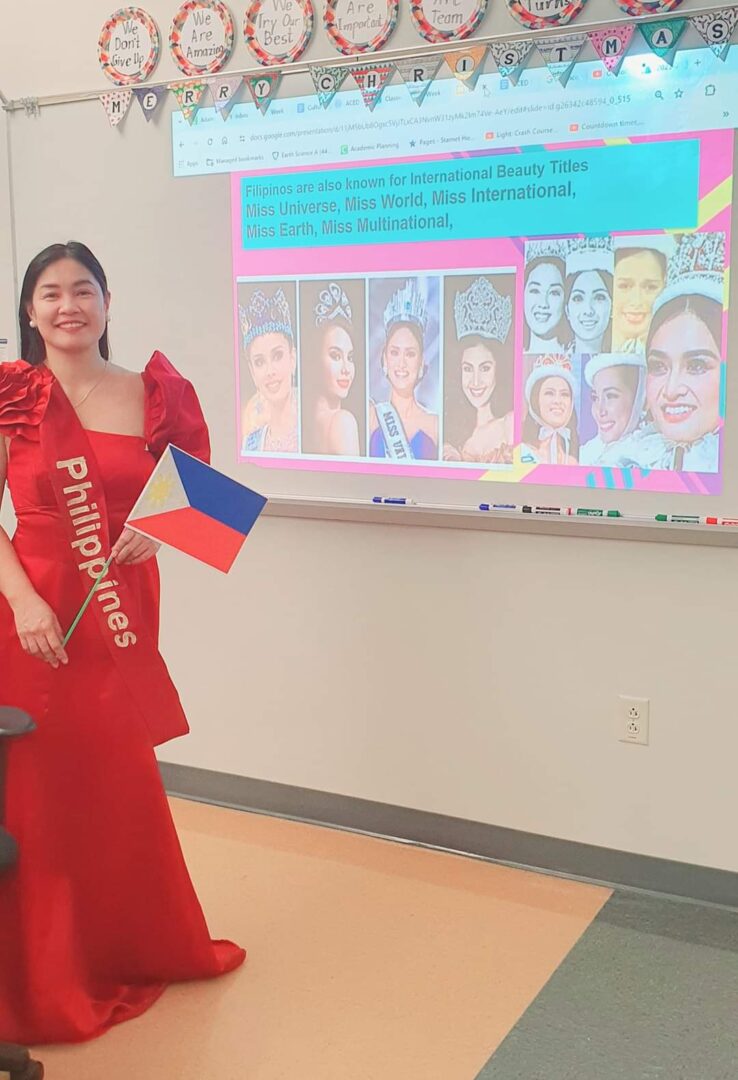
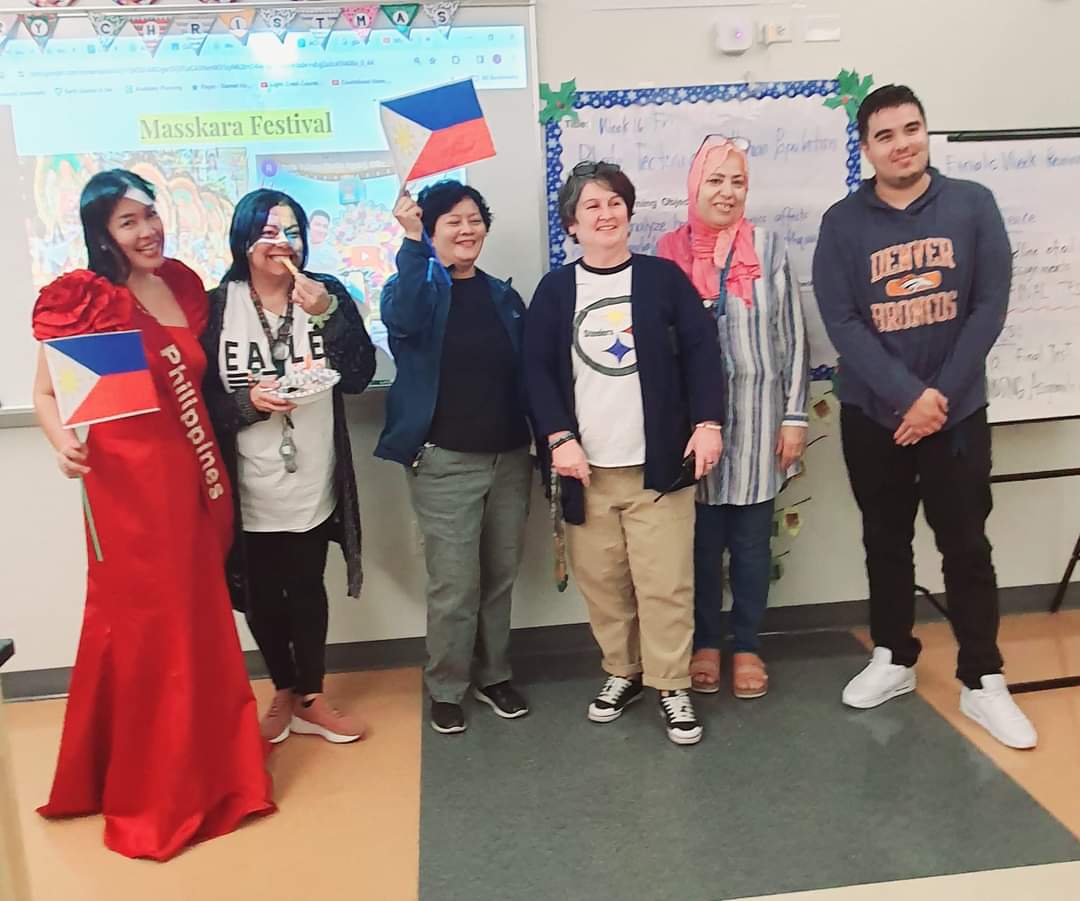
They became globally curious. Perhaps most remarkably, Jeanie’s openness about her Filipino heritage — sharing values like pag-aaruga (nurturing) and pakikisama (getting along), bringing traditional foods to staff meetings, weaving cultural context into her lessons — sparked something unexpected in her students. They began asking questions like “How do they solve this problem in other countries?” A question that, a semester earlier, would have been unthinkable from the same group.
Recognized Beyond the Classroom
The impact of Jeanie’s approach did not go unnoticed. She was recognized as a Pioneer Teacher in the ACED Academy and went on to present at the National Science Teacher Conference in Denver — a remarkable achievement for any educator, let alone one navigating a new country, a new school culture, and a new educational system simultaneously.
Her colleagues and administrators reached for the same words when describing her: unstoppable, passionate, an inspiration. Not because she followed the existing playbook, but because she rewrote it.
What This Means for School Districts
Jeanie’s story is not an isolated case. It is a window into what happens when a school district opens its community to the J-1 Cultural Exchange Program and welcomes an international educator whose background, perspective, and teaching philosophy are genuinely different from what already exists in the building.
The students who once sat in the back of a Colorado classroom with their arms crossed are now resilient, collaborative, globally aware young people. Not because someone fixed them — but because someone finally saw them differently.
That is the real impact of cultural exchange in education. And it starts with one teacher walking through the door.
Is your school district ready to experience this kind of transformation? At IAG, we connect passionate, experienced international educators with school communities across the United States through the J-1 Cultural Exchange Program.