Picture this: a fifth-grade classroom in San Antonio, Texas. It is a Tuesday morning, and the teacher is writing a math problem on the board. But instead of the usual abstract numbers, the problem reads:
“If a family needs to make 4 dozen tamales for a holiday celebration, and each batch requires ¾ of a cup of masa, how much masa do they need in total?”
The room, which moments ago was quietly restless, is now completely alive. Students are sketching tamales in their notebooks. A girl in the third row raises her hand for the first time all week. A boy who rarely speaks leans over to help his classmate. The math hasn’t changed — but everything around it has.
This is what happens when a Mexican educator brings their culture into the classroom. And it happens more often than most people realize.
For years, the conversation around student engagement has focused on technology, curriculum design, and classroom management. But one of the most powerful engagement tools available to any school district is far simpler and far more human: cultural connection.
When students encounter a concept through something they can taste, celebrate, or recognize from their own lives — or feel genuinely curious about because it is unlike anything they have seen before — their brains engage differently. The material stops being abstract. It becomes real.
Mexican educators who participate in IAG’s J-1 Cultural Exchange Program bring with them a rich, layered cultural toolkit that naturally lends itself to this kind of teaching. Not as a novelty or a one-time activity, but as a consistent, integrated approach to making learning stick.
Inside the Classroom: How It Actually Works
Mathematics through the kitchen
Mexican culinary tradition is, at its core, an exercise in precision. Ratios, fractions, proportions, unit conversions — all of it lives inside a recipe for mole, a batch of agua fresca, or a tray of pan dulce. Mexican educators instinctively reach for these references because they are part of their daily language.
In classrooms where this approach is used, students who previously struggled with fractions begin to see them differently. The numbers are no longer floating on a page — they are connected to something warm, familiar, and real. For Latino students, it is a moment of recognition. For non-Latino students, it is a doorway into a world they did not know existed.
History and civics through Día de Muertos
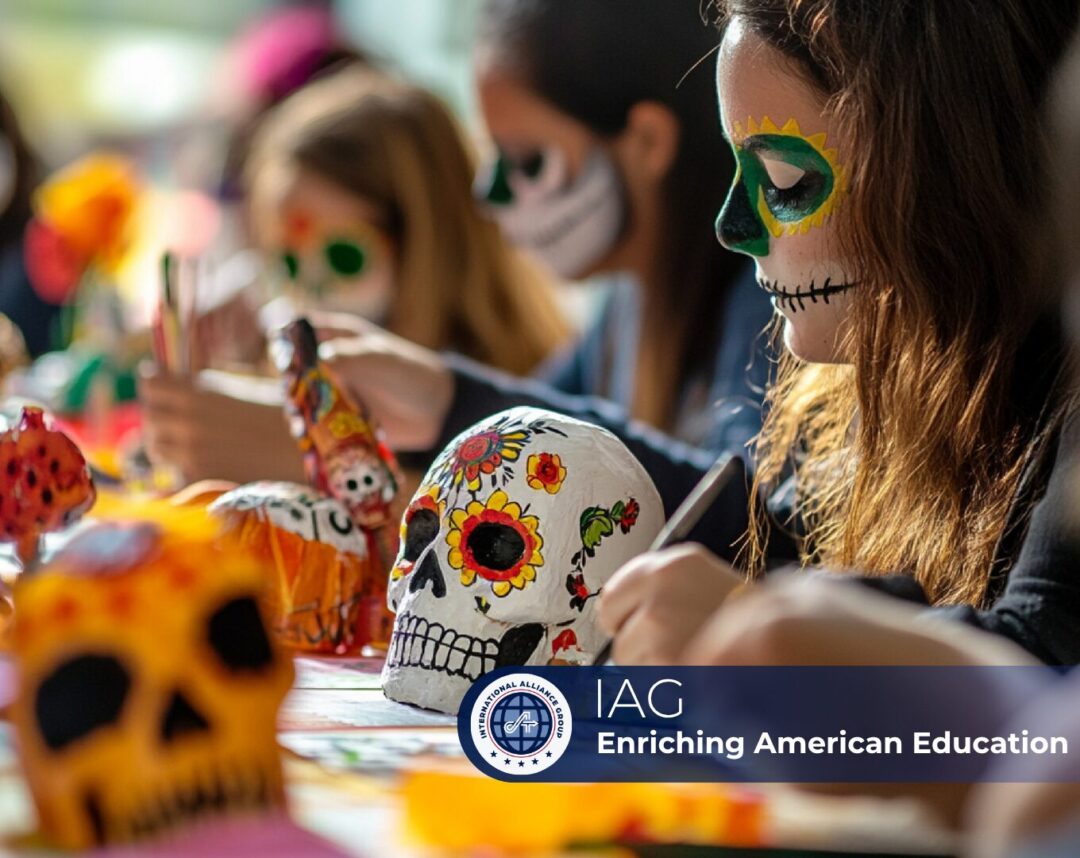
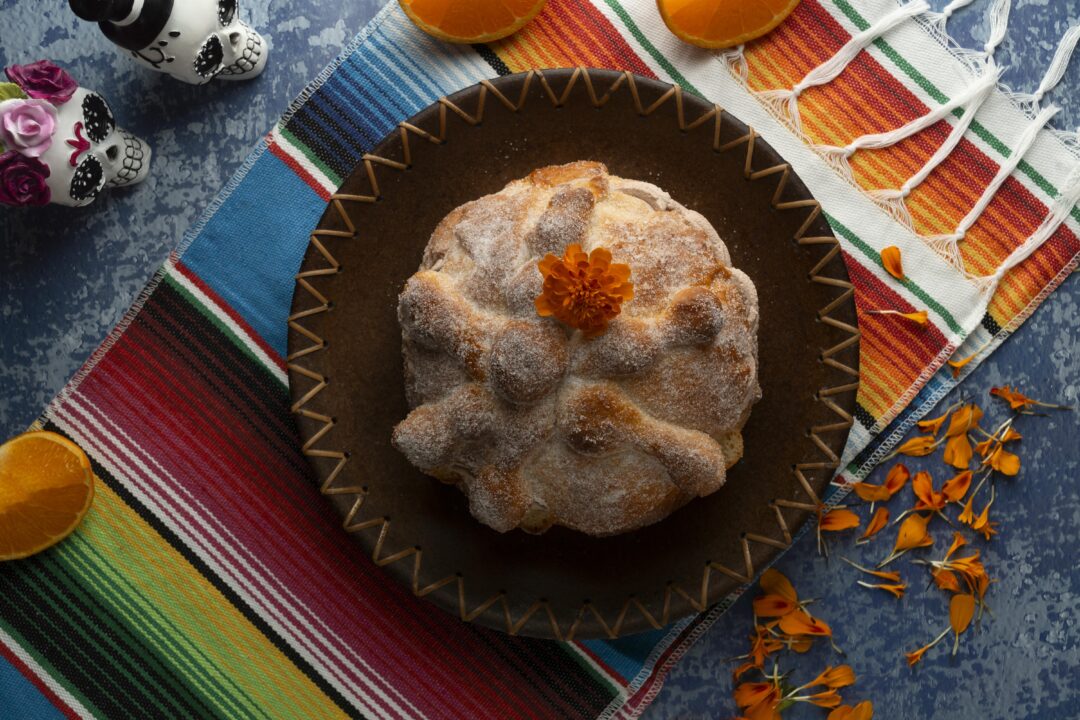
Few cultural traditions spark more genuine curiosity in American students than Día de Muertos. When a Mexican educator explains the meaning behind the ofrenda, the marigolds, the photographs of loved ones, and the belief that the boundary between the living and the dead dissolves for two days each year, something shifts in the room.
Students begin asking questions that go far beyond the lesson plan. What do other cultures believe about death? How do different communities grieve? Why do some families celebrate ancestors while others don’t talk about them at all?
These are not small questions. They are the foundation of critical thinking, empathy, and civic awareness — skills that every school district in the country is actively trying to develop in its students.
Science through tradition and the natural world
Long before modern astronomy, the civilizations of ancient Mexico were mapping the stars, predicting eclipses, and building calendars of extraordinary precision. When a Mexican educator brings this history into a science class, it does two things simultaneously: it teaches the content, and it expands the student’s understanding of where knowledge comes from.
The same principle applies to topics like agriculture, ecology, and biology. The traditional practice of milpa farming — growing corn, beans, and squash together in a system that has sustained communities for thousands of years — is a living lesson in symbiosis, soil health, and sustainable ecosystems. These are concepts that appear in science standards across the country, and Mexican educators can teach them with a depth and authenticity that no textbook can replicate.
Language and literacy through storytelling
Mexican oral tradition is extraordinarily rich. Legends, dichos, folk tales, and the kind of storytelling that gets passed from grandparents to grandchildren around a table — all of it carries language, structure, metaphor, and meaning. Mexican educators often weave this material into reading and writing lessons, giving students access to narratives that feel different from what they typically encounter.
For struggling readers, a story that feels genuinely new — one that doesn’t follow the predictable arc they have seen a hundred times — can be the spark that makes them want to turn the page.
When a Classroom Becomes a Window to the World
One of the most remarkable outcomes of culturally responsive teaching is what it does for students who have no personal connection to the culture being shared.
When a child who grew up in rural Ohio encounters Día de Muertos for the first time through a teacher who lived it — not through a Wikipedia article or a worksheet, but through a human being who can answer every question with personal experience — something opens up in that child.
They begin to understand, perhaps for the first time, that the world is larger and more complex than their immediate experience. That there are other ways of celebrating, grieving, cooking, counting, and understanding the universe. That their classmate who brings a different lunch, speaks a different language at home, or observes different holidays is not foreign — they are fascinating.
This is global citizenship being built in real time, inside an ordinary classroom, through the presence of one teacher.
Why This Matters for School Districts
The benefits of culturally responsive instruction are well documented. Students in classrooms where their cultural background — or the cultural backgrounds of their peers — is actively incorporated into learning show higher levels of engagement, stronger academic performance, and greater social-emotional development.
But the impact goes beyond data. School districts that welcome international educators through cultural exchange programs are investing in something that cannot be purchased through a curriculum package or a professional development workshop: genuine human diversity at the front of the classroom.
A Mexican educator does not just teach Mexican culture. They teach American students how to be curious, how to connect, and how to find meaning in a world that is far bigger than the one they were born into.
And sometimes, it all starts with a math problem about tamales.
Bring Cultural Exchange to Your School District
At IAG, we connect experienced, passionate international educators with school communities across the United States through the J-1 Cultural Exchange Program. If your district is ready to experience the impact of genuine cultural exchange in the classroom, we would love to connect.